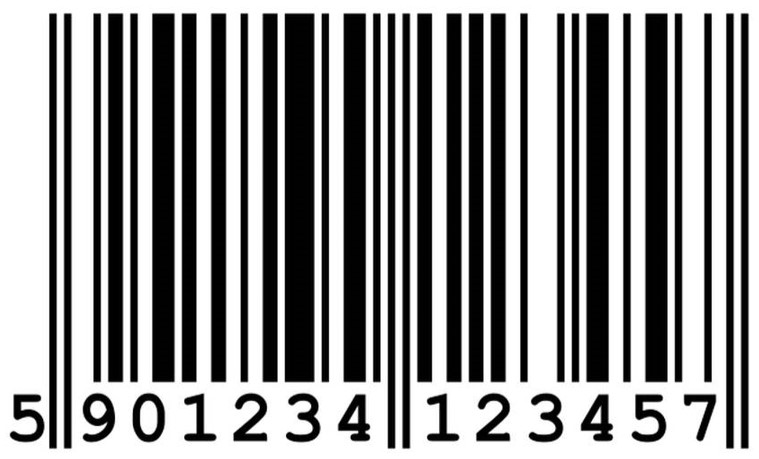
In the world of payment systems, barcode numbers are used in many areas (credit card statements, courier card distribution, etc.). The barcode number discussed in this article is the one used in courier deliveries.
For a single card:
- A card application is entered and a card number is generated.
- During the card print-file creation stage, the barcode number to be used for distribution is generated and added to the print file.
- A print request is sent to the printing company.
- The card is physically printed, with the barcode number printed on the card carrier.
- The physically printed card is handed over to the courier company.
- The bank creates a courier file (or uses a web service) to send the courier company the information it needs, keyed on the barcode number.
- The courier reconciles the information on the physically delivered cards against the information sent in the courier file (or via the web service).
- The courier reports the distribution results back to the bank, keyed on the barcode number.
- All of the distribution and reconciliation steps described above are carried out using the barcode number.
In short, the barcode number is an indispensable value for distributing cards by courier.
A single card may have n barcodes generated for it, but each barcode must belong to exactly one card.
A barcode number is generated for each distribution of the card. For example, if a card has been reissued three times for reasons such as expiry renewal, embossing renewal, etc., three different barcode numbers may have been generated under the same card number.