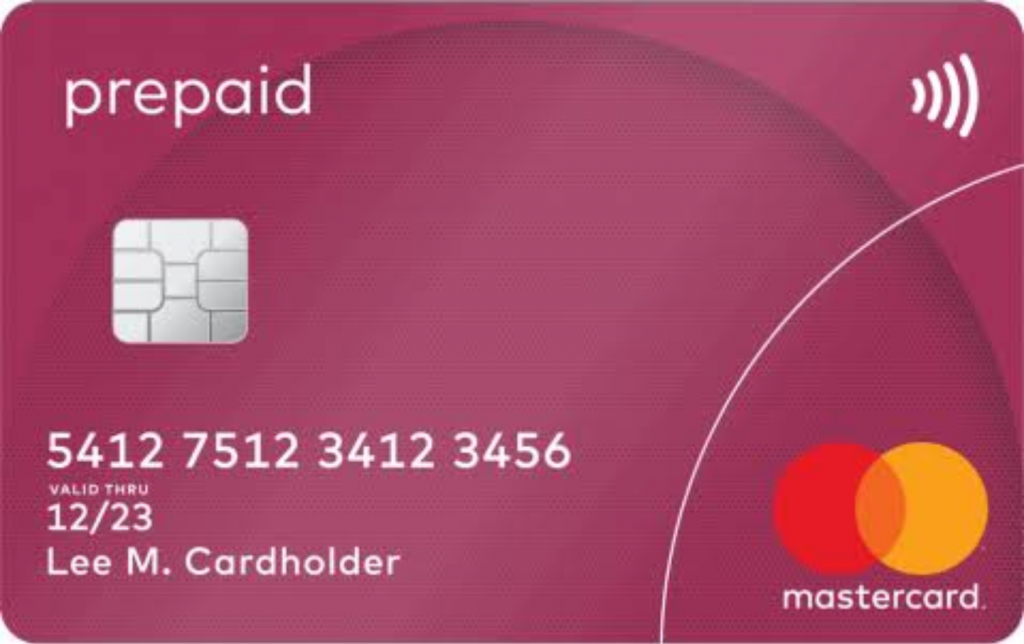
A prepaid card may resemble a debit card since it has no predetermined limit and purchases are limited to the amount loaded by the cardholder, but when it comes to its use cases and operating logic, there are significant differences compared to both credit cards and debit cards.
Is a prepaid card issued only with a magnetic stripe?
Prepaid cards can be issued with either a magnetic stripe or a chip. With advancing technology, most prepaid cards are now issued with a chip, both because it raises the security level and because of technologies that make the card easier to use.
So what is the difference between a prepaid card and a debit card/credit card?
- First of all, a prepaid card does not have to be linked to a bank account. Transactions can be carried out even without a linked bank account.
- Since prepaid cards are generally issued with a chip, they allow offline transactions up to the balance loaded on the card.
- They allow balance to be loaded onto the card through various loading points and channels.
- They are used particularly for access control at universities, schools, etc., and for carrying out and tracking on-campus transactions.
- Prepaid cards, unlike credit cards, do not carry a credit limit. Spending is limited to the amount loaded onto the card.
Does a prepaid card carry the Card Number, Expiration Date, and CVV information found on standard cards?
Yes, this information is also present on prepaid cards. They can be used at any merchant that accepts Visa and Mastercard cards.
Can prepaid cards be issued separately under the MasterCard and Visa schemes?
If a separate BIN is assigned by MasterCard and Visa and the required certifications are obtained, prepaid cards can be issued under both schemes.
What are the use cases for prepaid cards?
Prepaid cards are used in many areas. The most common use cases are listed below:
- General use: Since spending is limited to the loaded amount, it is a good solution for those who want to keep their spending under control.
- Gift cards: Instead of a gift, you can give your family or friends a card loaded with a certain balance.
- Prepaid virtual cards: Prepaid cards designed specifically for online spending.
- Allowance cards: Particularly suited for young people. An ideal solution for teaching them how to use a card and keep track of their own money.
Depending on the card type chosen, prepaid cards can come in two types:
- Use-and-discard: Gift cards fall into this category. Use of the card ends once the amount loaded onto it runs out.
- Use-and-reload: These cards work like prepaid mobile phones. When the money loaded onto the card runs low or runs out, you can keep using the card by topping it up again.
In conclusion, although prepaid cards may be thought of as a type of debit card, when their functions and use cases are considered, they are a card type of their own. We can say they are neither a credit card nor a debit card.