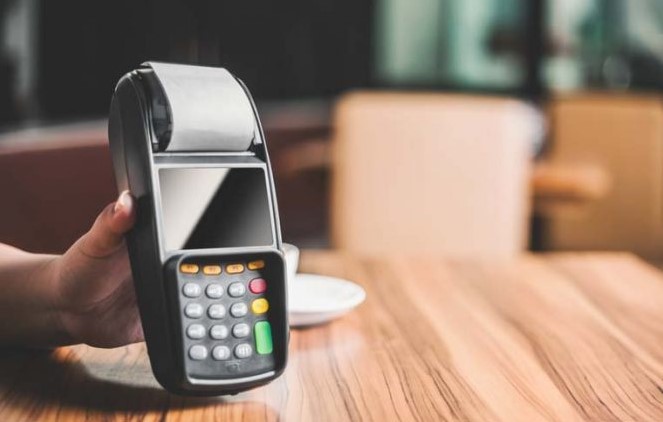
Mail order is carried out by conveying the credit card details to the company processing the transaction by phone or by mail.
A manual sale is when, because a transaction cannot be completed with the credit card through the POS device due to a physical problem during the purchase, the card details are entered into the POS device by hand instead.
In short, mail order takes place when the cardholder is not present at the POS at the time of the transaction, while a manual transaction takes place when the cardholder is present at the POS at the time of the transaction.
Both transactions require the POS device to have the relevant authorization.
If the POS device does not have this authorization, the transaction is rejected with error code 58.
What does error code 58 mean?
The response code 58 referred to in this article means, under the ISO 8583 standard, “transaction not permitted to terminal.” In other words, the problem is not with the card, but with the authorization of the POS on which the transaction was carried out. In this case, the merchant should apply to its bank to have mail order or manual sale authorization enabled.
Both transactions carry risk
In mail order and manual sale transactions, the card's chip or magnetic stripe is not read. Because the card details are entered by hand, it is not possible to verify during the transaction whether the card is genuine. For this reason, in both transaction types, if the cardholder disputes the transaction, the burden of proof falls on the merchant.
Points to watch for in a manual sale
- A manual sale should only be used as a method when the card's chip or magnetic stripe cannot be read.
- During the transaction, it should be confirmed that the card is physically present at the merchant, and the cardholder's identity should be checked.
- The transaction receipt should be signed by the cardholder and kept on file.
The situation today
With the spread of chip and contactless cards, the need for manual sales has largely decreased. For this reason, most banks keep manual sale authorization disabled by default on POS devices and enable it only for merchants where it is deemed necessary.