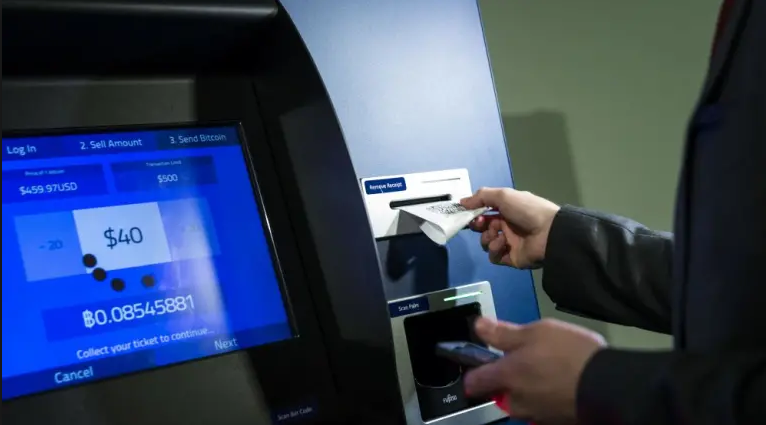
ATMs, which used to only let customers withdraw cash from their accounts, have today turned into a channel where almost all of the transactions available at a branch can be performed. These functions keep increasing every day, and they will continue to increase in the years ahead.
So, are there different types of these ATMs?
We can divide ATMs into 2 groups: Onsite (in-branch) and Offsite (off-branch).
Onsite ATM (In-Branch ATM):
An onsite ATM is an ATM machine installed at a facility where a bank branch is located, so that both the physical branch and the ATM can be used. Onsite ATMs save time for users because they allow transactions that could be done at the branch to be carried out at the ATM instead.
Offsite ATM (Off-Branch ATM):
Offsite ATMs are machines installed independently of branches. This means the bank has a location where there is only an ATM machine. Since opening a branch at every location is very difficult in our country, offsite ATMs are an ideal solution for helping the bank reach a wider geographic area and for allowing people to use its services even where there is no bank branch in the region.
Do banks themselves handle the maintenance and cash replenishment of offsite ATMs?
These kinds of operations are usually offered to banks as a service, for a certain fee, by companies that the banks have agreements with.
Is it risky to carry out transactions at offsite ATMs?
This depends on where the offsite ATM is installed. If you are carrying out a transaction at an offsite ATM installed in a remote location, you should think twice while doing so, and make sure no device (such as a card-skimming device) has been attached to the ATM.