It is a 2-character field written to the card's chip data that increases by 1 with each renewal, allowing authorization to distinguish between the old card and the new card. This also means that, theoretically (assuming no other conditions prevent it), a card can be renewed up to 99 times without the card number changing.
I renewed my card because it was lost/stolen. Does the PAN Sequence Number value change?
When a credit card is renewed due to loss/theft, the card number changes, so the newly issued card's PAN Sequence Number value is generated as 1.
How do I know my card's PAN Sequence Number value and whether it has changed?
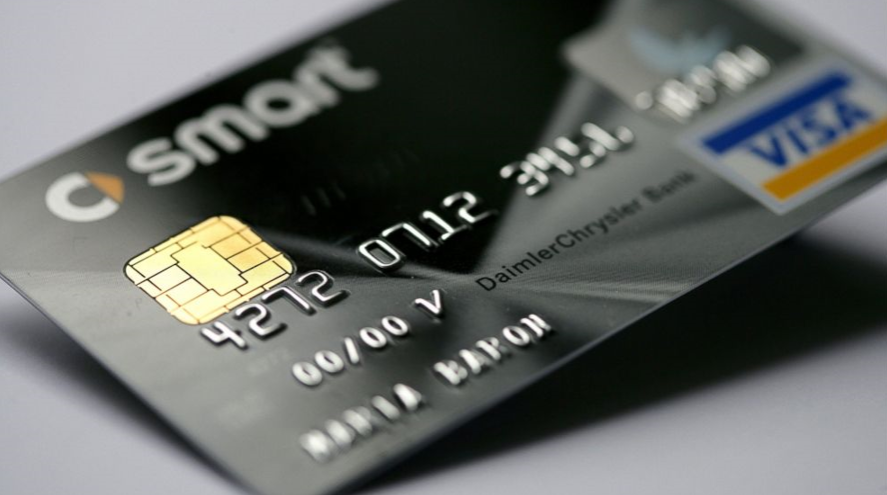
When a credit card is renewed (except for loss/theft), the card number does not change. However, the card's CVV2, expiration date, and PAN Sequence Number value do change. Since the CVV2 and expiration date information is printed on the card where the user can see it, the user can tell that this information has changed. However, since the PAN Sequence Number value is written to the card's chip data, it is not possible for the user to see the PAN Sequence Number value.
Can I use my old card after renewing it?
In renewals where the card number does not change, the old card can still be used — until the first transaction is made with the new card. Once the new card reaches the customer and the customer carries out their first transaction with it, the old card becomes unusable. (This flow is not the same at every bank. Some banks may have exceptions.)
Is the PSN value sent in the authorization message?
The PSN value is expected to be sent in field F23 of the authorization message.
In an authorization transaction, if the F22 value is '05x' and the 'tag 5F34' value (Application PAN Sequence Number) is populated on the chip, the F23 value must be present both in the authorization message and in the clearing data.
So what does the bank base the usability of the old card on?
It decides based on the PAN Sequence Number value. When a transaction is made with a card issued by the bank, since the card's PAN Sequence Number (PSN) value is sent to the bank online, the bank updates the card's record with the higher PAN Sequence Number value. When a transaction is made with the old card, since a lower PSN value is received, transactions with the old card end up being blocked.