We can say that the sector most affected by technology, and the quickest to adapt technological developments into its workflows and processes, is the card payment systems industry.
With the development of mobile devices, payment systems have also undergone serious change. We now prefer to use our credit cards virtually/on mobile rather than physically. Even though the physical use of the card is decreasing, we continue to hear interesting developments about the physical appearance of credit cards.
Starling Bank's vertical card move
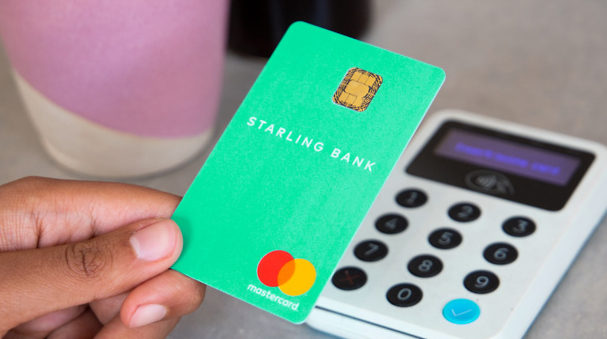
The UK's Starling Bank, which has recently been pushing the boundaries of standard banking, announced a change to its card design. Starling, a mobile-app-based bank similar to Enpara in our country, does not operate through a branch network like traditional banks. The bank, which gives its subscribers a card for everyday spending, shows us with this new card design that it has a forward-looking vision.
As someone who has been immersed in payment systems for years, a visual standard for credit cards had formed in my mind. Almost every institution that issues cards, in Turkey and around the world, produces products to similar standards. Even though I have worked on many projects that bring a fresh breath to payment systems, and have thought hard about new features, I don't recall giving much thought to how the design of the card itself could be changed. The change announced by Starling Bank shows us once again that we need to think differently and step outside the standard.
What Starling Bank has actually done is reflect the vertical usage we are accustomed to on mobile into the card design. Although it may seem a little odd at first, when examined in detail it truly brings a different perspective to the card.
Another change Starling Bank has made is moving information such as the Emboss Name, Card Number, and Expiry Date - which normally appear on the front of standard horizontal cards - to the back of the card. Thanks to this change, we can say the card becomes more secure, since the card information cannot be seen by third parties during a transaction.
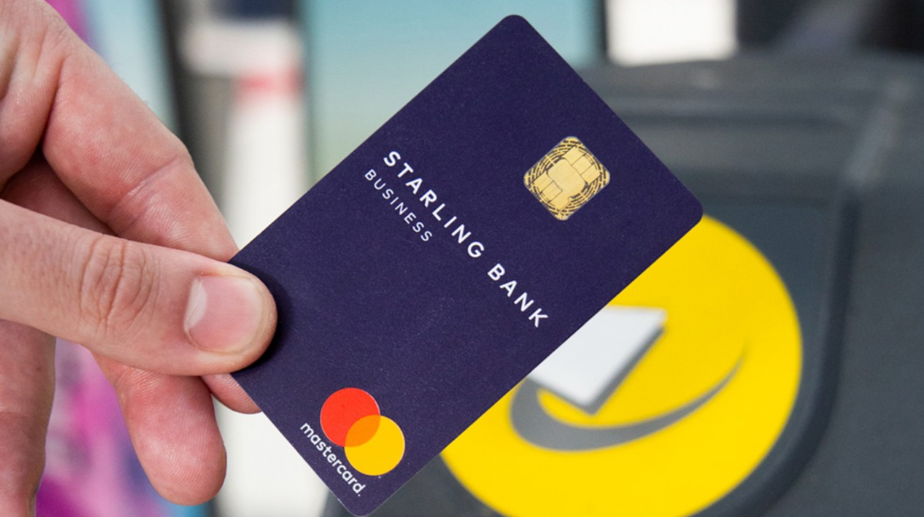
Starling Bank's vertical cards come in 2 different designs, offered for use by individual and corporate customers.
Are vertical cards systemically different?
In terms of system features, there is no difference between vertical cards and horizontal cards. Vertical cards also support contactless transactions, loyalty point earning and redemption, and installment transactions.
Are vertical cards used in Turkey?
Let's see when the vertical card experience that Starling Bank offers its customers will be made available to customers by banks in Turkey.
Frankly, as a customer, I would like to use a vertical card and have that experience. As I write this piece, perhaps some bank in my beautiful country is already working on this - who knows?