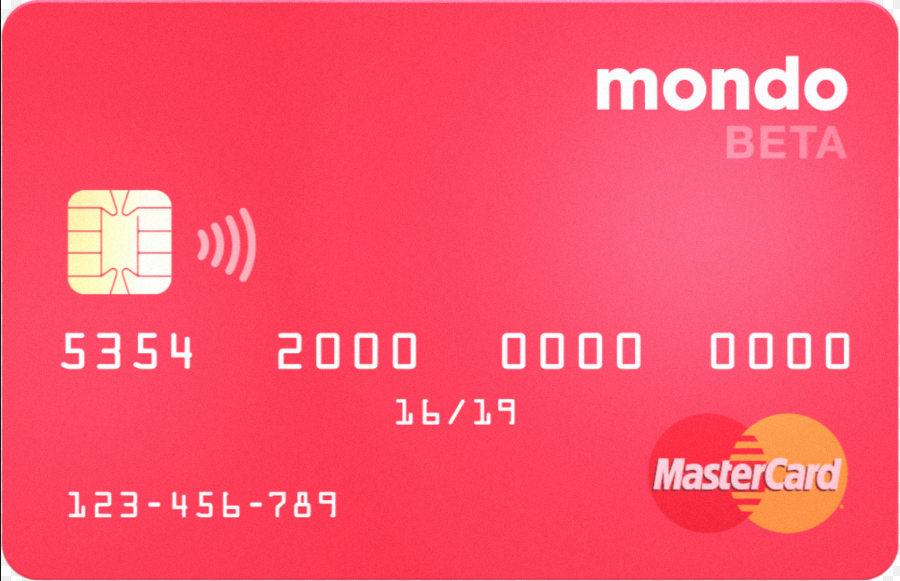
A prepaid card is a customized chip or chipless card that is not linked to a bank account and does not carry a credit limit like a credit card; you can spend only up to the amount loaded onto the card.
A prepaid card is a payment card, just like a debit card or a credit card. It carries a card number, an expiration date, and a security number (CVV). These cards can be used at any ATM or merchant that accepts cards.
Both the difficulty of obtaining a credit card and paying off card debt, and the requirement to open a bank account for a debit card, are among the most important factors behind the use and spread of prepaid cards.
In addition, banks may offer prepaid cards in order to expand the range of products available to their customers.
What should you pay attention to when getting a prepaid card?
A prepaid card is not a credit card
Prepaid cards are neither linked to a bank account nor do they have a fixed credit limit like credit cards. You can spend only up to the balance loaded onto the card. This means you can spend only as much as you load. It is also worth keeping in mind that there is no separate limit set for the customer on these cards.
Decide where you will use the card
Prepaid cards are a type of card that you limit in advance by loading money onto them, and that you can use for shopping or making payments, spending only up to the amount loaded onto the card. Because obtaining a prepaid card and its other procedures are minimal, its use and adoption in daily life are easier compared to credit cards and debit cards. Thanks to a wide merchant network with campaign management, it offers an easier and more secure way to pay than cash, along with the chance to earn extra points and discounts. For this reason, deciding what purpose you will use the prepaid card for is very important. For example, if you use public transportation daily, you can get a prepaid card integrated with public transit, or if you enjoy shopping and there is a prepaid card running campaigns at the stores and merchants around you, you can choose that card. If you have a child in middle school, prepaid cards are also ideal for teaching your child spending habits and keeping their card spending within the limit you set.
Remember that you can reload the card
Prepaid cards essentially work with two functions: use-and-discard or use-and-reload.
Use-and-discard cards are used for aid or gift purposes, while use-and-reload prepaid cards allow continued use by maintaining a balance on the card. A reloadable use-and-reload prepaid card keeps being used by adding money to it or topping it up. This way, instead of going into debt as with a credit card, you only spend as much money as you actually have, and there is no risk of exceeding your budget.
Pay attention to the fees
At the application stage for a prepaid card, you should carefully examine the fees you will pay for using and operating the card, as well as the advantages it will provide you. For this reason, before getting a prepaid card, you should check the products and advantages of all companies offering prepaid card services one by one, and choose the prepaid card that best suits your needs.
Pay attention to the security conditions
Visually, prepaid cards look no different from a debit card or credit card. You can use these cards securely at any merchant that accepts card payments by entering the PIN you have set.
Prepaid cards also have:
- A card number
- An expiration date
- A security number (CVV). This also lets you carry out your transactions online.