Credit Card
What Is Available Limit?
Available limit is what remains of a credit card's limit after subtracting current spending and outstanding installments. See how it's calculated, with worked examples.
Search
226 articles found
Credit Card
Available limit is what remains of a credit card's limit after subtracting current spending and outstanding installments. See how it's calculated, with worked examples.

Laws & Regulations
Turkey is rapidly implementing the items in the 11th Development Plan for a fintech ecosystem with equal opportunity. Under the approved law amendment, some BRSA powers over payment services and e-money companies were transferred to the CBRT, making it the single authority in payments.

ISO 8583
F25 - POINT OF SERVICE (POS) CONDITION CODE is the field that defines the condition under which a POS transaction was performed. Possible values include 00 Normal presentment, 01 Customer not present, 02 Unattended terminal, and more.

Payment Systems
Offline transaction parameters are divided into two types: contact offline and contactless offline. These parameters can be managed separately through Terminal data and Chip data. Offline transactions can be reported to the HOST after an online transaction, after X occurrences, and more.
ISO 8583
DE 95, Replacement Amounts, shows the transaction amount information in full or partial reversals. Here are its subfields and how it relates to F4.
ATM
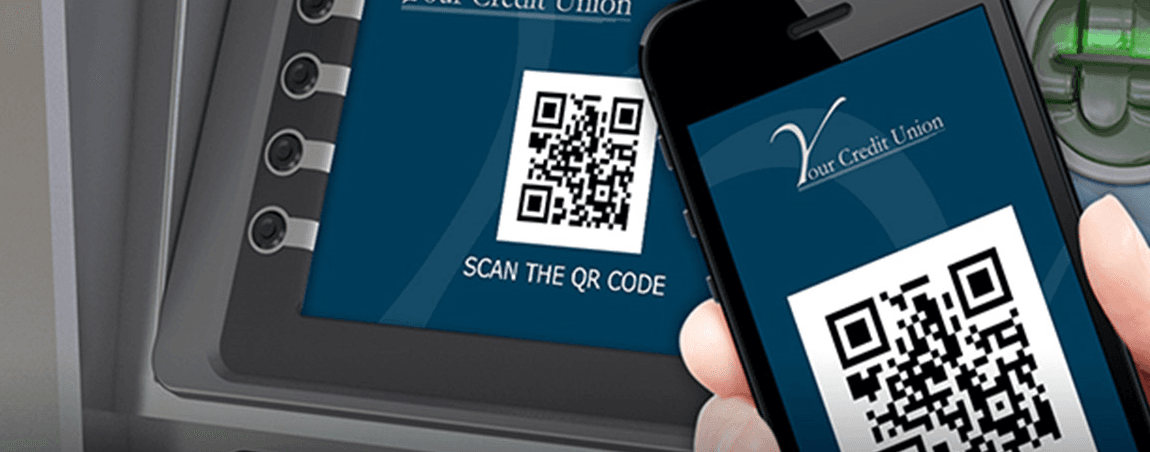
With the advancement of technology, cash withdrawal methods have also diversified. The latest trend is withdrawing cash with a QR code. By generating a QR code through the mobile branch app of a bank that supports this feature, customers can withdraw cash from an ATM without a card.

Laws & Regulations
BSMV stands for Banking and Insurance Transaction Tax, levied on banking and insurance transactions. This post explains how it applies to payment institutions and e-money institutions under Expense Taxes General Communiqué No. 91, with an example.
Online & Authorization
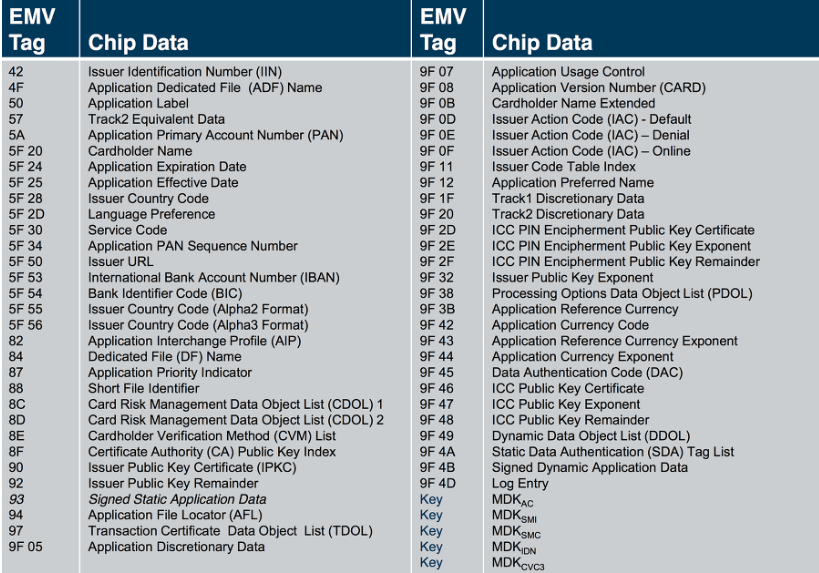
In EMV, data is stored in Tag-Length-Value (TLV) format, and it is carried between the card, the POS terminal, and the authorization system in this same format. This post lists every EMV Tag, its type, and its description.
Credit Card
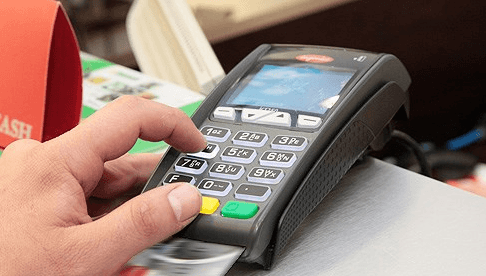
The PIN Try Counter is a value stored on the card's chip showing the number of remaining offline PIN attempts. Each incorrect offline PIN entry decreases it by 1, and it resets when the correct PIN is entered.
HCE
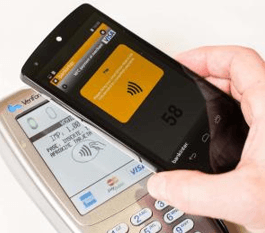
An international standard that defines proximity cards used in Near Field Communication (NFC) and the protocols used to communicate with them. It has 4 parts; Part 4 covers NFC and HCE operations.

Payment Institutions & E-Money
The Law defines e-money as monetary value issued in exchange for funds accepted by the issuer, stored electronically, used for payment transactions and accepted as a payment instrument by persons other than the issuer. This post explains e-money institutions and the services they may provide.

Merchant & POS
Winning customers is one of the most important things in business, but keeping them satisfied matters just as much. If you collect payments at regular intervals, such as monthly, these tips will help you improve the success rate of recurring collections.