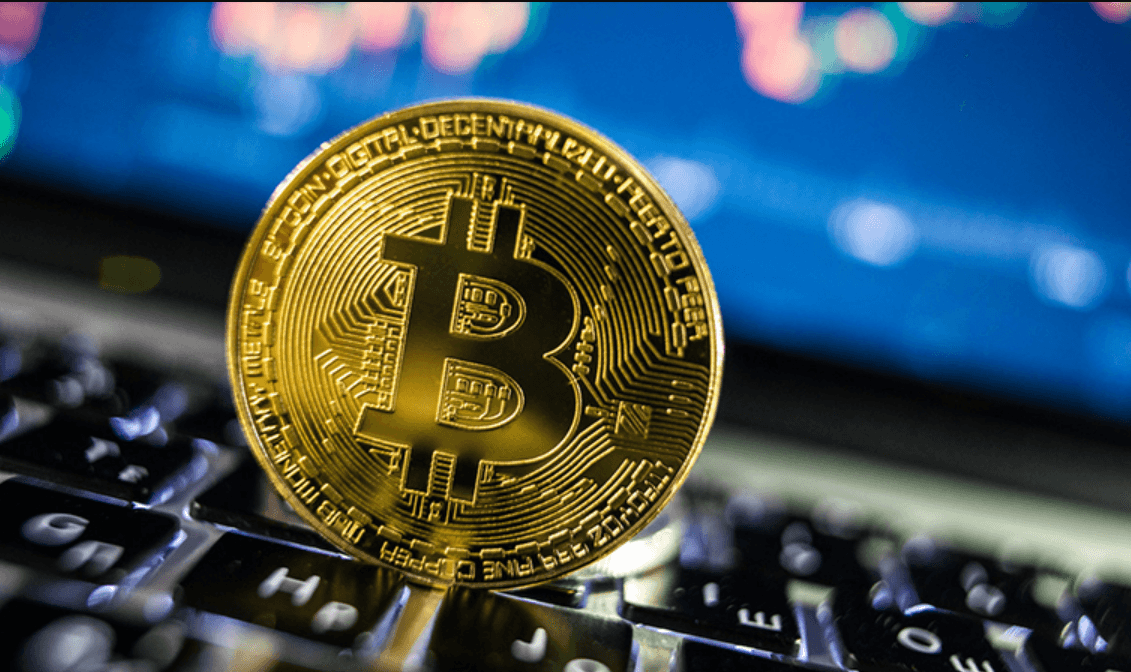
Cryptocurrency
What Is Bitcoin?
Bitcoin is a digital currency launched experimentally in 2009 by Satoshi Nakamoto. It has no ties to any central bank, can be bought and sold with national currencies and can be transferred without any intermediary.
Search
281 articles found
Cryptocurrency
Bitcoin is a digital currency launched experimentally in 2009 by Satoshi Nakamoto. It has no ties to any central bank, can be bought and sold with national currencies and can be transferred without any intermediary.
Online & Authorization
These are codes that communicate the issuer's conditions for approving a transaction online (IAC-Online), for declining it (IAC-Denial), or for declining it when the terminal cannot go online (IAC-Default).
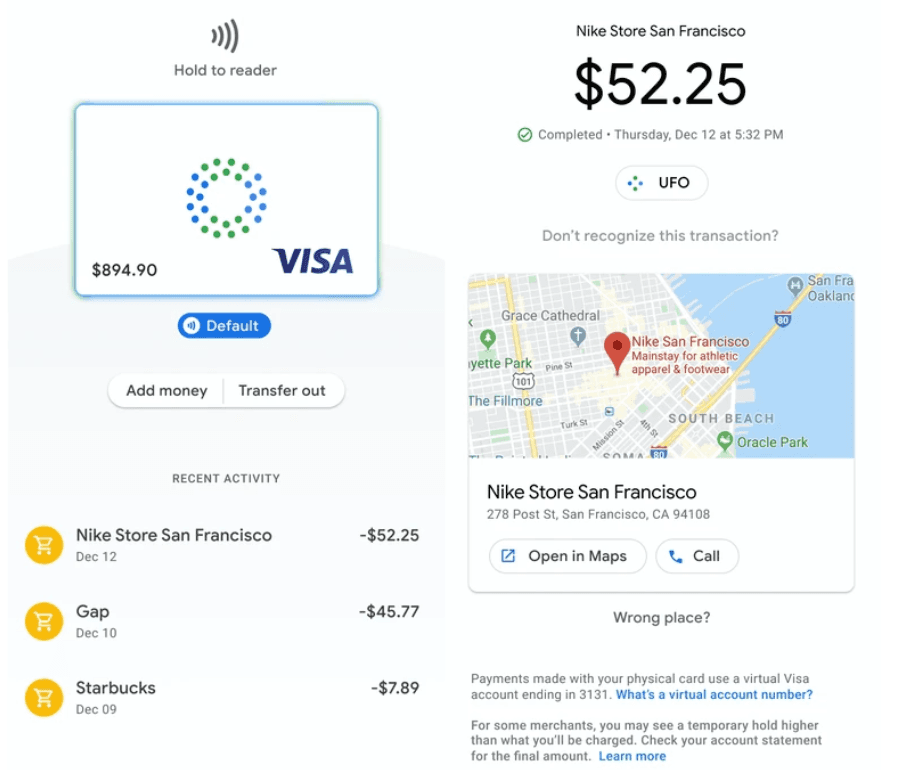
Credit Card
After Apple Card, announced last March to great fanfare, Huawei said it would issue a card too. Google has now joined the race among tech companies by announcing a new card of its own.

Payment Systems
Let's talk about payment systems, which we have heard more about since the internet entered our lives, and the basic structures behind them. The first credit card in the world was used in America in the 1920s.
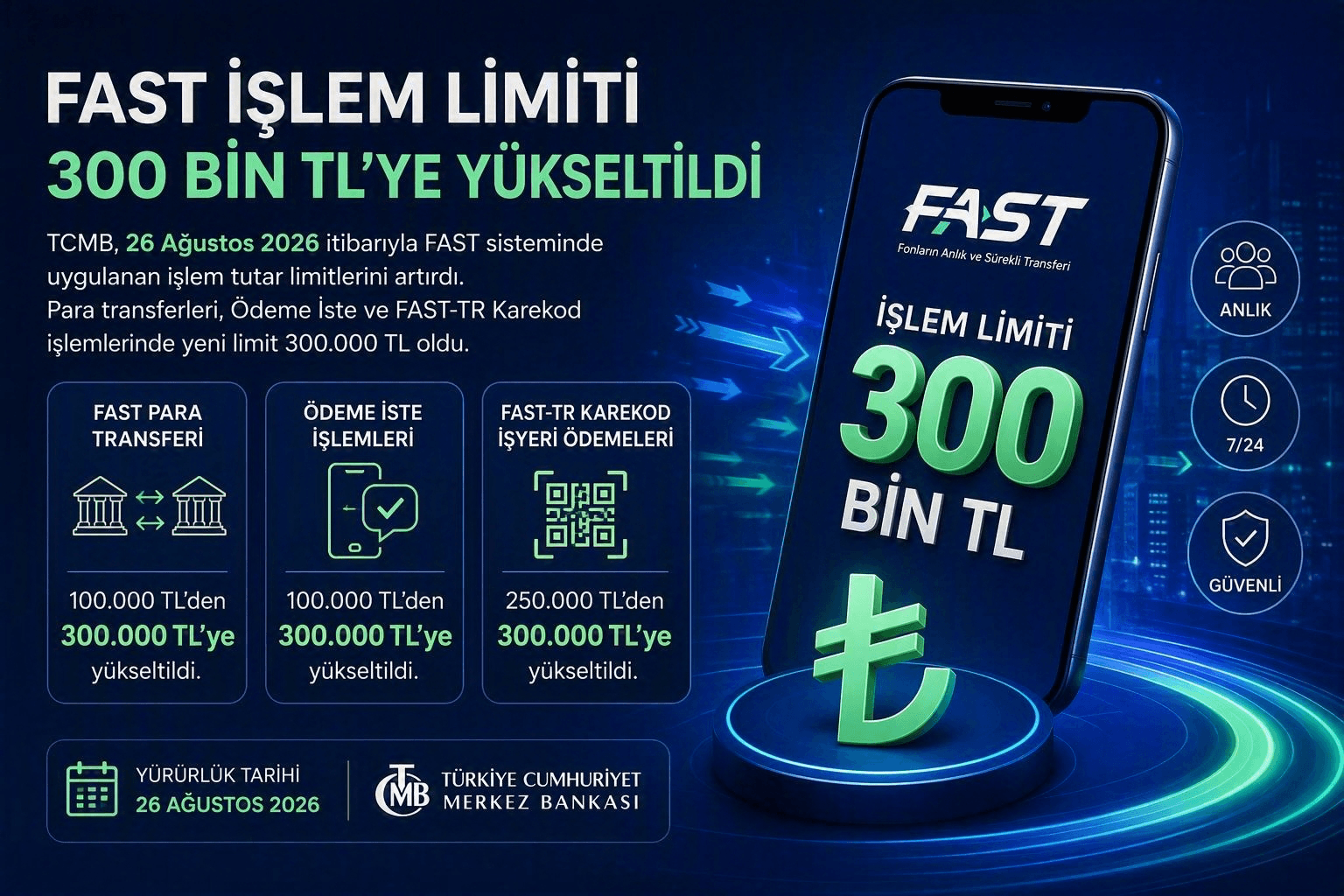
FAST
The Central Bank of the Republic of Turkey (CBRT) has implemented a significant limit increase in the FAST system. Under the regulation effective August 26, 2026, the FAST money transfer limit was raised from TRY 100,000 to TRY 300,000. The same increase also applies to Request to Pay...
Credit Card
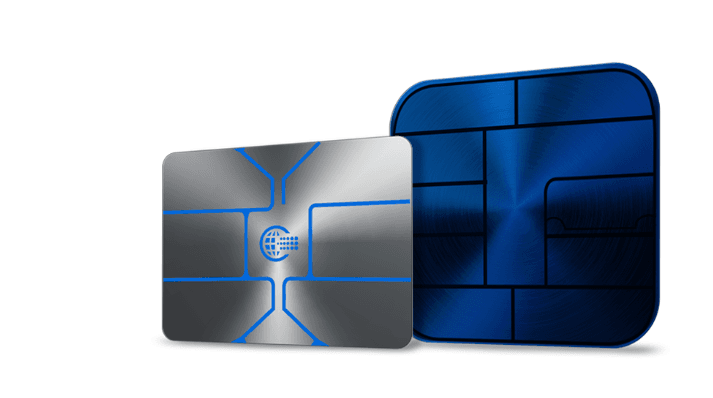
EMV chip cards contain a small, powerful microprocessor that provides enhanced security, faster transactions, and support for loyalty programs. VSDC is Visa's chip-based solution; M/Chip-Lite is Mastercard's low-cost equivalent for banks starting their chip migration.
Credit Card
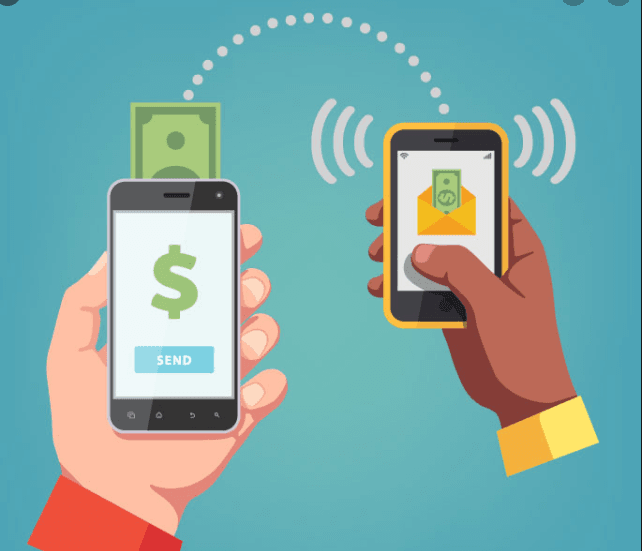
Person-to-person payments (P2P) is an online technology that lets users transfer money from their bank or credit card accounts to another person's account over the internet or a mobile phone. Examples of such apps include PayPal, Venmo, and Cash App.
Laws & Regulations
Payment systems are the instruments, processes and rules that enable the transfer of funds or securities between participants. This post explains the conditions a structure must meet to qualify as a payment system and the Turkish regulations that govern them.
Payment Institutions & E-Money
The duties of the Payment Systems and Financial Technologies Department, set up within the CBRT Head Office, have been defined, along with the directorates it consists of.
Merchant & POS
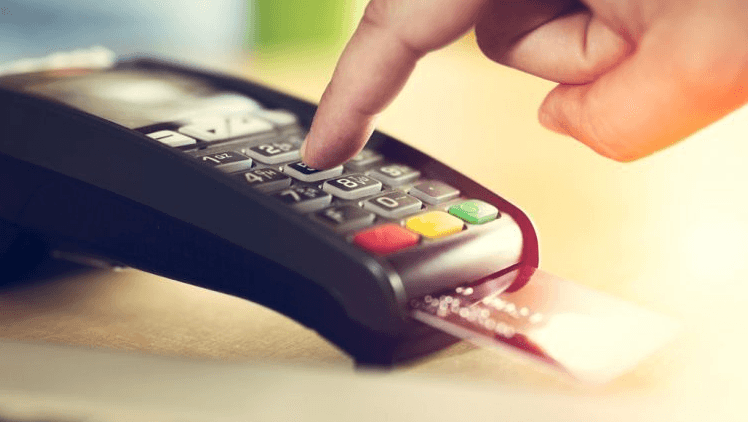
Since the MCC code is a merchant's category code, it's critical for the checks performed during merchant onboarding and authorization, including campaigns and restrictions.
Credit Card
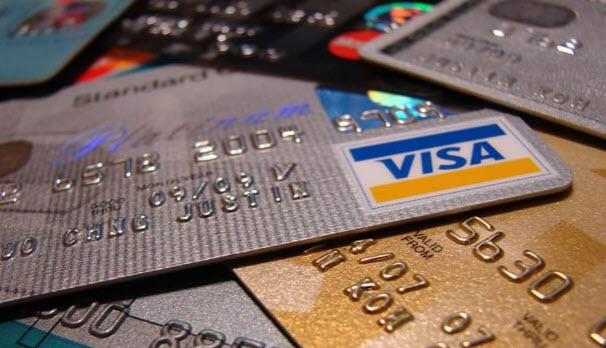
Although card usage today is shifting from physical use toward virtual use, physical card production, personalization, and printing remain vital steps in card manufacturing. Here are the companies that produce and personalize cards in Turkey.
Payment Systems
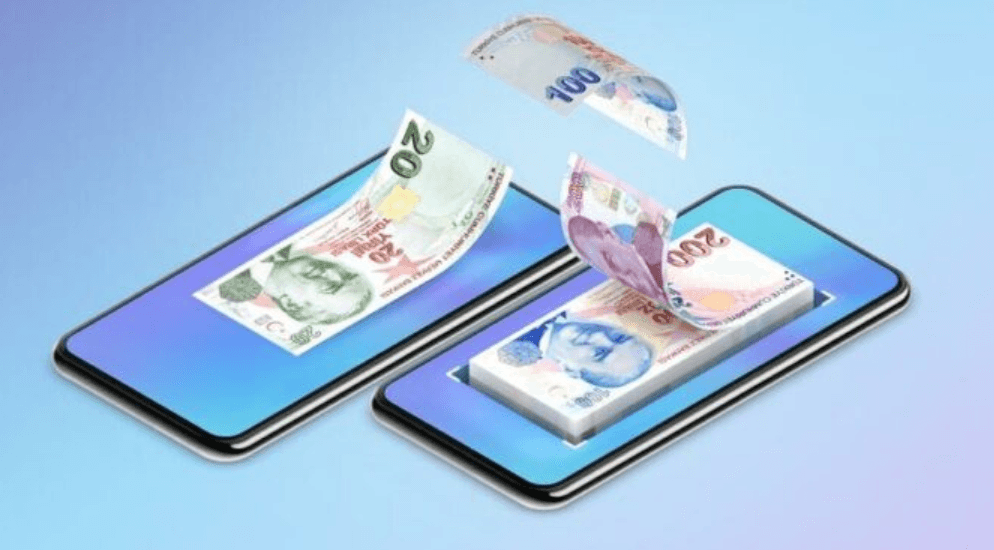
Let's start by defining e-money. In general terms, e-money is a monetary value stored on a secure technological device (such as a computer disk). E-money is a concept defined under Turkish law through legislation enacted by the BRSA (BDDK).