
Credit Card
What Should I Do If My Card Details Are Copied?
Card copying usually happens with magnetic stripe debit cards. As soon as you notice your card details have been copied, you can close the card, renew it or change its PIN.
Search
164 articles found
Credit Card
Card copying usually happens with magnetic stripe debit cards. As soon as you notice your card details have been copied, you can close the card, renew it or change its PIN.
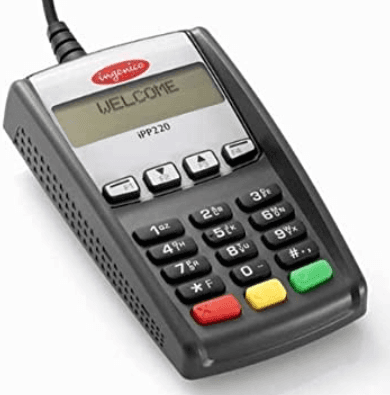
Merchant & POS
Pin Entry Device is another name for the PIN pad device we all know and use daily. It makes it easier for users to enter their card PIN during POS transactions with credit or debit cards, and is used for contactless card reading...

Merchant & POS
Response codes returned on payment transactions are critical for managing next steps. Curious which error codes trigger card capture? Under ISO 8583, codes 04, 07, 33, 34, 36, 38, 41 and 43 all result in the card being captured.
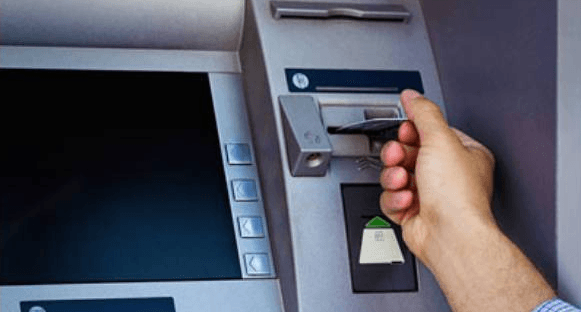
ATM
At payment points such as ATMs and POS terminals, the most critical step is PIN verification or verifying the customer through their identity information. However, since ATMs cannot verify a customer's identity, PIN verification becomes more important. So how is it performed?
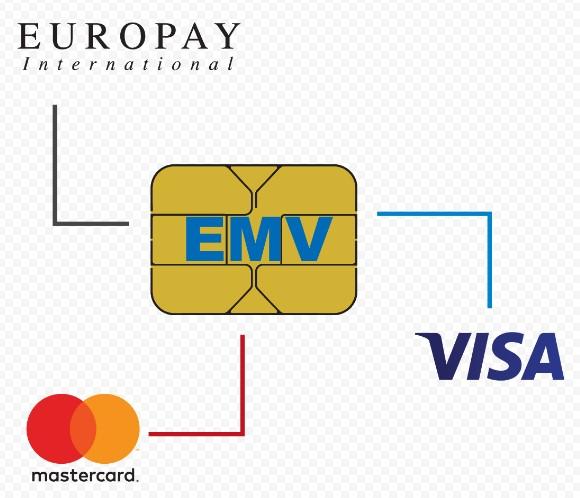
Online & Authorization
EMV stands for Europay, Mastercard and Visa. In 1994 these companies formed a working group to set chip-card standards, leading to the EMV standards used worldwide today.
Payment Systems
Cards are delivered to customers by courier, and at several points along that chain a card could theoretically be intercepted. To prevent misuse before delivery, banks print new and Lost/Stolen replacement cards as Temporarily Blocked, activating them only once the customer receives them.
Credit Card
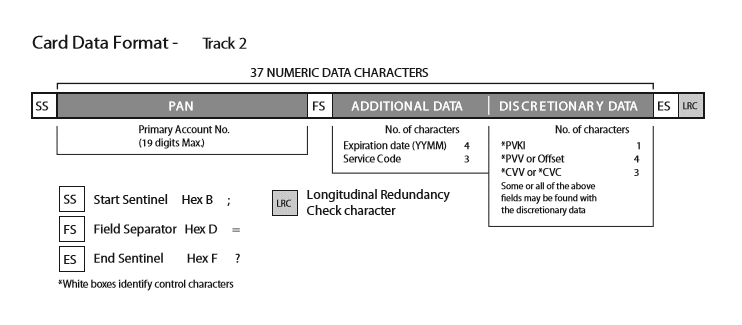
A special data set printed on a card's magnetic stripe, containing the card information required for authorization when the card is used physically. It consists of 40 numeric characters. The Track2 field structure includes several data fields such as length and description.
Credit Card
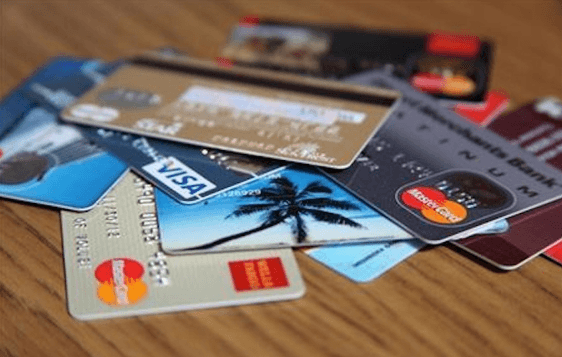
PVKI is the abbreviation for PIN Verification Key Index. It is located within the card's Track 1 and Track 2 data and is used in PVV calculation. It can take values from 1 to 6, usually defaulting to 1.
ATM
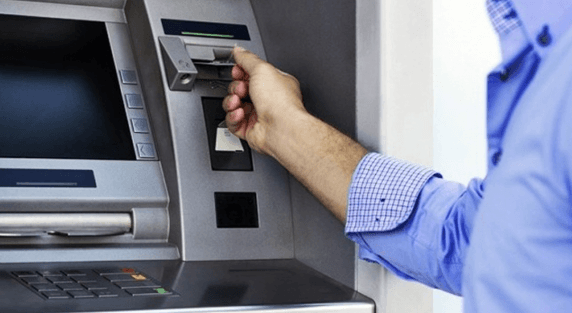
Did you know that when a transaction is attempted with another bank's card at an ATM, the PIN check happens not when the card is inserted, but when the transaction is sent for authorization? (Deposits are the exception.)
Credit Card
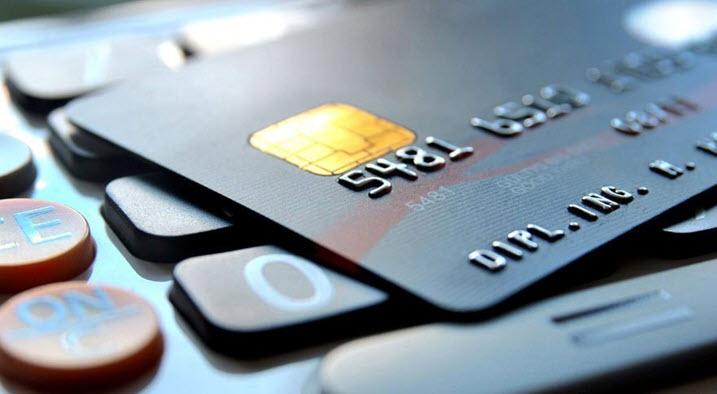
PVV is the number encoded on a card's magnetic stripe that allows the cardholder's PIN to be verified by ATMs and POS terminals. It is a 4-digit cryptogram calculated through a cryptographic operation using the PIN and card data. The real result is longer than 4 digits.
Merchant & POS
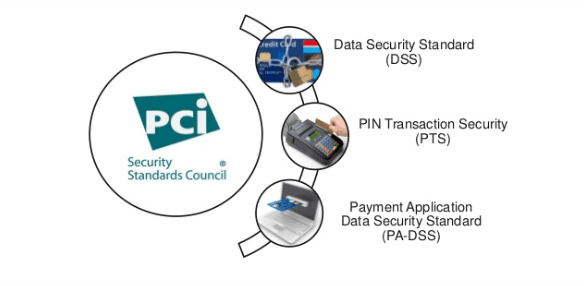
PIN Transaction Security (PTS) verifies that card data and PIN information are used for a payment transaction. It is a set of modular evaluation requirements managed by the PCI Security Standards Council for PIN-accepting terminals.
Payment Systems
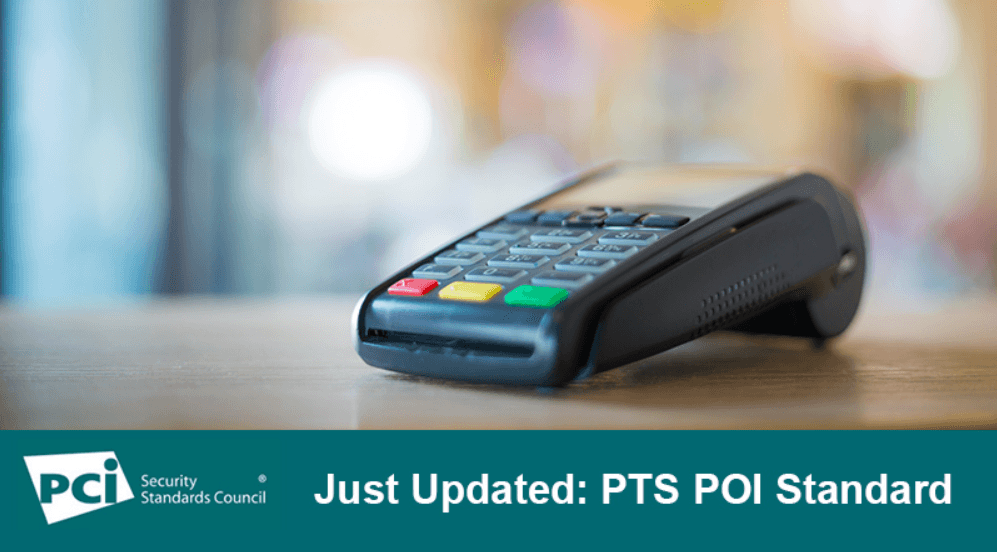
PCI Point of Interaction (POI) was introduced to minimize risk in card transactions. PCI POI Security Requirements cover physical and logical security for both online and offline PIN entry devices (PED) and secure card readers.