Skip to content

Search

"Compliance"

56 articles found

Photo of a Pin Entry Device (PIN pad) used for card payments

Merchant & POS

What is a Pin Entry Device (PED)?

Pin Entry Device is another name for the PIN pad device we all know and use daily. It makes it easier for users to enter their card PIN during POS transactions with credit or debit cards, and is used for contactless card reading...
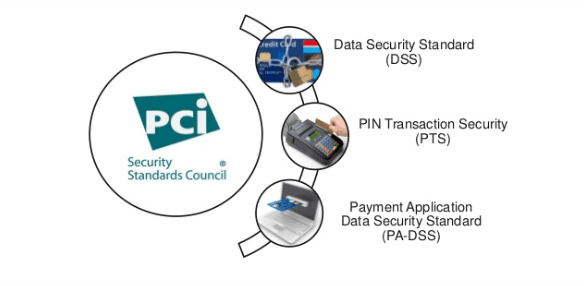

Illustration representing PIN Transaction Security (PTS) certified payment devices

Merchant & POS

What is PIN Transaction Security (PTS)?

PIN Transaction Security (PTS) verifies that card data and PIN information are used for a payment transaction. It is a set of modular evaluation requirements managed by the PCI Security Standards Council for PIN-accepting terminals.

Person entering card details on an online payment page

E-commerce

What is Online Payment?

Making payments over the internet using a card is called online payment. Learn what online payment systems are used for and what happens behind an online transaction, from the payment gateway to the issuing bank.

Illustration of an ATM with a voice menu for visually impaired customers

ATM

What Must Banks Do for Visually Impaired Customers?

Banks must provide the infrastructure for ATM access by visually impaired customers. Among ATMs side by side or less than 50 meters apart, only one needs to comply; all other ATMs must serve visually impaired customers. Details of Article 7 are below.

Diagram illustrating the card payment arbitration process

Chargeback

What is Arbitration?

Arbitration, by definition, is a dispute resolution method in which disputes are settled by arbitrators the parties choose themselves, rather than by official courts. In payment systems, it follows a chargeback when the issuer and acquirer cannot agree.

Diagram of a good faith request exchanged between issuer and acquirer outside the chargeback process

Chargeback

What Is a Good Faith Request?

A good faith review request is a written request that issuers and acquirers send each other to collect on a transaction when the dispute (chargeback) process cannot be run. The requesting party states its grounds.