
Credit Card
What Is SAFE (System to Avoid Fraud Effectively)?
SAFE, short for System to Avoid Fraud Effectively, refers to fraud records created by issuing banks. Fraud records sent in the Mastercard clearing format fall under the SAFE category.
Search
73 articles found
Credit Card
SAFE, short for System to Avoid Fraud Effectively, refers to fraud records created by issuing banks. Fraud records sent in the Mastercard clearing format fall under the SAFE category.

Online & Authorization
Pay by link is an innovative financial solution that completes a payment through a link sent over the internet, making it possible to shop and transfer money through channels like WhatsApp and Instagram.

Merchant & POS
Almost all of us carry at least one credit card. Imagine losing your wallet with all your cards inside, and someone with bad intentions finding it and using the cards without a PIN. Who bears the responsibility?

Chargeback
A chargeback is when cardholders dispute a transaction made without their knowledge through their card-issuing bank. So what does a Retrieval Request mean? It is essentially a document request related to transactions a cardholder does not recognize on their statement.

Chargeback
A soft chargeback, also called a retrieval request, is a request for documents about a transaction the cardholder does not recognize. Learn why customers request them, what information merchants should provide, and why a fast response matters.
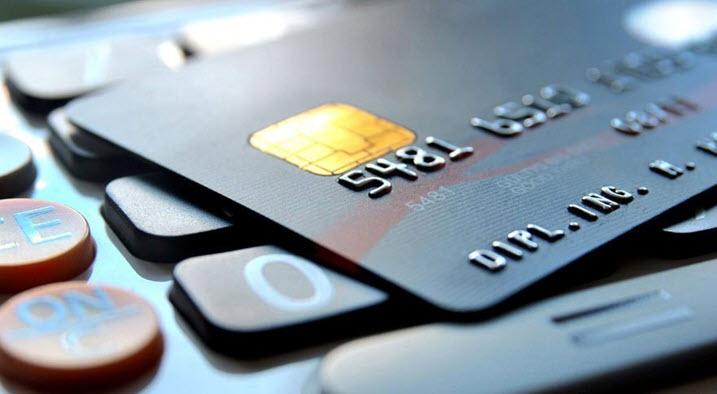
Clearing
Chip Condition Code is a code carried in the F60 (Additional Data) DE14 field during clearing that shows the chip read status. The possible values and their descriptions are listed below.
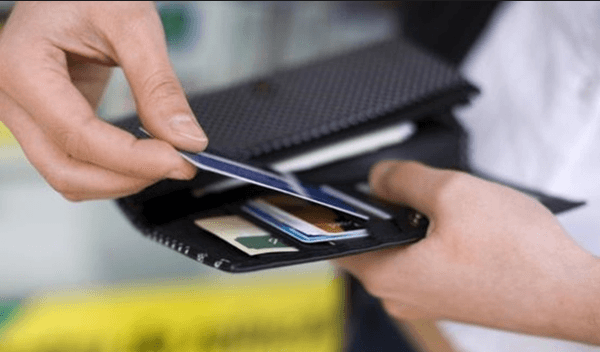
Clearing
DE03/Reimbursement Attribute carries the Reimbursement Value of a transaction. BKM uses this information as the basis for calculating interchange fees and charges between member banks.

Fraud
In payment systems, fraud means using someone else's credit or debit card to carry out a transaction at a merchant or ATM, gaining unfair profit and causing loss to the real cardholder, the merchant, or the bank. Fraudsters…
Merchant & POS
In daily credit card purchases, the POS produces two receipts: the Customer Copy and the Merchant Copy. The cardholder gets the customer copy; the merchant keeps its own copy by law.

Merchant & POS
Yes, it is mandatory. This requirement was introduced to prevent fraud. To fulfill their obligations regarding identification of foreign customers, banks must make one of several arrangements on receipts, such as bilingual descriptions or an explicit foreign card warning.
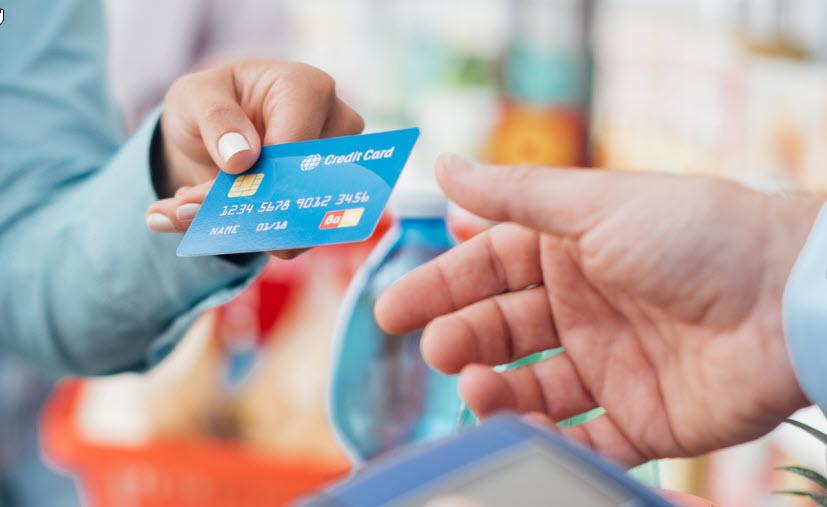
Merchant & POS
Open authorization covers the period between authorization, POS batch close, the bank's end-of-day process, and clearing. Learn which steps allow cancellation versus refund, and what a cardholder should do.

ISO 8583
F25 - POINT OF SERVICE (POS) CONDITION CODE is the field that defines the condition under which a POS transaction was performed. Possible values include 00 Normal presentment, 01 Customer not present, 02 Unattended terminal, and more.