Skip to content

Search

"acquiring bank"

105 articles found

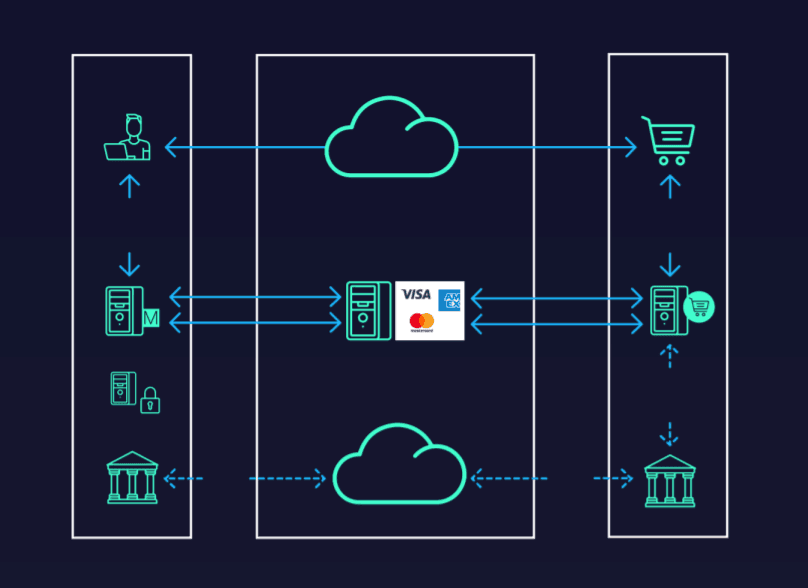
Diagram illustrating a bank's OnUs transaction flow and the process of opening ATMs to other banks' cards

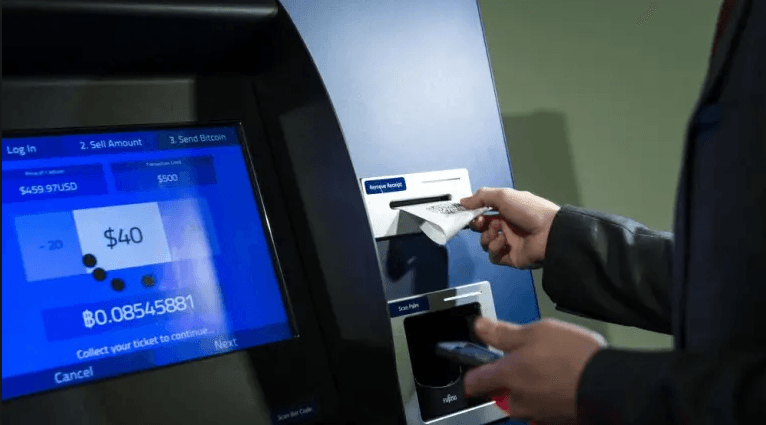
ATM

What needs to be done to open ATMs to the use of all bank cards?

Suppose you are a newly established bank, wanting to offer customers all your products and services. Of course, this is not easy. First, the Bank's OnUs transaction processing step must run successfully before other banks' cards can be accepted at the ATMs.

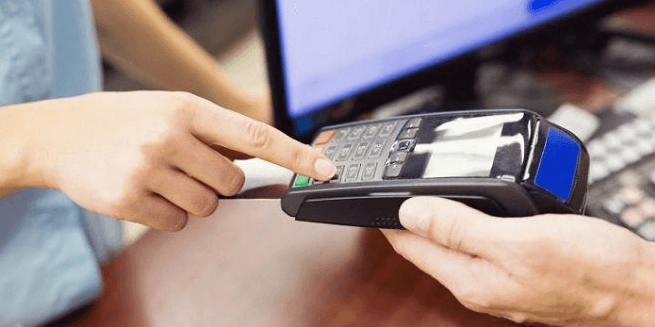
Diagram illustrating the soft chargeback retrieval request process between cardholder, issuer and merchant

Chargeback

What Is a Soft Chargeback?

A soft chargeback, also called a retrieval request, is a request for documents about a transaction the cardholder does not recognize. Learn why customers request them, what information merchants should provide, and why a fast response matters.

Illustration showing the reasons a bank may terminate a merchant agreement

Merchant & POS

Under What Circumstances Is a Merchant Agreement Terminated?

Banks check merchants against a termination list before issuing a POS device. Learn the main reasons, such as counterfeit card acceptance, excessive chargebacks, and fraud, that can lead a bank to terminate a merchant agreement.

Illustration of a card payment approved for a partial amount

Merchant & POS

What Is Partial Authorization?

Partial Authorization lets an issuer approve part of a transaction instead of declining it when the balance or limit is insufficient. This post covers how it works in ISO 8583, whether it is mandatory, and why it matters for the business.

Diagram showing membership types for Visa and Mastercard card schemes

Credit Card

How Many Types of Membership Are There by Card Scheme?

Banks must go through a costly, arduous process to issue cards (issuer) and accept cards (acquirer), paying high entry fees to international license providers and local organizations such as BKM.

ISO 8583 field 52 PIN data encrypted PIN block

ISO 8583

ISO 8583 Field Descriptions (F52)

DE 52 — Personal Identification Number (PIN) Data: the field that holds the PIN data. PIN verification is carried out based on this field.

Diagram showing how pre-authorization blocks a card's available limit

Credit Card

Which Cards Can Be Used for Pre-Authorization?

Pre-authorization reduces the merchant's risk by blocking part of the card's limit for a set period. Since a credit card has a defined limit, an amount can be blocked against it. ATM cards and prepaid debit cards have no such limit to block.

Contactless card payment at an overseas POS terminal that prompts for a PIN after a limit is exceeded

Payment Systems

Visa Overseas Contactless Transactions – After Code 70 (Part 2)

After switching to response code 70 for contactless limit-exceeded cases, we found that some overseas POS devices and acquirers did not handle it as expected. This post covers why the problem lies in the ecosystem and how to address it.

Table of Visa and Mastercard fraud codes and descriptions

Security

What Are the Visa and Mastercard Fraud Codes?

Fraud means obtaining unjust gain by carrying out a transaction at a merchant or ATM using someone else's credit card or debit card, causing a loss to the real cardholder, the merchant, or the bank. So what fraud codes do Visa and Mastercard use?

Diagram showing the role of the Access Control Server (ACS) in the 3-D Secure authentication flow

Security

What is Access Security Control (ACS)?

Access Security Control (ACS) is the security protocol that the card-issuing bank must maintain in 3-D Secure to support cardholder authentication, functioning as a complete authentication solution for issuers and payment processors.

Payment card with an EMV chip

Clearing

What is Chip Condition Code?

Chip Condition Code is a code carried in the F60 (Additional Data) DE14 field during clearing that shows the chip read status. The possible values and their descriptions are listed below.