Skip to content

Search

"PCI DSS"

23 articles found

Illustration representing the PA-DSS payment application security standard

HSM & Security

What is PA-DSS (Payment Application Data Security Standard)?

PA-DSS (Payment Application Data Security Standard) is the Payment Application Data Security Standard set by the PCI SSC, a global security standard created by the Payment Card Industry Security Standards Council.

PCI Security Standards Council overview

Security

What is PCI SSC?

It is an organization aimed at developing, managing, teaching, and raising awareness of security standards in the Card Payments Industry. The PCI Security Standards Council is also an open global forum for data security standards.

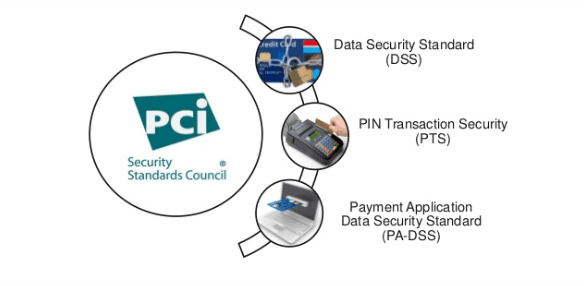
Illustration representing PIN Transaction Security (PTS) certified payment devices

Merchant & POS

What is PIN Transaction Security (PTS)?

PIN Transaction Security (PTS) verifies that card data and PIN information are used for a payment transaction. It is a set of modular evaluation requirements managed by the PCI Security Standards Council for PIN-accepting terminals.

PCI DSS Qualified Security Assessor illustration

Security

What Is a Qualified Security Assessor (QSA)?

A Qualified Security Assessor (QSA) is a person approved by the PCI Security Standards Council to audit merchants for compliance with the Payment Card Industry Data Security Standard.

Architecture diagram of the Visa EAS Server within the Visa Secure 3-D Secure authentication flow

EMV

What Is the Visa EAS Server?

The Visa EAS Server (Extended Access Service) is a server used in Visa’s authentication infrastructure. It was developed to run the cardholder authentication process securely between banks and the Visa network, particularly within Visa Secure (3-D Secure 2.x).

Diagram of a partial authorization where an issuer approves only part of the requested amount

Merchant & POS

What Are the Partial Authorization Requirements for an Acquirer Bank?

Partial authorization lets an issuer approve part of the requested amount when the card lacks the full balance, with the rest paid another way. This post covers the technical, receipt, clearing, reconciliation, merchant and certification requirements for acquirers.