Skip to content

Search

"Symmetric Keys"

6 articles found

Diagram of symmetric key types used in payment systems

HSM & Security

Types of Symmetric Keys

In the world of payment systems, keys and their uses are important for transferring information from one place to another, storing information, and securing authorization and scripting steps. Key types are divided into six categories based on their purpose.
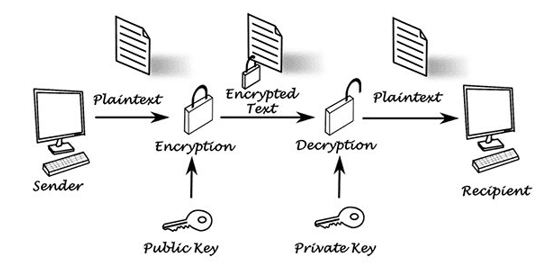
Diagram showing how a Message Encryption Key (MEK) is used to encrypt and transmit a message

Merchant & POS

What Is Message Encryption Key (MEK)?

MEK stands for Message Encryption Key, a randomly generated or static key used to encrypt message content and ensure its secure transmission between parties.

HCE terminology and architecture diagram

HCE

Terms Used in HCE Terminology

When we talk about HCE methodology, many interacting architectural components come to mind. The core terms describing this architecture are listed below, starting with GCM/FCM (Google/Firebase Cloud Messaging), a service for sending push notifications.

DES and AES encryption comparison illustration

HSM & Security

What are DES and AES Keys?

Below are the properties and descriptions of the DES and AES keys used for encryption: DES (Data Encryption Standard) and AES (Advanced Encryption Standard) are both symmetric block ciphers. DES is a symmetric block cipher with a 56-bit key length...

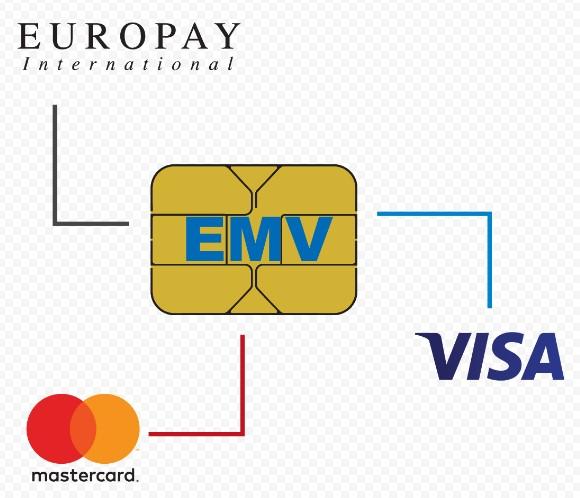
EMV chip card illustration

Online & Authorization

What is EMV?

EMV stands for Europay, Mastercard and Visa. In 1994 these companies formed a working group to set chip-card standards, leading to the EMV standards used worldwide today.

Diagram illustrating the RSA encryption algorithm

HSM & Security

What is RSA (Rivest, Shamir, Adleman) Key?

RSA, first used by Rivest, Shamir and Adleman, is a security algorithm used in digital cryptography. RSA differs from older symmetric algorithms because it enables digital signing and advanced encryption for e-commerce systems and high-profile institutions.