
Fraud
How Do Fraud Applications Work?
Fraud management is used to detect possible fraud on customer accounts and provides additional security for transactions when necessary, making it one of the top priorities for banks.
Search
115 articles found
Fraud
Fraud management is used to detect possible fraud on customer accounts and provides additional security for transactions when necessary, making it one of the top priorities for banks.
Fraud
Fraud controls fall into two main types: application fraud controls, which check card and merchant applications, and transaction fraud controls, which monitor card and POS transactions.

Chargeback
A chargeback is the process of requesting that an amount paid by credit card be refunded, either because the goods or services paid for were not received, or because a transaction is identified as one the cardholder did not carry out.
Fraud
With the growth of credit and debit card usage and rising e-commerce transaction volumes, there has been a serious increase in exploiting user negligence to harm customers. Fraud means using someone else's card at a merchant or ATM to gain unjust profit.
Fraud
Fraud monitoring refers to tracking card transactions through scenarios to detect potential fraud and taking rapid action immediately before or after a transaction occurs - such as identifying a suspicious transaction, calling the customer, or temporarily blocking the card to prevent authorization.

Merchant & POS
Banks check merchants against a termination list before issuing a POS device. Learn the main reasons, such as counterfeit card acceptance, excessive chargebacks, and fraud, that can lead a bank to terminate a merchant agreement.
Online & Authorization
A reference guide to authorization response codes seen on POS and ATM transactions, with plain-language explanations of what each code means and what to do about it.

Credit Card
Banks generally keep a record in the system of a card's "First Transaction Date." This information is automatically populated by the online authorization system. So under what circumstances is it updated? First, an authorization transaction must…
Fraud
In payment systems, fraud means using someone else's credit or debit card to carry out a transaction at a merchant or ATM, gaining unfair profit and causing loss to the real cardholder, the merchant, or the bank. Fraudsters…

Payment Systems
Strong Customer Authentication (SCA) is a security requirement introduced under the EU's Payment Services Directive 2 (PSD2) to increase security and reduce fraud in online payment transactions. SCA requires two of three independent authentication factors.

Security
A CP transaction refers to a card transaction in which the card and cardholder are physically present at the location. Card Present transactions occur when the card's magnetic stripe or chip data is read by a POS terminal or ATM, or via contactless.
HCE
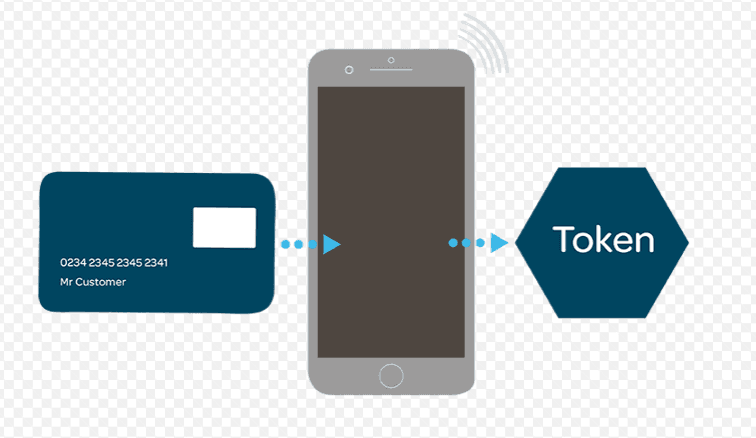
Token types vary depending on the verification method used in a transaction. In offline transactions, general checks are performed by the mobile app and card reader without any verification in the card system. In online transactions, token verification is sent to and verified by the issuer.