Recently the following news story appeared in the papers. There were two interesting aspects to it: first, that the hacker was a former banker; second, the device he used to clone cards. Especially in banking-related fraud cases, the fact that fraudsters know the ins and outs of the business shows that they will have no trouble setting up schemes that customers cannot detect.
Let's read the story together:
Hakan Karacaoglu, a former banker who was sentenced to 377 years in prison for cloning the card details of millions of people and was wanted on 11 charges, was caught red-handed in an operation carried out in Beykoz, Istanbul.
Hakan Karacaoglu, who had been living in Batumi for 8 years, secretly came to Istanbul because of his child's health problem. Cyber police determined that Karacaoglu was in Beykoz. Hakan Karacaoglu was taken into custody while driving his car. A fake ID card made with other people's identity information was found on Karacaoglu. After processing at the police station, Karacaoglu was referred to the courthouse, where he was arrested by the court.
Hakan Karacaoglu, a former banker alleged to have carried out a scam worth millions of liras by cloning the card details of thousands of people, had been sentenced to 377 years in prison, and the file had been sent to the Court of Appeals.
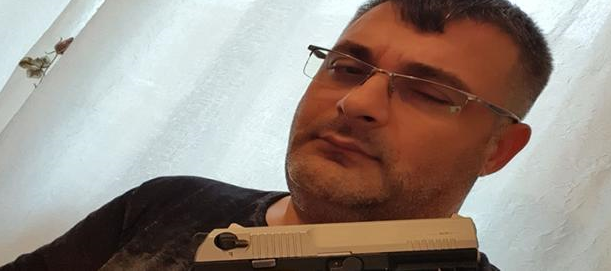
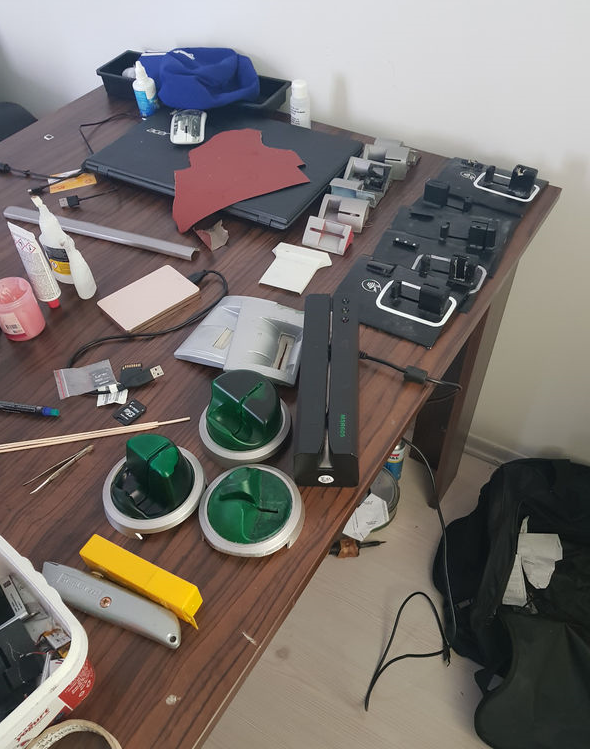
Known as 'Blind Hakan' because of his artificial left eye, Hakan Karacaoglu is among the most prominent hackers who know how to clone cards from ATMs. The device he developed, called the 'Deep Insert Skimmer', copies customers' card information without ever being noticed. According to the allegations, Karacaoglu had the molds for the device he developed, the 'Deep Insert Skimmer', made in China, and had its electronic system built in Bulgaria. He then sent these devices to criminal gangs in Turkey, Ukraine, Georgia, Bulgaria, and Indonesia.
The second interesting point in this story is the device the fraudster used, and the fact that he had manufactured it himself.
So what is the Deep Insert Skimmer device? How does it work? What are its features?
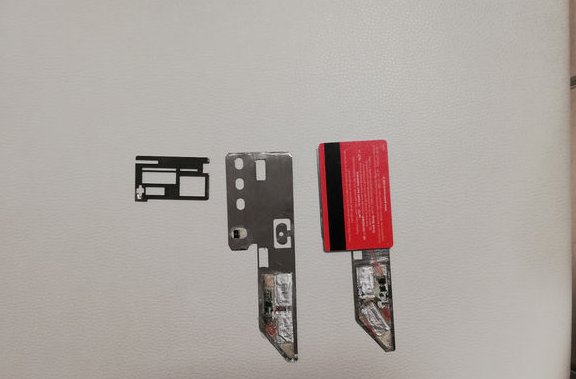
In short, the Deep Insert Skimmer device is a special card-cloning system placed inside the main body of an ATM. It is impossible to notice from the outside. It can only be detected if the ATM raises an alarm or if a bank employee looks inside the ATM.
The 'Deep Insert Skimmer' device is about 6.5 centimeters in size. It is a device that is easy to install in ATMs and very difficult to detect.
In our country, most of the fraudsters involved in ATM cloning are foreign nationals.
Below you can see a news story about a gang caught using a similar skimmer device. Even though the fraudsters in this story are different, the Deep Insert Skimmer device designed by Hakan Karaca once again takes the leading role.
It was determined that the Moldovans had taken lessons at the ATM from Bulgarians, who are experts in ATM fraud, and that they had brought the cloning device from abroad. It was understood that the device, called Deep Insert Skimmer, was impossible to detect because it was mounted 6 centimeters inside the ATM's card slot. It was established that the Moldovan gang cloned the cards in Istanbul, then went to Moldova, transferred the information on the cards to cloned cards, returned to Turkey again, and withdrew the money. After questioning at the police station, the 4 Moldovans were referred to the courthouse, where they were arrested and sent to prison.
Both the events described in these news stories and the new fraud cases that emerge every day make it essential for us, as citizens, to be very careful when using ATMs and other channels, and to stay alert against possible fraud before, during, and after a transaction.
So what kind of precautions can we take against this type of cloning?
- We can withdraw cash from the ATM using a QR code.
- We should withdraw cash from ATMs that we regularly use and that are well lit.
- Instead of withdrawing small amounts frequently from ATMs, we can withdraw larger amounts less often.
- During PIN entry at the ATM, we can cover the keypad with our hand in case anyone or any device is watching.