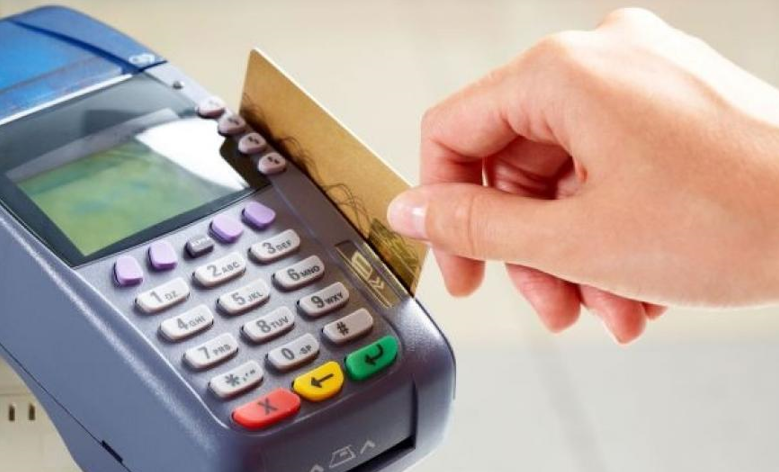
A fallback transaction is one where, because the chip data on a chip card cannot be read — due to an issue with the chip itself or the card being inserted incorrectly into the POS — the transaction is instead completed by swiping the card's magnetic stripe through the magnetic reader on the right side of the POS.
Can a fallback transaction be done with a chipless card?
No, a fallback transaction cannot be done with a chipless card. For a card to be able to do a fallback transaction, it must have a chip, and the merchant must have fallback authority enabled.
How do banks approach fallback transactions?
While fallback transactions are essential for situations like a chip card's chip failing to read, because there is a risk of fraud when a chip card's magnetic stripe is read instead, banks generally only enable fallback authority for merchants they consider trustworthy. For merchants considered risky, fallback authority is generally kept disabled, and fallback transactions cannot be done at risky merchants.
Can a card itself be closed off from fallback transactions?
- From the issuer's side: banks generally do not manage fallback authority on a per-card basis. They either close off fallback transactions entirely, or leave them open.
- From the acquirer's side: enabling/disabling fallback authority is managed on a per-merchant (POS) basis.
So fallback authority is managed as a separate authority. Is that correct?
Yes, that's correct. Fallback authority is managed on a POS basis and a merchant basis. While a merchant may have fallback authority, some of the POS terminals tied to that merchant may have fallback authority while others may have it disabled.