With Chip&Pin technology, card PINs and chip-based transactions became widespread. However, as technology advanced and shopping began to move online, increasing the security of these transactions became a necessity. Transaction security in this area started to be provided through OTP.
So what is OTP?
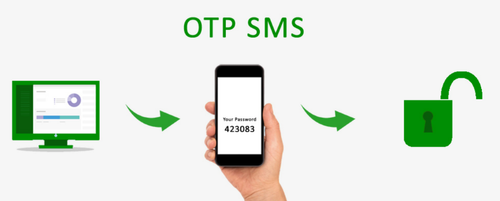
OTP, short for One Time Password, refers to a single-use password that is valid for a limited period of time.
The main purpose of OTP, regardless of where it is used, is to prevent fraud and unauthorized use. For most online shopping, ticketing, internet banking, reservation, and membership login transactions, instant SMS messages are sent both at login and for notification purposes after a transaction is completed.
However, since its primary use is to prevent unauthorized use and fraud, OTP is especially prominent in banking and fintech. The verification codes we all receive today when logging into internet banking are a good example of this.
From a Payment Systems perspective, the most common use of OTP is the verification code sent to the cardholder's mobile phone number on file with their bank during an online payment transaction, also known as 3D Secure.
So, if I share an OTP code sent via SMS with someone else, am I responsible for that transaction?
Yes, we are responsible. This is the subject of another article, which you can reach from the link below.