Skip to content

Search

"credit card security"

137 articles found

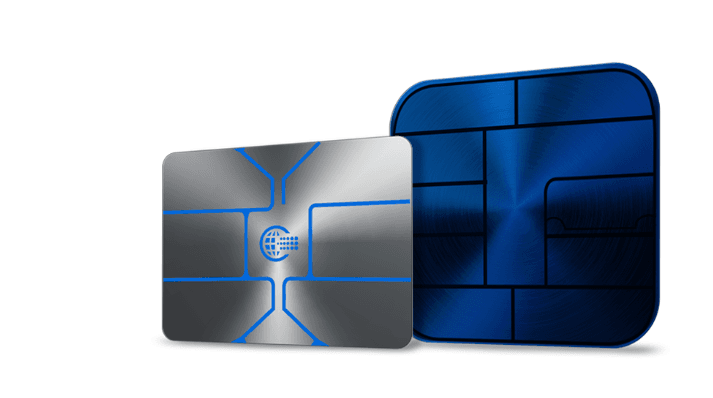
Illustration of EMV chip card technology used in VSDC and M/Chip-Lite applications

Credit Card

What is VSDC (Visa Smart Debit Credit) and M/Chip-Lite?

EMV chip cards contain a small, powerful microprocessor that provides enhanced security, faster transactions, and support for loyalty programs. VSDC is Visa's chip-based solution; M/Chip-Lite is Mastercard's low-cost equivalent for banks starting their chip migration.

Illustration showing a margin added to a foreign currency exchange rate

Merchant & POS

What Is a Marked-Up Exchange Rate?

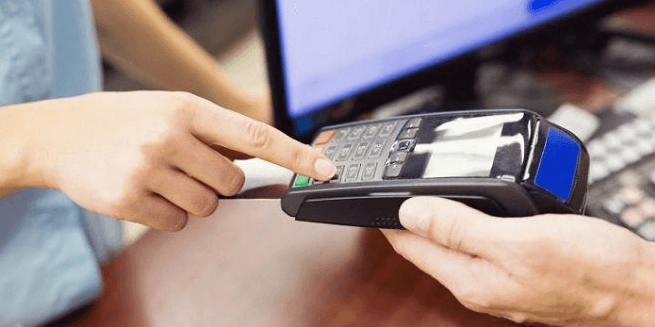
In payment systems, exchange rate information is used in two places: POS devices that support foreign currency transactions, and credit card transactions made in a foreign currency (usually abroad).

Amazon PayCode cash payment option

E-commerce

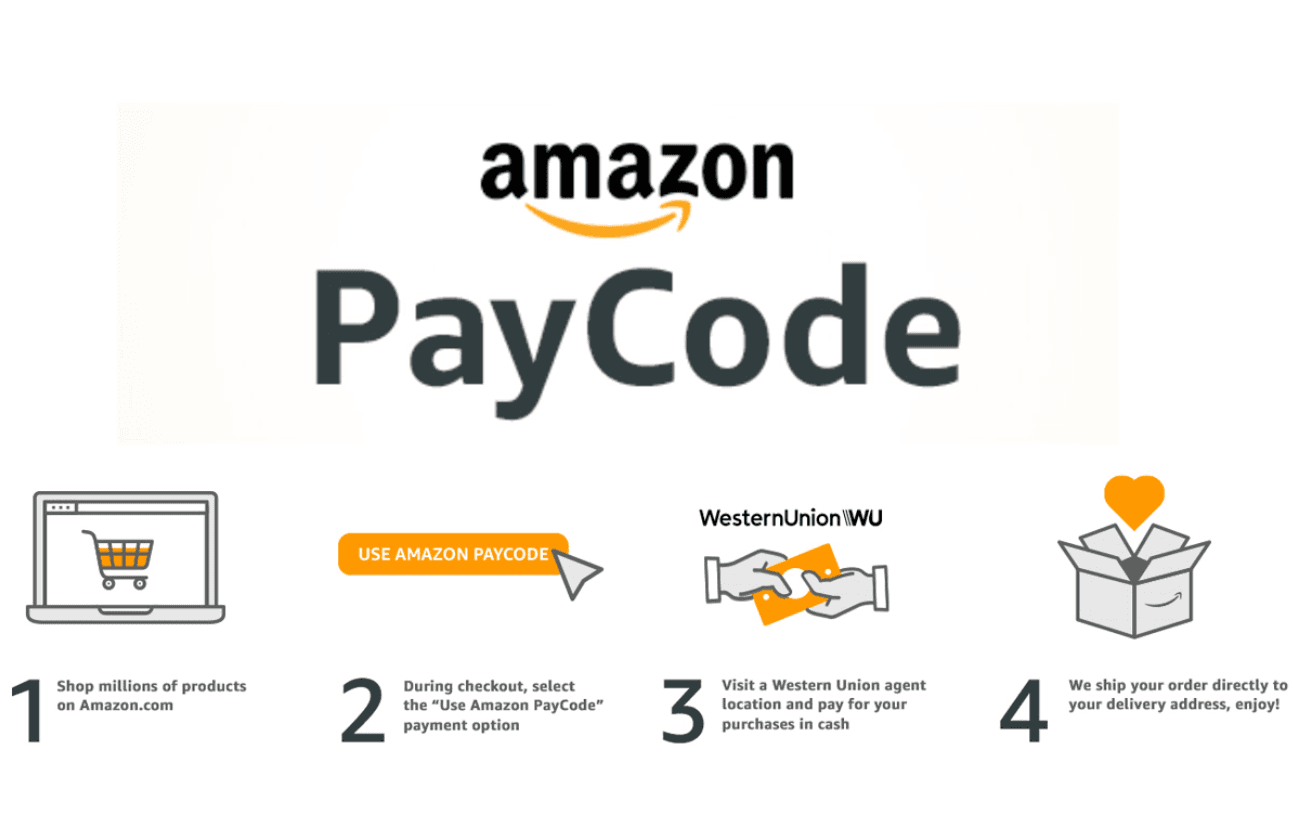
What Is Amazon PayCode?

Amazon PayCode is a payment option that lets customers pay for Amazon orders in cash: after checkout they receive a code and pay at a participating Western Union agent location.

Illustration of personal data protection under the Turkish Personal Data Protection Law (KVKK)

Merchant & POS

What is the Personal Data Protection Law (KVKK)?

The Personal Data Protection Law was adopted by the Grand National Assembly of Turkey on 24/03/2016 and published in Official Gazette No. 29677 on 07/04/2016. It protects individuals' rights in the processing of personal data and sets the rules that data controllers must follow.

Credit card showing CVV security code location

Credit Card

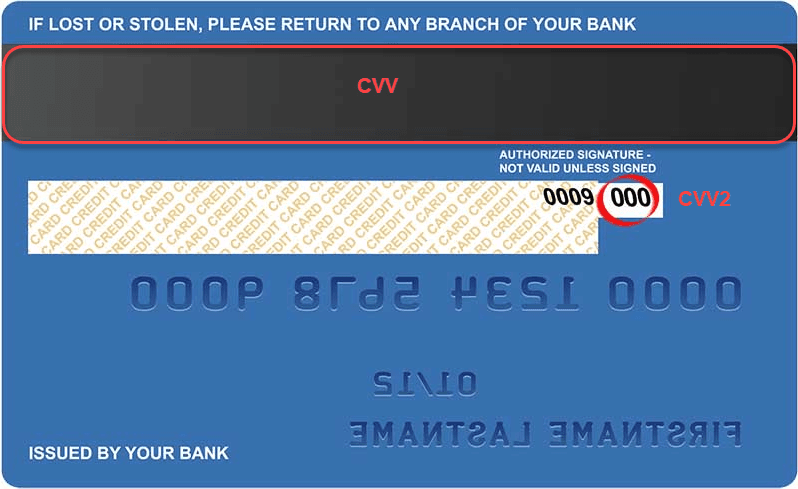
Can a Card Have CVV Printed on Both Sides?

Yes. American Express cards have a 4-digit CVV on the front and a 3-digit CVV on the back, like other cards. Here's how payment forms should handle both formats and why logging the security code is never allowed.

Credit cards inside an open wallet

Merchant & POS

Who is liable for a transaction made without a PIN?

Almost all of us carry at least one credit card. Imagine losing your wallet with all your cards inside, and someone with bad intentions finding it and using the cards without a PIN. Who bears the responsibility?

E-commerce card data storage and security

Credit Card

Can E-Commerce Sites Store Card Details?

Legally, e-commerce sites should not store card details in their own systems; they should only use them when sending transactions. Unfortunately, some sites do not follow this rule.

Diagram illustrating the soft chargeback retrieval request process between cardholder, issuer and merchant

Chargeback

What Is a Soft Chargeback?

A soft chargeback, also called a retrieval request, is a request for documents about a transaction the cardholder does not recognize. Learn why customers request them, what information merchants should provide, and why a fast response matters.

Diagram illustrating the retrieval request process in card transactions

Chargeback

What is a Retrieval Request?

A chargeback is when cardholders dispute a transaction made without their knowledge through their card-issuing bank. So what does a Retrieval Request mean? It is essentially a document request related to transactions a cardholder does not recognize on their statement.

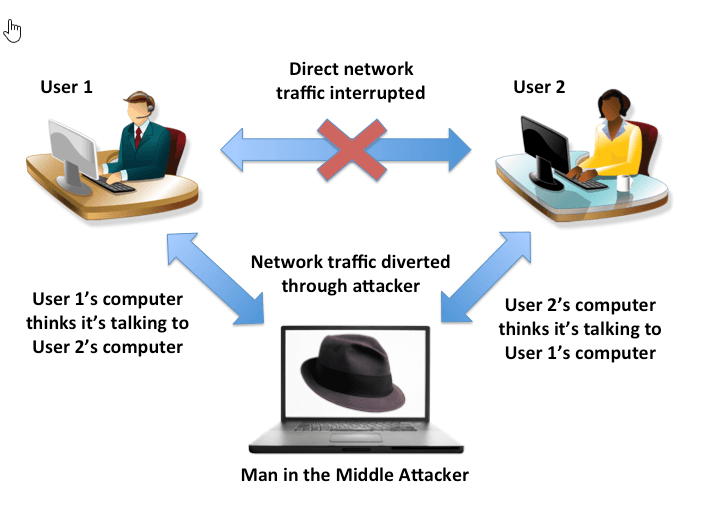
Diagram illustrating a man-in-the-middle attack intercepting communication between a client and a server

Fraud

What is a Man-in-the-Middle Attack (MITM)?

A man-in-the-middle attack is a method in which an attacker inserts themselves between the server and client to intercept users' information, steal passwords, and gain access to accounts on a local network. This fraud mostly occurs over public internet connections.