In payment systems, exchange rate information is used in 2 places:
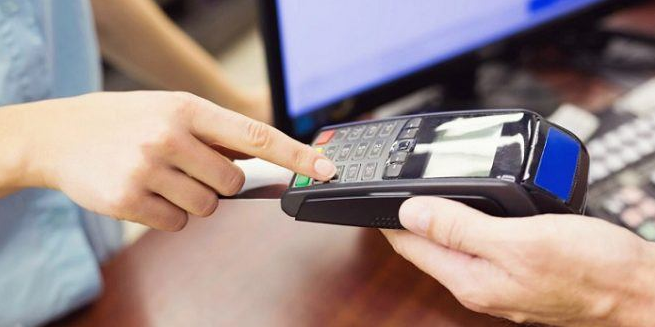
- In POS devices that support transactions in foreign currency
- In credit card transactions made in a foreign currency (generally card transactions made abroad)
So what is a margin?
By definition, a margin is an advance payment made in futures and foreign exchange markets - such as a futures contract - that is entered into today but delivered in the future, in order to secure the contract.
How is margin used in payment systems?
Especially in transactions made abroad with a bank's credit/debit card at a foreign ATM/POS, the transaction is carried out in the currency of the country where it takes place, while the actual transaction amount (transmitted in dollars) arrives in the clearing file one day later. Because the conversion from the original currency to the dollar-denominated currency may happen at a different time than when it arrives in the clearing file, banks add a certain spread to the exchange rate conversion on foreign transactions to cover possible rate fluctuations (usually around 1%). This added spread is called the margin.
So is margin applied to all ATM and POS transactions made abroad?
Banks generally apply margin to ATM transactions, but do not apply margin to POS transactions.
Does every bank apply margin?
Some banks accept the risk and process customer transactions at the original exchange rate parity instead of the marked-up rate.
Doesn't customer dissatisfaction arise when transactions are processed at a marked-up rate?
The likelihood is high. If banks show the margin-related difference to the customer as a separate line item, customers will be able to more easily understand the extra amount charged to them, and potential dissatisfaction can be reduced.