Skip to content

Search

"payment authorization"

183 articles found

Diagram illustrating the soft chargeback retrieval request process between cardholder, issuer and merchant

Chargeback

What Is a Soft Chargeback?

A soft chargeback, also called a retrieval request, is a request for documents about a transaction the cardholder does not recognize. Learn why customers request them, what information merchants should provide, and why a fast response matters.
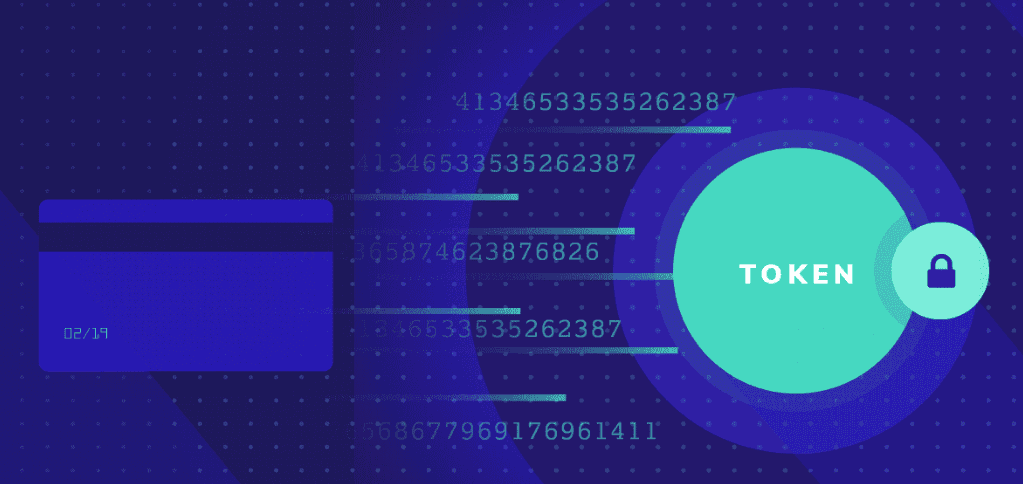
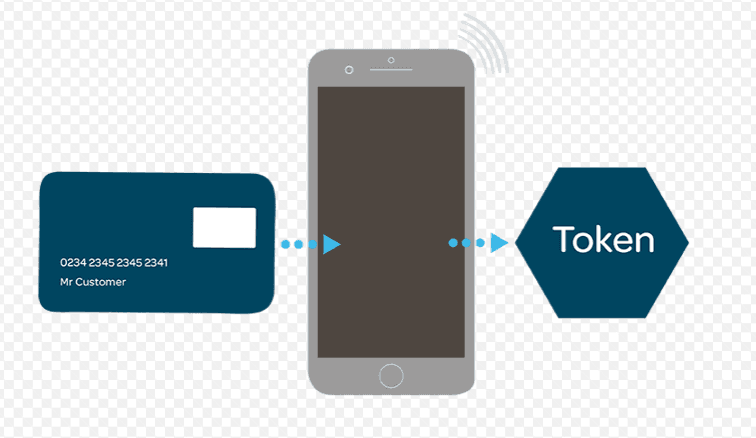
Diagram illustrating the tokenization and detokenization process for card payments

HCE

What Are Tokenization and Detokenization?

Tokenization generates secure data from a credit card number, using specific algorithms, for use during authorization. In CNP transactions, it removes the risk of storing or compromising the original card number.

Diagram of the chargeback process between cardholder, issuer and acquirer

Chargeback

How to Reduce Chargebacks (For Cardholders)

A chargeback is when a cardholder asks the issuing bank to refund a transaction made without their knowledge. It cannot be prevented entirely, but simple precautions can minimize the risk. Here is how the process works and what cardholders should do.

Bill payment intermediation services illustration

Payment Institutions & E-Money

Who Can Act as an Intermediary for Bill Payments?

Bill payment intermediation is a payment service under Law No. 6493. Only the CBRT and payment service providers, namely banks, electronic money institutions, payment institutions and PTT, can offer it.

Diagram comparing the three levels of payment-card tokenization: static, semi-dynamic and dynamic

HCE

What Are the Levels of Tokenization?

Generating a token from the card number is essential to the security of payments made with mobile devices. The level of tokenization used depends on the need and on how critical the token is. Static tokenization: the token is generated once and stored in a database.

Diagram of the ISO 8583 field F45 Track 1 data structure

ISO 8583

ISO 8583 Field Descriptions (F45)

F45 (TRACK-1 DAT) carries the Track 1 data of the card in ISO 7813 format, including field separators and start and end sentinels but excluding the LRC character. It is 76 characters long.

New BIN card product launch process

Credit Card

What Happens When a Product Is Launched Under a New BIN?

When banks launch a new card product, they can do it under an existing BIN or a new one. A new BIN requires much more work: BKM announces it, every bank defines it and every POS has to download it.

E-commerce card data storage and security

Credit Card

Can E-Commerce Sites Store Card Details?

Legally, e-commerce sites should not store card details in their own systems; they should only use them when sending transactions. Unfortunately, some sites do not follow this rule.

BKM Express digital wallet screen

E-commerce

Will BKM Express Continue to Exist?

BKM Express has pioneered card storage and digital wallets in Turkey. After the Competition Authority's termination decision, a Board decision revoked it, so BKM Express will continue. Here is the latest situation.

Diagram illustrating card fraud and forgery in card payments

Security

What Is Forgery in Card Payments?

Forgery in card payments means transactions made with card details without the cardholder's knowledge, or purchases with counterfeit or stolen cards. Merchants cannot eliminate fraud and chargeback risk, but they should aim to reduce it to reasonable levels.

Credit card and smartphone illustrating online card payments without physically presenting the card

Credit Card

Do I have to use my physical card when shopping?

In the early years of credit cards, using the card physically was mandatory. With the internet and new technologies, we can now pay with only the card details, 3D Secure and contactless NFC payments, even without the card in hand.