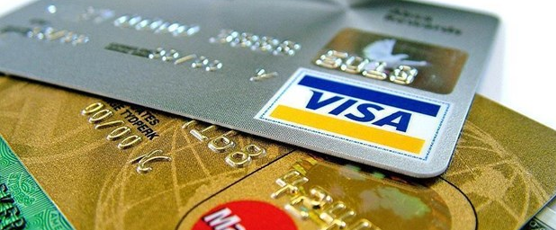
Banks increase the variety of their products and services every day to serve their customers better. When they want to offer customers different features by launching a new card product (for example, a card with no card fee), they can do this in 2 ways.
- By offering a new product under the same BIN
- By offering a new product under a new BIN
When a product is offered under the same BIN, there is not much change in how the systems work. The product's features are managed with product-based controls in the issuing bank's system.
But when a product is launched under a new BIN, there is a lot of work to be done.
- BKM announces the new BIN and the issuing bank to all banks in the country with a bulletin.
- All banks define the new BIN in their authorization system (host), ATM and POS systems.
- POS banks send a parameter download command to all their POS terminals.
- POS devices receive this command, download the parameters and take on the relevant BIN information.
The impact of a new BIN on systems
An allocation for the new BIN is obtained from the scheme, and it is then defined in the bank's systems. The BIN tables of POS terminals, ATMs, virtual POS and payment gateways are updated.
If these updates are not made, new cards may be classified incorrectly or declined. Merchants must also reconfigure their installment and campaign definitions for the new BIN.
Launching a product under the same BIN requires less work, but more in-house control is needed at the bank to distinguish the products.