Skip to content

Search

"transaction processing"

317 articles found

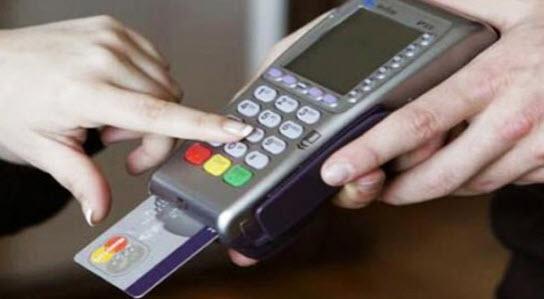
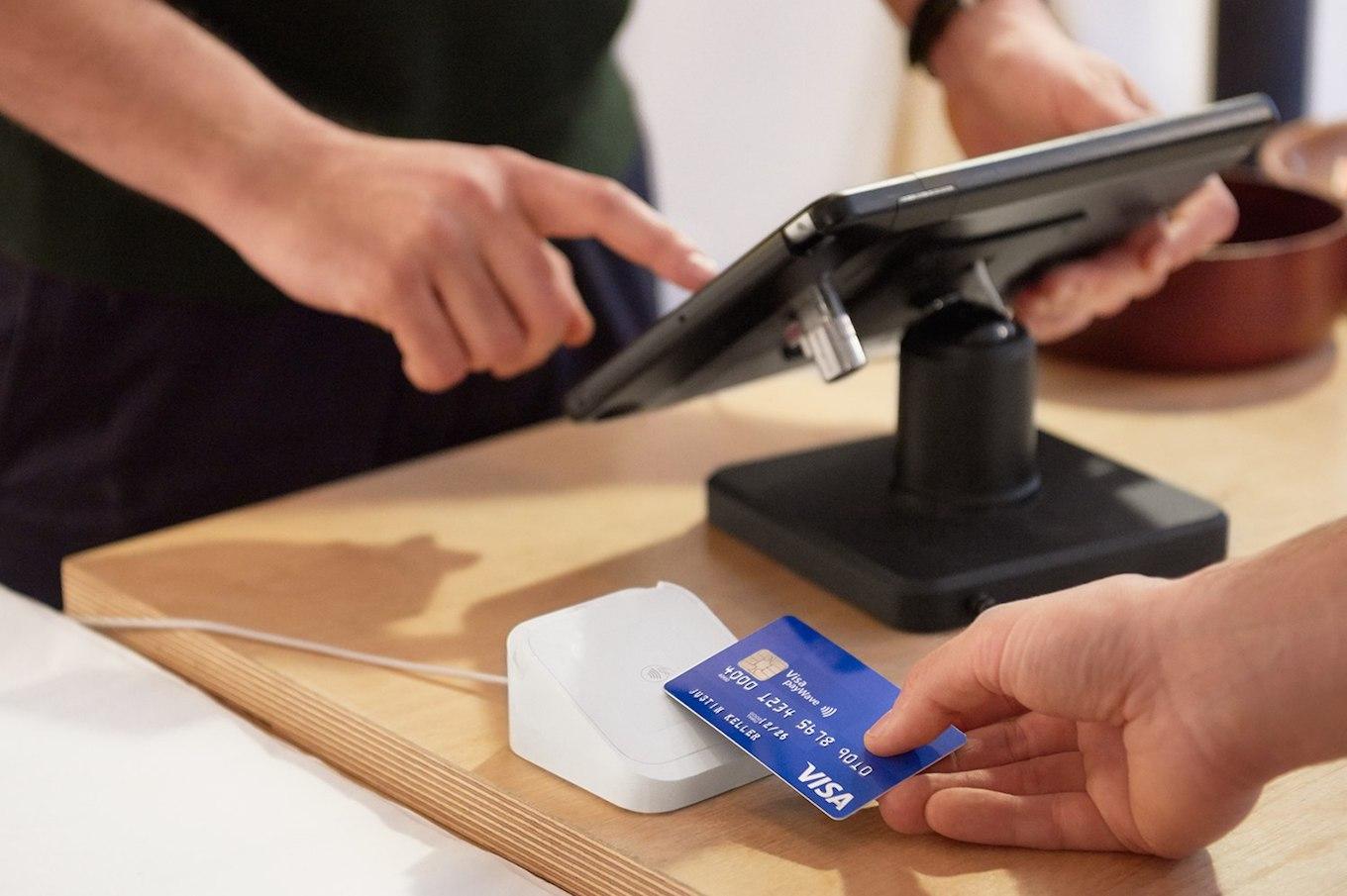
POS terminal device used for processing card payments

Merchant & POS

What is MIV (Central Merchant Database)?

MIV stands for Central Merchant Database. The MIV Module collects information on merchants across Turkey and the TRNC that have card acceptance agreements with BKM members, and assigns each merchant a unique number for tracking purposes.

Close-up of a credit card, illustrating a transaction pending in open authorization

Merchant & POS

Can an Open-Authorization Transaction Be Cancelled?

Open authorization covers the period between authorization, POS batch close, the bank's end-of-day process, and clearing. Learn which steps allow cancellation versus refund, and what a cardholder should do.

Diagram showing 3D Secure, Half 3D Secure, and Non-3D Secure transaction flows based on VERes and PARes response codes

Payment Systems

What is a Half 3D Secure transaction?

A Half 3D Secure transaction is, in short, the term used when the merchant supports 3D Secure but the card does not. Can such transactions occur as 3D Secure/Half Secure when the merchant does not support 3D Secure? A transaction started without the 3D process is treated as Non-Secure.

Diagram illustrating account-to-account (A2A) payment flow between banks

Online & Authorization

What are A2A (Account-to-Account) Payments?

Account-to-account (A2A) payments can be described as making a payment by transferring money from one bank account to another. Though similar to wire transfer/EFT, combining the transfer with the payment creates a seamless experience.

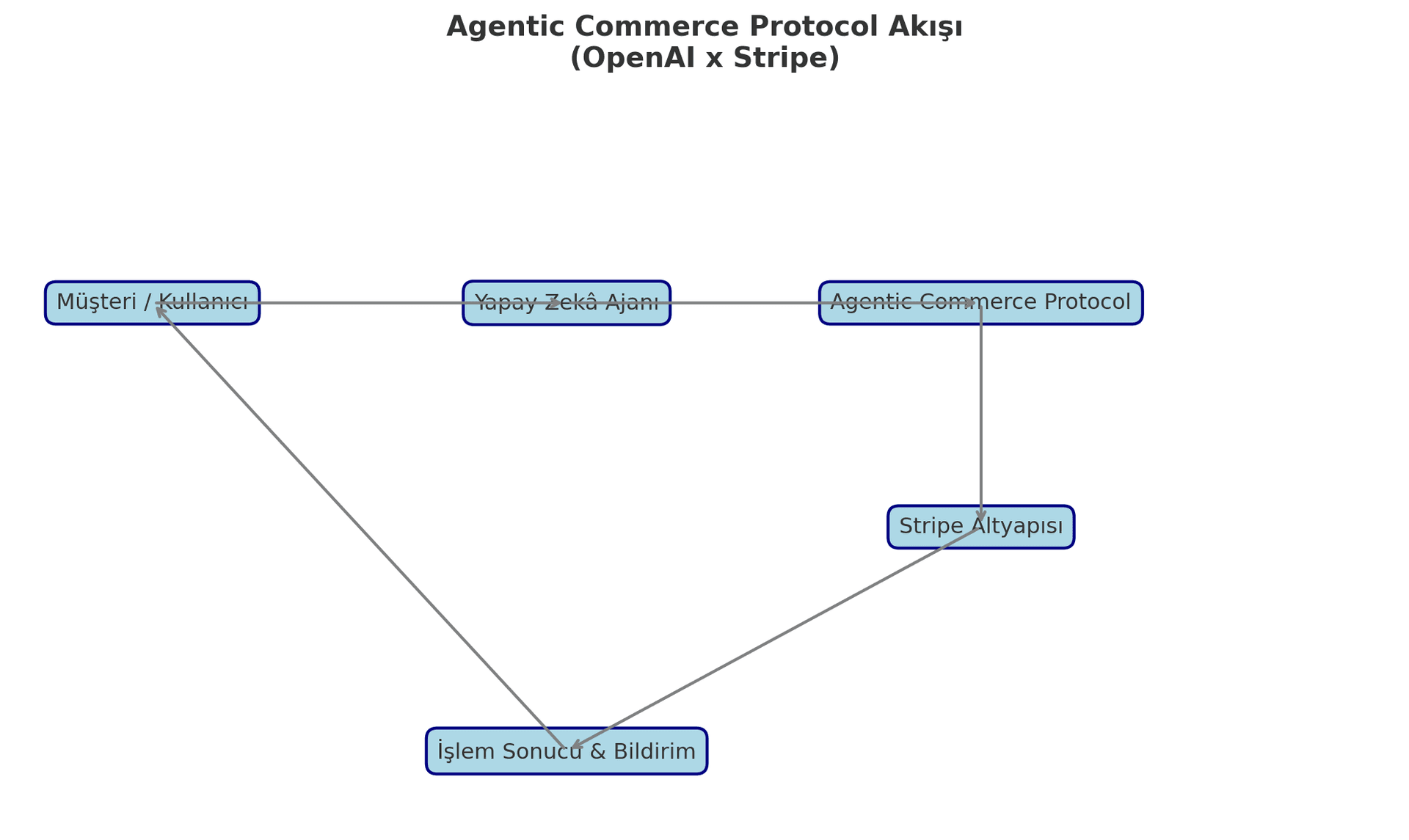
Illustration of AI agents connecting to payment infrastructure through Agentic Commerce Protocol

Payment Systems

What Is Agentic Commerce Protocol? How Does It Work?

Agentic Commerce Protocol (ACP) is a next-generation protocol that lets AI agents integrate directly into commercial processes such as payments, orders, refunds and subscriptions. This post explains how it works and what it offers businesses.

Diagram of an e-money institution and the services it can provide under Law No. 6493

Payment Institutions & E-Money

What Is an E-Money Institution? Which Services Can It Provide Under Law No. 6493?

The Law defines e-money as monetary value issued in exchange for funds accepted by the issuer, stored electronically, used for payment transactions and accepted as a payment instrument by persons other than the issuer. This post explains e-money institutions and the services they may provide.

Diagram of a first credential-on-file transaction using stored card data

Security

What is the First Credential-On-File transaction?

The first transaction made after a customer's card data is stored with a merchant is called the First Credential-On-File transaction. BKM expects it to be flagged with the value "C" in switch message field DE48.PDS86, and BRSA draft rules govern how card data may be stored.