Skip to content

Search

"Digital Payments"

152 articles found

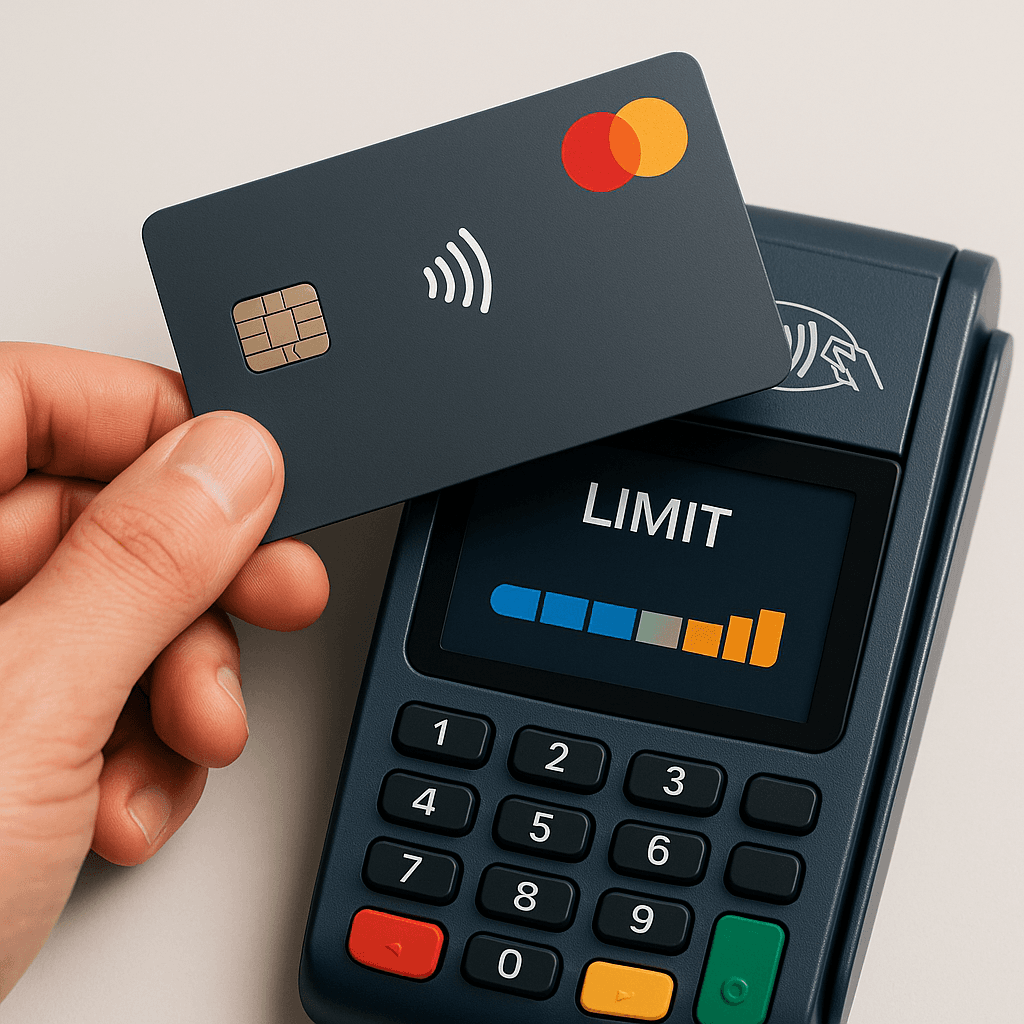
Illustration of dynamic CVM limit management for contactless card payments

Payment Systems

Dynamic CVM Limit Management Approach: A New Era in Card Security

One of the most notable recent developments in card payments is that contactless limits are no longer fixed and can be managed dynamically per customer. Mastercard and Visa are taking different but complementary approaches, and ISO 8583 may need to evolve with them.

Bitcoin coin symbol illustrating the first cryptocurrency

Cryptocurrency

What Is Bitcoin?

Bitcoin is a digital currency launched experimentally in 2009 by Satoshi Nakamoto. It has no ties to any central bank, can be bought and sold with national currencies and can be transferred without any intermediary.

Illustration representing Merchant Category Code classification for card transactions

Merchant & POS

What Does a Restricted/Prohibited MCC Mean?

The MCC code, or Merchant Category Code, is a 4-digit code used to classify merchants. Some MCC codes are restricted or prohibited, and POS terminals or card transactions may be blocked when such a code is used.

Customer paying credit card debt through a mobile banking app

Credit Card

How do I pay my credit card debt?

In the past, banking could only be done at branches, but with technology, customers can now check and pay credit card debt through ATMs, branches, internet banking, mobile banking, and the PTT post office.

Diagram showing the structure of ISO 8583 field F48 (Additional Data)

ISO 8583

ISO 8583 Field Descriptions (F48)

DE 48 - ADDITIONAL DATA: these are additional data fields that can be used specifically for transactions. It is 255 characters long. Field F48 carries many pieces of information and is divided into PDS (Private Data Subelements).

Diagram illustrating how bank fraud detection systems analyze transactions

Fraud

How Do Fraud Applications Work?

Fraud management is used to detect possible fraud on customer accounts and provides additional security for transactions when necessary, making it one of the top priorities for banks.