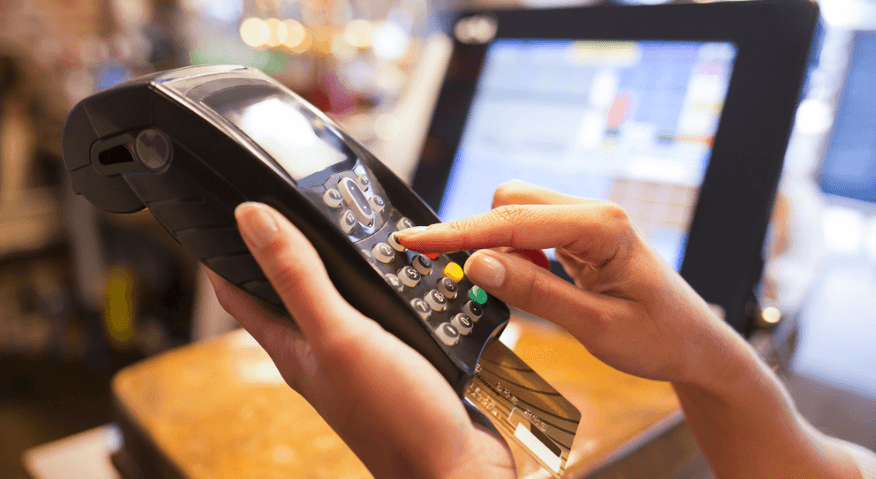
Merchant & POS
Don't Dismiss the POS Receipt
In daily credit card purchases, the POS produces two receipts: the Customer Copy and the Merchant Copy. The cardholder gets the customer copy; the merchant keeps its own copy by law.
Search
217 articles found
Merchant & POS
In daily credit card purchases, the POS produces two receipts: the Customer Copy and the Merchant Copy. The cardholder gets the customer copy; the merchant keeps its own copy by law.

ISO 8583
F42 - CARD ACCEPTOR IDENTIFICATION CODE: the merchant number of the terminal where a transaction took place. It is a 15-character alphanumeric value. Transactions are settled to the merchant's account based on the merchant number in this field.
Credit Card
In the early years of credit cards, using the card physically was mandatory. With the internet and new technologies, we can now pay with only the card details, 3D Secure and contactless NFC payments, even without the card in hand.
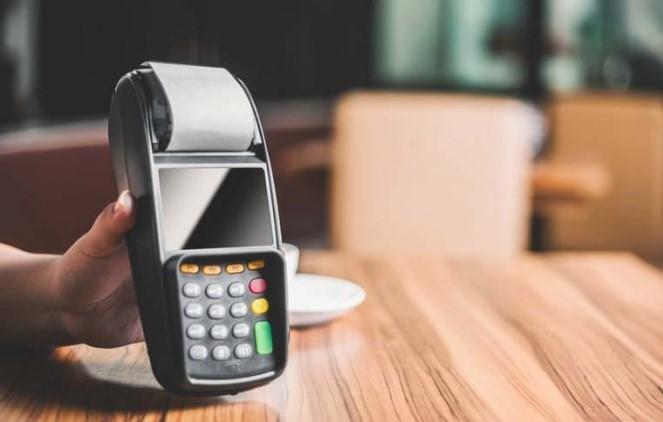
Merchant & POS
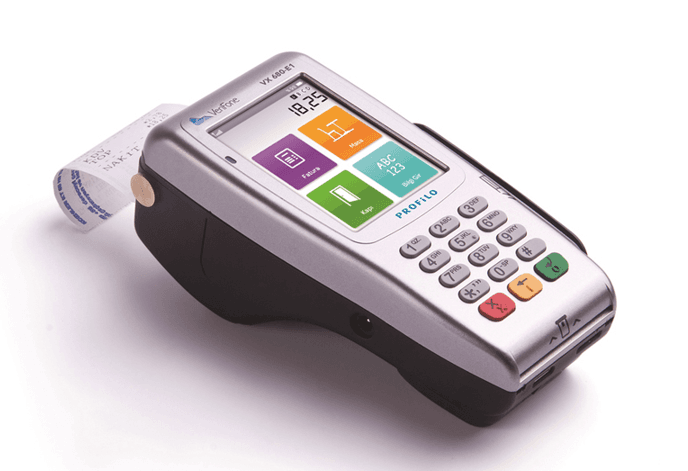
A POS is a functional device with its own dedicated software, customized to the authorization system of the bank it is connected to, that accepts credit or debit cards. The POS and the authorization system communicate using the ISO 8583 standard.
Payment Systems
Online PIN is verified by the card-issuing institution through the message itself, while Offline PIN is verified on the chip. This article explains the difference and when PIN bypass is allowed.
ISO 8583
F45 (TRACK-1 DAT) carries the Track 1 data of the card in ISO 7813 format, including field separators and start and end sentinels but excluding the LRC character. It is 76 characters long.

Fraud
With the growth of credit and debit card usage and rising e-commerce transaction volumes, there has been a serious increase in exploiting user negligence to harm customers. Fraud means using someone else's card at a merchant or ATM to gain unjust profit.
Security
The first transaction made after a customer's card data is stored with a merchant is called the First Credential-On-File transaction. BKM expects it to be flagged with the value "C" in switch message field DE48.PDS86, and BRSA draft rules govern how card data may be stored.
Merchant & POS
MCC stands for Merchant Category Code: a 4-digit code used to classify merchants by business type. Codes differ slightly between Mastercard, Visa, and BKM.

FAST
The CBRT has raised the FAST transaction amount limits. As of 4 April 2024, the limit is 100 thousand TL for money transfers and 250 thousand TL for merchant payments made with the FAST-TR QR code.
ISO 8583
The card's Track 2 data is carried in this field. Track 2 data contains information such as the card number, expiry date and service code.

Payment Systems
Below is information on the products found in the Visa and MasterCard systems and their associated product codes, listed under Product ID (cardProductId).