Skip to content

Search

"merchant bank"

244 articles found

Stand-in authorization flow diagram

Credit Card

What is Stand-In Authorization?

In the standard authorization flow, the transaction is initiated by the acquirer (POS bank) and forwarded to the issuer (card-issuing institution). The process is completed once the issuer responds. However, this isn't always possible; when the issuer fails to respond, BKM steps in...

3D Secure opt-out online payment illustration

Merchant & POS

What Is Opt Out?

In online transactions, Opt Out is the cardholder exercising the right not to enroll in 3D Secure. It is not unlimited: only as many transactions as the issuer allows can be made without 3D Secure.

BKM Central POS Database (MPV) illustration

Merchant & POS

What Is MPV (Central POS Database)?

MPV stands for Merkezi POS Veritabanı (Central POS Database), BKM's shared database of all POS terminals operated by its card-accepting members, used for support, statistics, fraud analysis and the Common POS Management System.

Diagram showing how pre-authorization blocks a card's available limit

Credit Card

Which Cards Can Be Used for Pre-Authorization?

Pre-authorization reduces the merchant's risk by blocking part of the card's limit for a set period. Since a credit card has a defined limit, an amount can be blocked against it. ATM cards and prepaid debit cards have no such limit to block.

Illustration representing the DCI debit credit indicator distinguishing card types in a transaction

Credit Card

What Is DCI (Debit/Credit Indicator)?

DCI (Debit/Credit Indicator) is a flag that shows whether a transaction was made with a credit card or a debit card. With the arrival of prepaid cards, it began to be used as DCPI (Debit/Credit/Prepaid Indicator). Is DCI sent in the authorization message?

Diagram showing the pre-authorization closing process flow on a POS terminal

Merchant & POS

What Is Pre-Authorization Closing?

Pre-authorization closing turns a pre-authorized transaction into a financial one, posting it to the merchant and cardholder accounts. See how amounts and available limit are affected.

Credit card campaign banner promising reward points for repeated purchases

Credit Card

How Should We Approach Time-Limited Campaigns? (1)

Time-limited credit card campaigns look attractive, but their rules hide pitfalls. Three real-world cases show why transactions fail to count toward points, and how to avoid it by reading the terms carefully.

A POS terminal screen for changing the batch number

Merchant & POS

How to Change the POS Batch Number

The batch number is kept on the POS, incremented by 1 at each end of day, used to transfer transactions to the merchant account and for reconciliation. It's tracked on both the POS and the bank's system.

Illustration representing a POS batch number counter

Merchant & POS

What Is a Batch Number?

The batch number is kept on the POS, incremented by 1 at each end of day, used to transfer transactions to the merchant account and for reconciliation. It's tracked on both the POS and the bank's system.

Diagram showing payment systems components managed in-house by a bank

Merchant & POS

What Is 'In-house' in the World of Payment Systems?

In-house is a term widely used in the world of payment systems. It means that payment systems applications are managed end-to-end within the bank's own systems, both in terms of code and process.

EMV chip card illustration

Online & Authorization

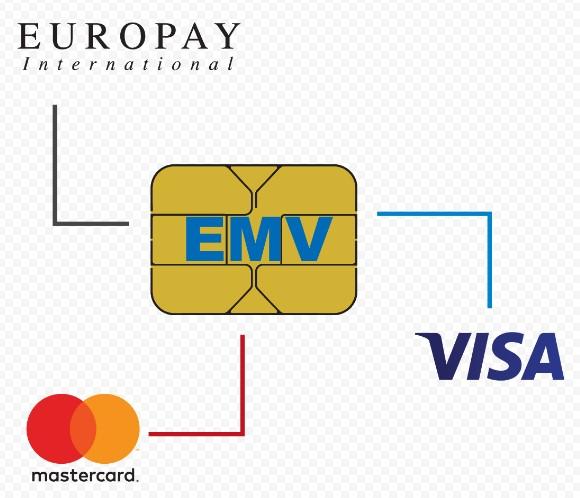
What is EMV?

EMV stands for Europay, Mastercard and Visa. In 1994 these companies formed a working group to set chip-card standards, leading to the EMV standards used worldwide today.