Skip to content

Search

"POS"

316 articles found

Illustration showing the reasons a bank may terminate a merchant agreement

Merchant & POS

Under What Circumstances Is a Merchant Agreement Terminated?

Banks check merchants against a termination list before issuing a POS device. Learn the main reasons, such as counterfeit card acceptance, excessive chargebacks, and fraud, that can lead a bank to terminate a merchant agreement.
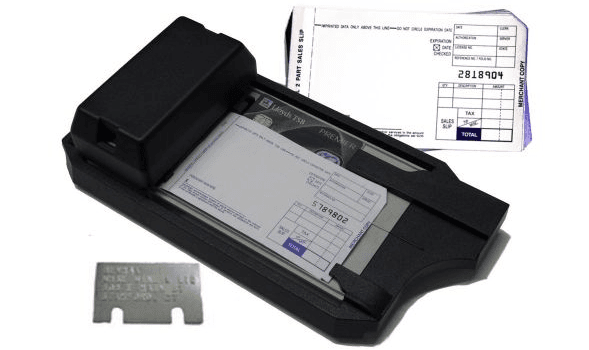
Old mechanical credit card imprinter machine used to transfer embossed card details onto a sales slip

Merchant & POS

What Is an Imprinter?

An imprinter is the name given to devices that transfer all the information embossed on a credit card onto a paper sales receipt. Before POS terminals, it was commonly used by merchants for authorization transactions.

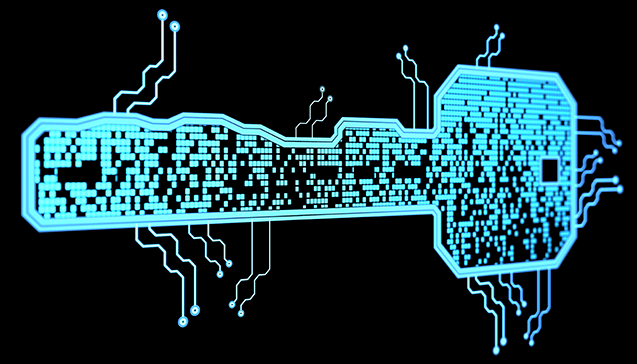
Diagram showing how a Message Encryption Key (MEK) is used to encrypt and transmit a message

Merchant & POS

What Is Message Encryption Key (MEK)?

MEK stands for Message Encryption Key, a randomly generated or static key used to encrypt message content and ensure its secure transmission between parties.

Table listing ISO 8583 Field 25 (POS Condition Code) values

ISO 8583

ISO 8583 Field Descriptions (F25)

F25 - POINT OF SERVICE (POS) CONDITION CODE is the field that defines the condition under which a POS transaction was performed. Possible values include 00 Normal presentment, 01 Customer not present, 02 Unattended terminal, and more.

Illustration representing a bank-owned POS device rented to a merchant

Merchant & POS

What is the Merchant Rental Fee?

When any sole proprietorship or commercial business applies to become a merchant, banks install a POS device, paying significant amounts to purchase each one, then rent the devices to merchants.

Illustration representing credit card fraud and online payment security risks

Fraud

What is Fraud? What are the Types of Fraud?

With the growth of credit and debit card usage and rising e-commerce transaction volumes, there has been a serious increase in exploiting user negligence to harm customers. Fraud means using someone else's card at a merchant or ATM to gain unjust profit.

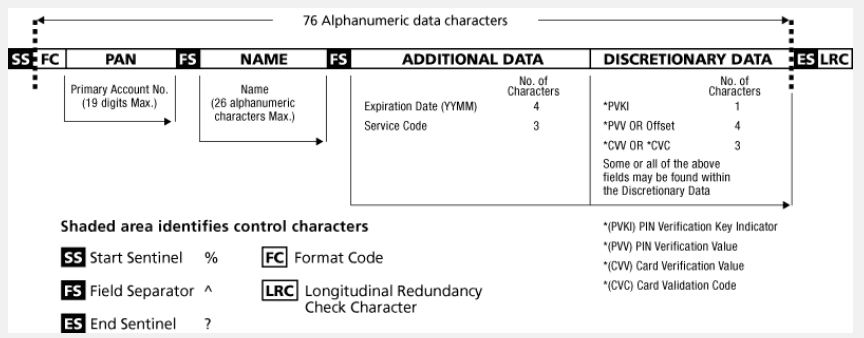
Diagram illustrating the Track 1 data structure and field layout on a magnetic stripe card

Credit Card

What is Track 1?

Track 1 is a special data set encoded on a card's magnetic stripe that contains the card information required for authorization when the card is used physically. It includes the cardholder name, card number, and expiration date.

Diagram explaining ISO 8583 field 11 (STAN)

ISO 8583

ISO 8583 Field Descriptions (F11)

DE 11 - SYSTEMS TRACE AUDIT NUMBER: A 6-digit unique numeric value generated by the message originator, enabling unique tracking of the transaction. How is STAN generated?

ISO 8583 field table showing the F38 authorization identification response field

ISO 8583

ISO 8583 Field Descriptions (F38)

DE 38 (AUTHORIZATION IDENTIFICATION RESPONSE) is the authorization code generated when a transaction is approved. It is alphanumeric, 6 characters long, and left empty for declined transactions.

Merchant and bank settlement process for POS transactions

Merchant & POS

How do banks work with merchants?

After a merchant applies to a bank and the required checks on the company are completed, a POS is connected to the customer. Settlement can be commission-based, held for a period, or both, depending on the agreement.

Diagram of basic payment systems terminology including issuer, acquirer, and authorization

Payment Systems

Basic Terms Used in Payment Systems

Although many important terms are used in payment systems, the expressions below are its cornerstones — the ABCs of payment systems, so to speak. Issuer: the credit card company, usually a bank, that issues the card and tracks debt, credit, bonus points, and other services for the customer.