Skip to content

Search

"card systems"

345 articles found

Diagram of a partial authorization where an issuer approves only part of the requested amount

Merchant & POS

What Are the Partial Authorization Requirements for an Acquirer Bank?

Partial authorization lets an issuer approve part of the requested amount when the card lacks the full balance, with the rest paid another way. This post covers the technical, receipt, clearing, reconciliation, merchant and certification requirements for acquirers.


Infographic of 2018 card payment statistics in Turkey published by BKM

Merchant & POS

2018 Payment Systems Scorecard

BKM (Interbank Card Center) shared 2018 developments in card payments and the cashless society goal in Turkey. The data shows card payments becoming a bigger part of daily life every year.

Diagram of ISO 8583 Field 2 (F2) card number structure

ISO 8583

ISO 8583 Field Descriptions (F2)

F2 is the Card Number field in ISO 8583, identifying the cardholder and issuing bank. This post covers its structure, the 8-digit BIN update, field format, first-digit scheme identification, and PCI DSS security requirements.

Diagram illustrating how netting works between two banks in the clearing system

Clearing

What Is Netting in the Clearing System?

In payment systems, a transaction made at a merchant or ATM with a card issued by a different bank becomes subject to clearing. Netting offsets each participant's receivables and payables from these transactions into a single balance.

Screenshot of the Official Gazette announcing Law No. 7192 on payment and securities settlement systems

Laws & Regulations

What Is Law No. 7192 and What Does It Include?

Law No. 7192 amends certain articles of Law No. 6493 on Payment and Securities Settlement Systems, Payment Services and Electronic Money Institutions. Announced on 22 November 2019, it entered into force on 01.01.2020.

Diagram of the Chargeback Document Management System (CDYS) process flow

Credit Card

What is the Chargeback Document Management System (CDYS)?

The Chargeback Document Management System (CDYS) is a system developed by BKM to resolve customer disputes over card payment transactions among BKM members, covering Copy Request, Chargeback, Representment, and related processes.

Close-up of a credit card, illustrating a transaction pending in open authorization

Merchant & POS

Can an Open-Authorization Transaction Be Cancelled?

Open authorization covers the period between authorization, POS batch close, the bank's end-of-day process, and clearing. Learn which steps allow cancellation versus refund, and what a cardholder should do.

Illustration representing recurring subscription payments with a credit card

E-commerce

What is Recurring Payment?

Transactions paid at regular intervals can be defined in the system so that only the installment amount blocks the credit card limit; these are called recurring transactions, used for subscriptions or automatic bill payments.

ISO 8583 field 34 primary account number extended

ISO 8583

ISO 8583 Field Descriptions (F34)

F34 — Primary Account Number, Extended: this field is filled when the card number cannot be placed in F2 because it is longer than 19 digits or contains special characters.

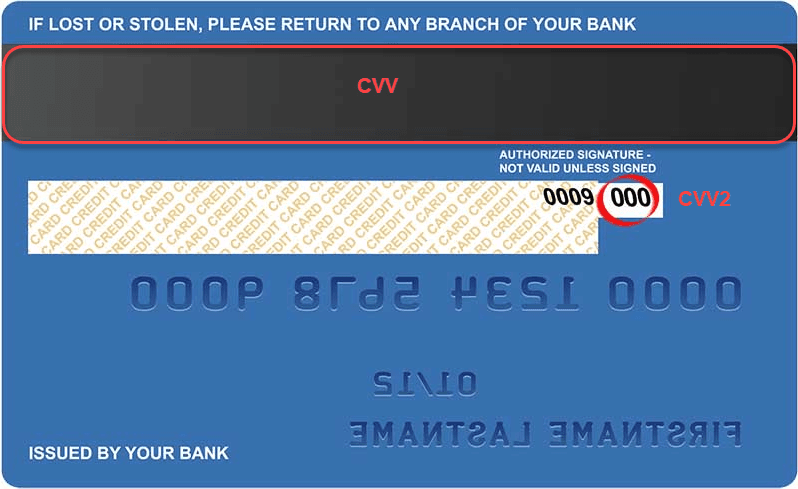
Credit card showing CVV security code location

Credit Card

Can a Card Have CVV Printed on Both Sides?

Yes. American Express cards have a 4-digit CVV on the front and a 3-digit CVV on the back, like other cards. Here's how payment forms should handle both formats and why logging the security code is never allowed.

PIN pad screen on a payment terminal for entering a card PIN

Credit Card

What Happens If I Enter the Wrong PIN on Card Transactions?

Nearly all transactions where credit and debit cards are used physically require a PIN. The PIN represents the cardholder's identity. Here is what happens if a customer enters the wrong PIN too many times and how the card is restored.

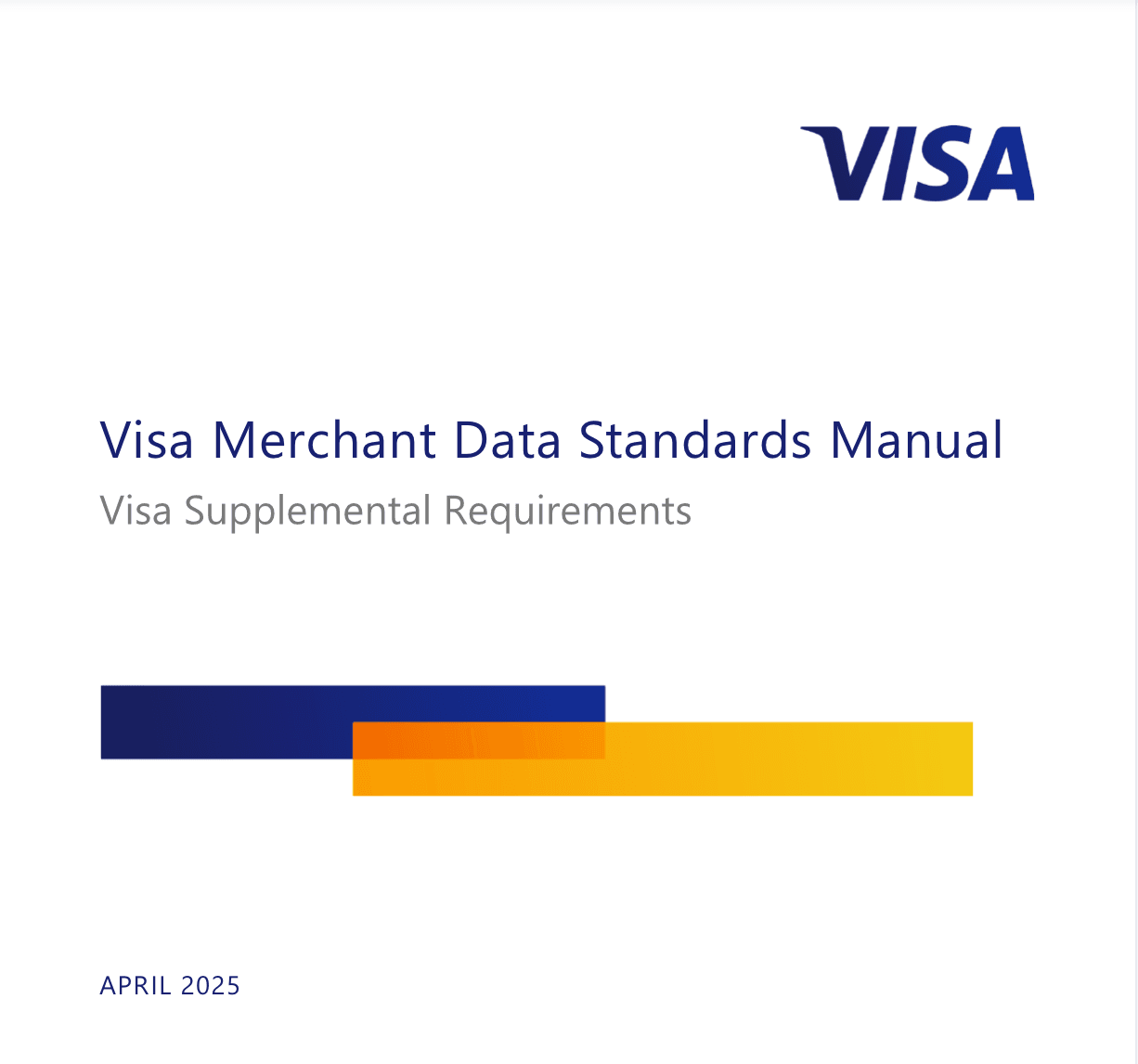
Cover of the Visa Merchant Data Standards Manual document

Merchant & POS

What Is the “Merchant Data Standards Manual”? How Can I Access It?

Visa's Merchant Data Standards Manual covers classification, identification and data standard requirements for merchants, payment facilitators and marketplaces, including merchant naming, location and MCC rules. Here is what it contains and where to find it.