Skip to content

Search

"card transactions"

583 articles found

Diagram showing the components of the External Authenticate command

EMV

What is the External Authenticate Command?

The EXTERNAL AUTHENTICATE command asks the application inside the ICC whether it can verify the cryptogram, and the ICC returns the processing status. Below are the components of the External Authenticate command and what issuer authentication means.

No image

Merchant & POS

BKM Releases Data for the First 6 Months of 2020

BKM publishes card usage data every three months. In the first half of 2020, card payments reached TL 500 billion, contactless payments tripled, and online card payments surged in the electronics and clothing sectors.

Illustration of the benefits credit cards provide to cardholders

Credit Card

What benefits do credit cards provide to cardholders?

Many people who appear as credit card victims in the news and on social media run into trouble because they think their credit limit is unlimited and forget it must eventually be repaid. A credit card is the best payment instrument, if you know how to use it.

Diagram illustrating the soft chargeback retrieval request process between cardholder, issuer and merchant

Chargeback

What Is a Soft Chargeback?

A soft chargeback, also called a retrieval request, is a request for documents about a transaction the cardholder does not recognize. Learn why customers request them, what information merchants should provide, and why a fast response matters.

Example of a POS transaction receipt (slip)

Merchant & POS

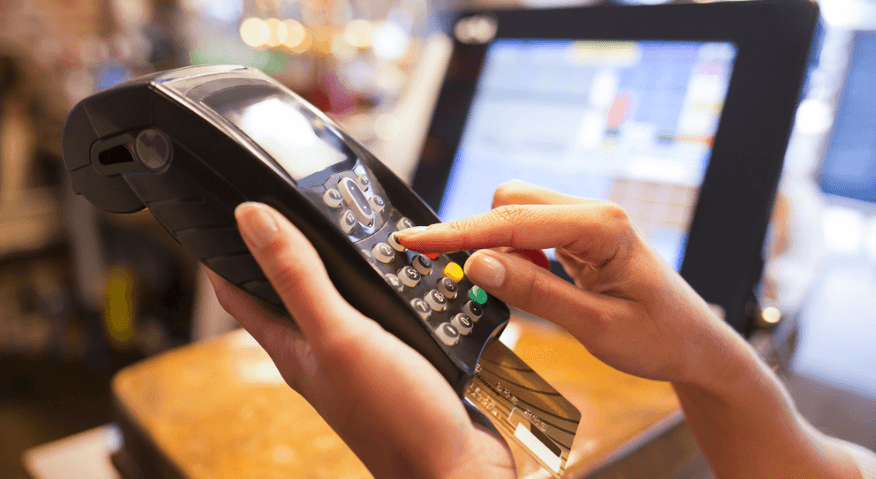
Don't Dismiss the POS Receipt

In daily credit card purchases, the POS produces two receipts: the Customer Copy and the Merchant Copy. The cardholder gets the customer copy; the merchant keeps its own copy by law.

Contactless card payment at an overseas POS terminal that prompts for a PIN after a limit is exceeded

Payment Systems

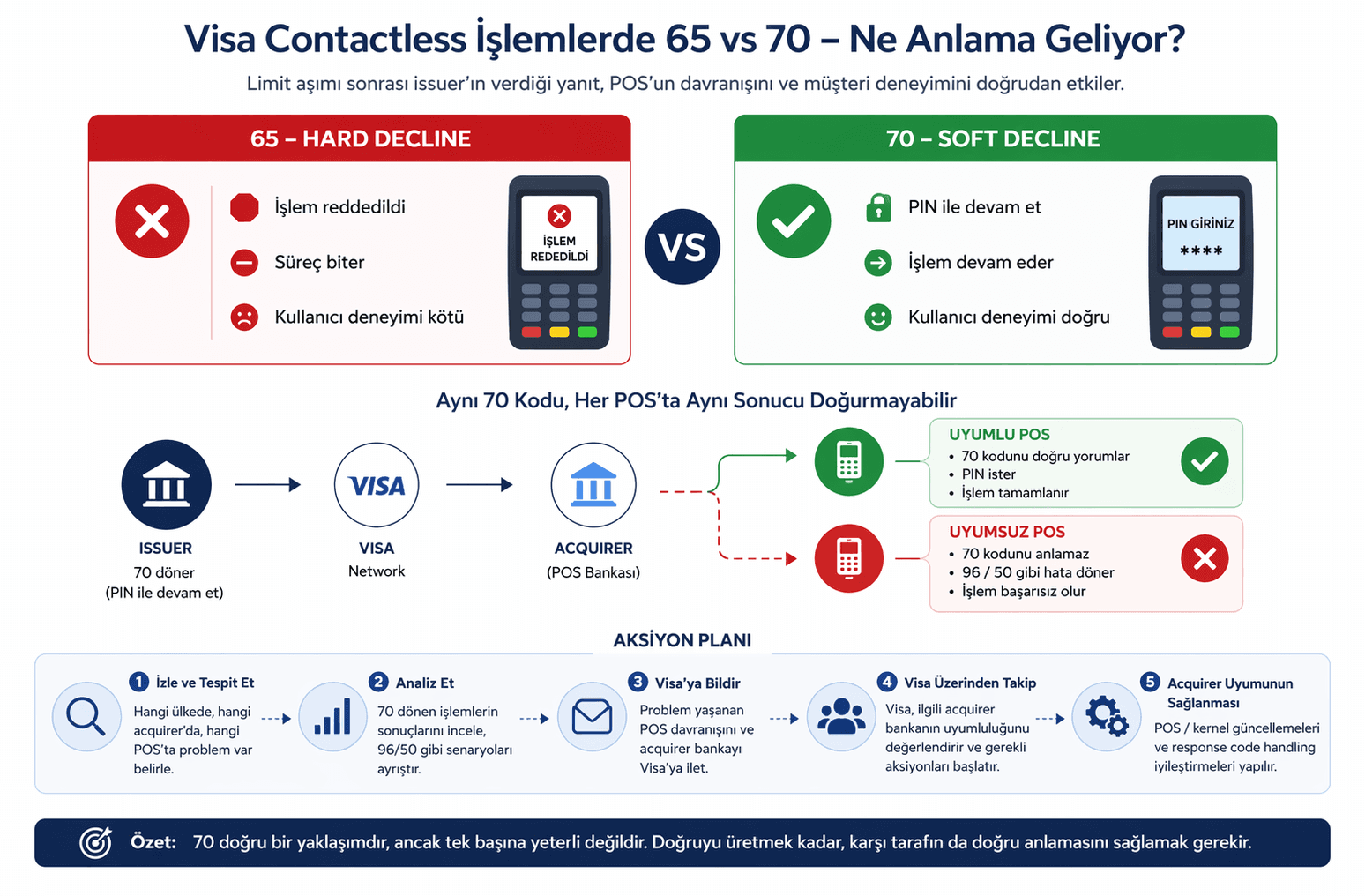
Visa Overseas Contactless Transactions – After Code 70 (Part 2)

After switching to response code 70 for contactless limit-exceeded cases, we found that some overseas POS devices and acquirers did not handle it as expected. This post covers why the problem lies in the ecosystem and how to address it.

Recurring card payments and subscriptions illustration

Merchant & POS

What Is Recurring Billing?

Recurring billing is the automatic collection of payments at set intervals and amounts by storing the customer's card details on a secure, PCI DSS-certified infrastructure.

Application fraud and transaction fraud controls

Fraud

What Are the Types of Fraud Controls?

Fraud controls fall into two main types: application fraud controls, which check card and merchant applications, and transaction fraud controls, which monitor card and POS transactions.

Diagram illustrating the structure of an ISO 8583 message field

ISO 8583

ISO 8583 Field Descriptions (F14)

F14 - DATE, EXPIRATION DATE: the expiration date printed on the card by the issuing bank, a 4-digit numeric value in YYMM format. See how it's checked and why the YYMM order matters.

Discover chargeback reason codes list

Payment Systems

What Are the Discover Chargeback Reason Codes?

Chargeback reason codes differ by card scheme. Here is the list of Discover chargeback reason codes and their descriptions, along with how merchants can use them.

Diagram illustrating the Card Verification Key (CVK) concept

Credit Card

What is CVK (Card Verification Key)?

CVK (Card Verification Key) is the key information used to generate and verify CVV/CVC values, confirming their validity. It is kept as a pair of keys, CVK A and CVK B, encrypted under TMK, ZMK or LMK.

Diagram illustrating SDA, DDA, and CDA offline data authentication methods

Credit Card

What are SDA, DDA, and CDA?

SDA (Static Data Authentication), DDA (Dynamic Data Authentication), and CDA (Combined Dynamic Data Authentication) are offline data authentication methods used in chip cards. Learn how each one validates the card and the transaction.