Skip to content

Search

"card authorization"

241 articles found

Diagram illustrating the tokenization and detokenization process for card payments

HCE

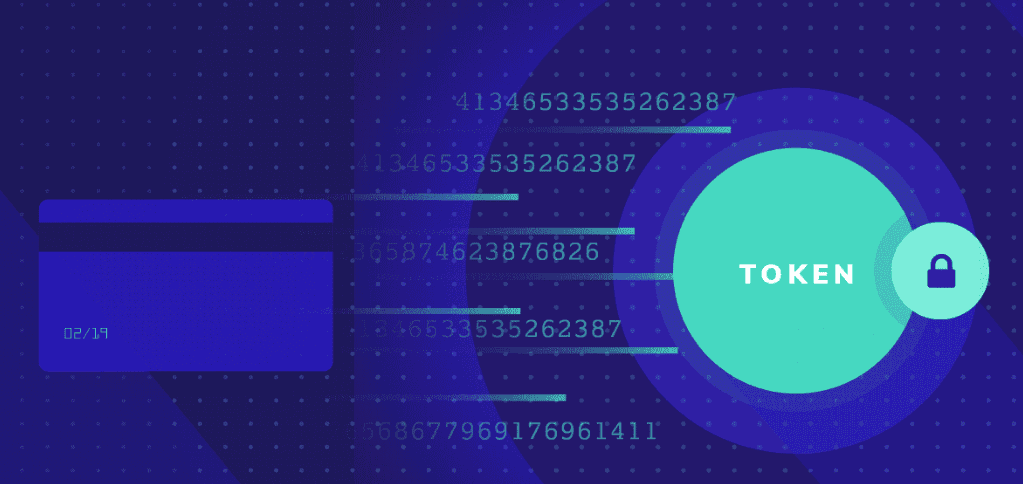
What Are Tokenization and Detokenization?

Tokenization generates secure data from a credit card number, using specific algorithms, for use during authorization. In CNP transactions, it removes the risk of storing or compromising the original card number.


Dictionary and glossary book representing payment systems terminology

Merchant & POS

Terms that should be in your payment systems glossary

Below are the definitions of the cornerstone terms of payment systems, as established by the Banks Association of Turkey (TBB): debit card, credit card, merchant, cardholder, and more.

Diagram illustrating ISO 8583 Field 61 Point of Service (POS) data structure

ISO 8583

ISO 8583 Field Descriptions (F61)

F61 - POINT OF SERVICE (POS) DATA: This field provides information about the specific status of the POS at the time of the transaction. Position Usage Attribute 1 POS Terminal Attendance Indicator 0 = Attended terminal (Valid for MasterCard debit card and Maestro transactions only).

Credit card used for a mail order transaction

Credit Card

Which Cards Can I Use for Mail Order Transactions?

Debit cards and prepaid cards are generally closed to mail order transactions. Mail order authorization is held on credit cards. Unless specifically requested at application, a card is issued closed to mail order transactions.

Diagram showing payment systems components managed in-house by a bank

Merchant & POS

What Is 'In-house' in the World of Payment Systems?

In-house is a term widely used in the world of payment systems. It means that payment systems applications are managed end-to-end within the bank's own systems, both in terms of code and process.

Business debit card used by corporate customers for ATM transactions

Credit Card

Can Business Customers Be Issued an ATM Card?

Business customers can be issued an ATM card, known as a Business Debit Card. The cardholder must be the person authorized to act legally on behalf of the company, since the card operates on company accounts.

Credit card expiration date printed on the front of a card

Credit Card

What Is Effective Date?

The Effective Date is the information showing the date until which a card can be actively used. It can also be called the expiration date. It is a mandatory field printed on the card and used in transactions, set by banks for card security.

Illustration explaining the authorization process for card payments at POS, virtual POS, and ATM terminals

Merchant & POS

What is Authorization?

The term 'provizyon' comes from French and means obtaining approval for a transaction. In payment systems, authorization confirms that the card, POS, bank account, and transaction limits are sufficient to complete a payment.

Diagram explaining the Visa Purchase Return Authorization process for card refunds

Credit Card

What Is Purchase Return Authorization?

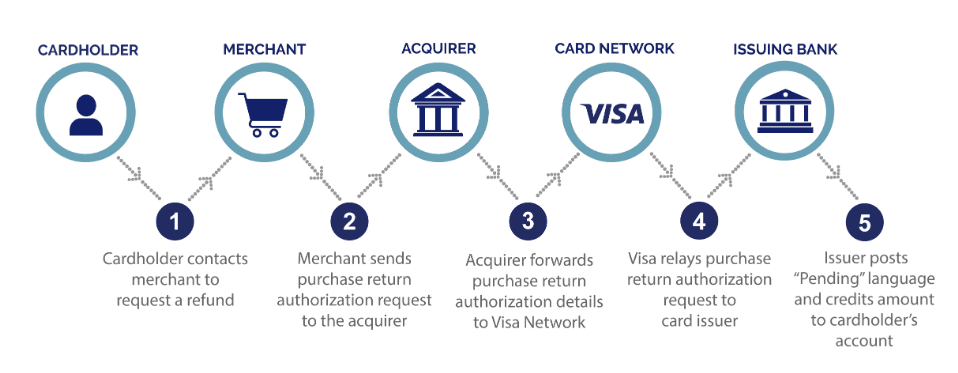
A structure developed by Visa for purchase refund transactions. The purchase return authorization message lets cardholders view their refund transactions in real time, improving the customer refund experience.

Diagram illustrating the EMV Tag-Length-Value (TLV) data structure used in card transactions

Online & Authorization

What are EMV Tags?

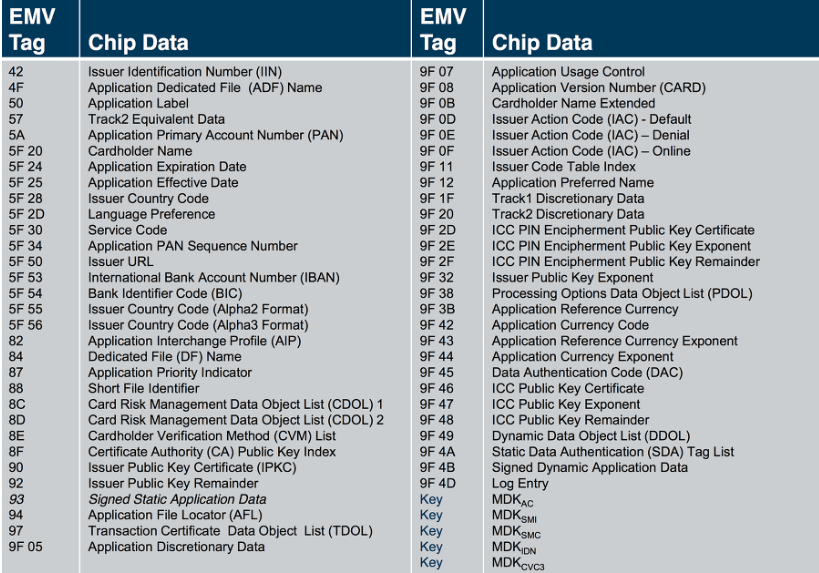
In EMV, data is stored in Tag-Length-Value (TLV) format, and it is carried between the card, the POS terminal, and the authorization system in this same format. This post lists every EMV Tag, its type, and its description.

Stand-in authorization flow diagram

Credit Card

What is Stand-In Authorization?

In the standard authorization flow, the transaction is initiated by the acquirer (POS bank) and forwarded to the issuer (card-issuing institution). The process is completed once the issuer responds. However, this isn't always possible; when the issuer fails to respond, BKM steps in...