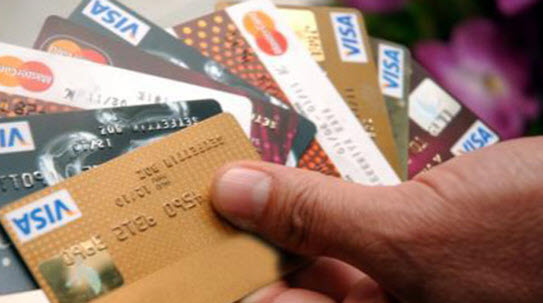
Debit cards and prepaid cards are generally closed to mail order transactions.
Mail order authorization is held on credit cards. Unless the customer specifically requests "Open for Mail Order" printing at the card application stage, the card is issued closed to mail order transactions.
Why is mail order authorization managed separately?
In mail order transactions, the card is not physically presented, the cardholder does not enter a PIN, and 3D Secure verification is not performed. Card details are sent to the merchant through a form. Because this structure increases the risk of fraud, banks manage mail order authorization separately from the card's other authorizations and keep it closed by default.
How is mail order authorization activated?
To be able to make a mail order transaction, the cardholder can apply to their bank and request that their card be opened for these transactions. Many banks allow this authorization to be turned on and off through the mobile app or internet banking. For security reasons, it is recommended that the authorization only be turned on when needed and turned off once the transaction is complete.
Before making a mail order transaction
- Make sure the company carrying out the transaction is trustworthy.
- Send the mail order form only through the company's official communication channels.
- Avoid sharing the form openly through email or messaging apps.
- State the transaction amount and number of installments clearly on the form.
Prepaid and debit cards
Because the transaction amount is deducted directly from the account or from the balance on the card for debit cards and prepaid cards, the cardholder's loss is more direct in an unauthorized transaction. This is one of the reasons banks keep these cards closed to mail order transactions.



