Skip to content

Search

"card fraud prevention"

44 articles found

Illustration of a card present transaction being processed at a POS terminal

Security

What is a CP (Card Present) Transaction?

A CP transaction refers to a card transaction in which the card and cardholder are physically present at the location. Card Present transactions occur when the card's magnetic stripe or chip data is read by a POS terminal or ATM, or via contactless.

Diagram of the EMV Card Block command process

EMV

What is the Card Block command?

The Card Block command is used after card issuance to deactivate all applications within the ICC, including applications that could be selected indirectly. The components of the command are explained below.

Illustration for the question about SMS notifications in mail order transactions

From My Readers

Is there an SMS notification structure for Mail Order transactions?

I occasionally receive questions from my readers, and I answer them by email or through other channels. Since others may have similar questions, I will publish these questions on my site along with the answers. Hello Mr. Arif, I read your articles from time to time and...

Diagram showing how the iCVV code is generated for EMV chip cards

Credit Card

What Is iCVV? How Is It Generated?

iCVV stands for Integrated Circuit Card Verification Value. To prevent fraud, it is a CVV value generated similarly to the card's track data and stored on the card's chip. Visa uses the term iCVV; MasterCard and American Express use their own equivalents.

Illustration of a phone scam call impersonating a bank

Security

We're Calling From the Bank, Your Account Has Been Compromised...

Fraud cases where scammers pose as bank staff or other institution employees to obtain citizens' banking information have increased significantly recently. Interestingly, the new fraud trend closely mirrors the steps of a genuine banking procedure.

Diagram illustrating the PIN Try Counter concept on a payment card chip

Credit Card

What Is PIN (Personal Identification Number) Try Counter?

The PIN Try Counter is a value stored on the card's chip showing the number of remaining offline PIN attempts. Each incorrect offline PIN entry decreases it by 1, and it resets when the correct PIN is entered.

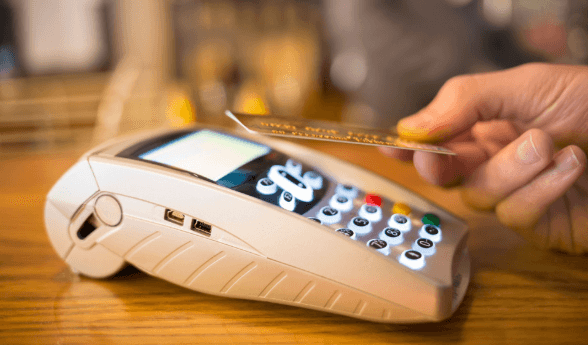
Contactless card payment at a POS terminal

Credit Card

Contactless Payment Limit Is Being Raised

Current information: this post describes the limit that applied at the time of publication. According to a BRSA letter to banks, the PIN-free contactless transaction limit, raised to 750 TL in July 2022, will become 1500 TL from 1 July 2024.

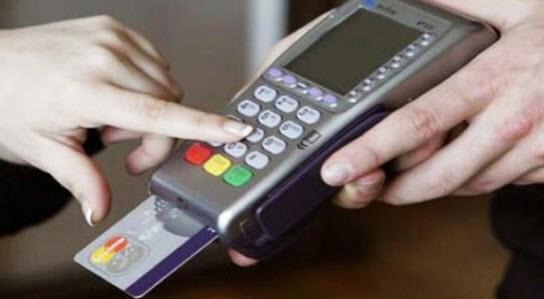
Photograph of a POS terminal used for Chip and Pin card payments

Merchant & POS

What is Chip&Pin?

Chip&Pin, introduced in Turkey on March 31, 2006, is a payment method that greatly reduces the risks of card copying and loss or theft fraud. The chip on the card reduces copying risk, while the 4-digit PIN prevents unauthorized use of a lost card.

Screenshot of an Address Verification Service (AVS) response code table

Merchant & POS

What is Address Verification Service (AVS)?

Address Verification Service (AVS) is a fraud prevention system that helps limit fraud and chargebacks when used effectively. It verifies that the address a customer enters matches the cardholder's address on file with the issuer.

Diagram explaining what an EMV Issuer Script is and how it updates card chip parameters

EMV

What Is an EMV Issuer Script?

An EMV Issuer Script is a system that lets the issuer (the institution that issues the card) update and change the parameters and values on the card chip while it remains in use, reducing fraud over the card's lifetime.

Illustration of a 3D Secure payment verification screen

Merchant & POS

What is a 3D Secure transaction?

In e-commerce transactions, the system developed to increase transaction security for payments made with credit and debit cards is called 3D Secure. When paying with 3D Secure, a special payment screen provided by the banks appears on the user's screen.

Example of a POS receipt showing a warning for a foreign card transaction

Merchant & POS

Is Identification of Foreign Customers on POS Receipts Mandatory?

Yes, it is mandatory. This requirement was introduced to prevent fraud. To fulfill their obligations regarding identification of foreign customers, banks must make one of several arrangements on receipts, such as bilingual descriptions or an explicit foreign card warning.