Skip to content

Search

"country codes"

48 articles found

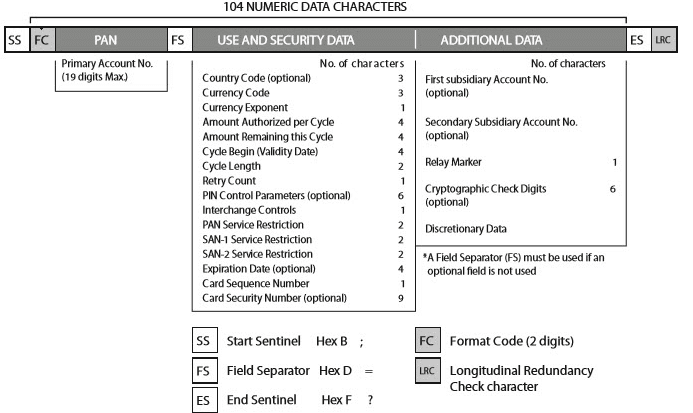
Diagram illustrating the structure of Track3 data on a payment card

Credit Card

What Is Track3?

Track3 is a field that doesn't need to be written to the card's magnetic stripe. It's used only in very specific cases and isn't required for authorization transactions. Issuers generally don't encode Track3 data onto the card's magnetic stripe. It consists of 104 numeric characters.

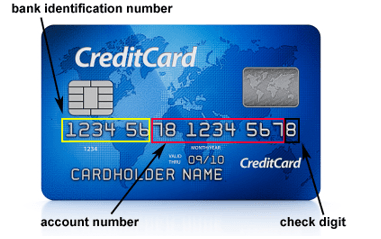
Close-up of a payment card showing its first six digits, the BIN

Credit Card

What Is a BIN (Bank Identification Number)?

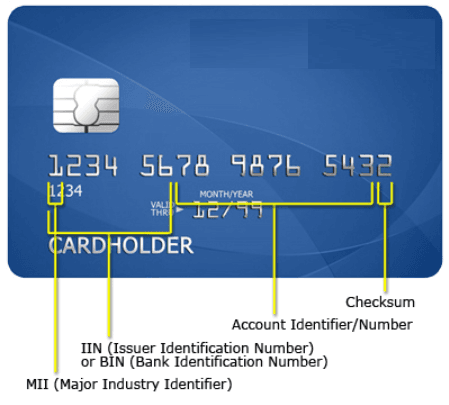
BIN stands for Bank Identification Number, the unique code made up of a card's first 6 digits that identifies which bank issued it, under the ISO/IEC 7812 standard.

Table of ISO 4217 currency codes by country for ISO 8583 field F49

ISO 8583

ISO Currency Code Values

Currency information for card transactions is sent in fields F49, F50 and F51. The ISO currency values that can be sent in field F49, which carries the original currency value, are listed below.

Diagram illustrating the ISO 8583 F55 field structure for ICC system related data

ISO 8583

ISO 8583 Field Descriptions (F55)

F55 - INTEGRATED CIRCUIT CARD (ICC) SYSTEM RELATED DATA: the field where EMV data is written on chip cards. It consists of components such as Position, Private Data Subelements, PDS Tag, PDS Length, and PDS Value...

Diagram illustrating the TLV (Tag-Length-Value) data structure

Online & Authorization

What is TLV (Tag-Length-Value)?

TLV is a data storage method used to speed up the parsing of data. For example, reading data from a card's chip at a POS and carrying it through authorization uses the TLV structure.

Exterior of the Takasbank headquarters building

Payment Systems

What is Takasbank?

Takasbank (Istanbul Settlement and Custody Bank) exists to increase the competitiveness of Turkey's markets by providing clearing and custody services, financial services, and other economic activities under the relevant legislation.

Diagram illustrating the structure of an Issuer Identification Number (IIN) on a payment card

Credit Card

What is an Issuer Identification Number (IIN)?

Issuer Identification Number (IIN) is the first 6 digits of 16-digit cards and the first 8 digits of 19-digit cards. It is more commonly known as BIN (Bank Identification Number). Learn what the IIN table holds and how to look one up.

Illustration representing real-time and near real-time fraud monitoring in payment systems

Fraud

What is Online (Real Time) and Near Online (Near Real Time) Fraud?

Fraud monitoring refers to tracking card transactions through scenarios to detect potential fraud and taking rapid action immediately before or after a transaction occurs - such as identifying a suspicious transaction, calling the customer, or temporarily blocking the card to prevent authorization.

Contactless card payment at an overseas POS terminal that prompts for a PIN after a limit is exceeded

Payment Systems

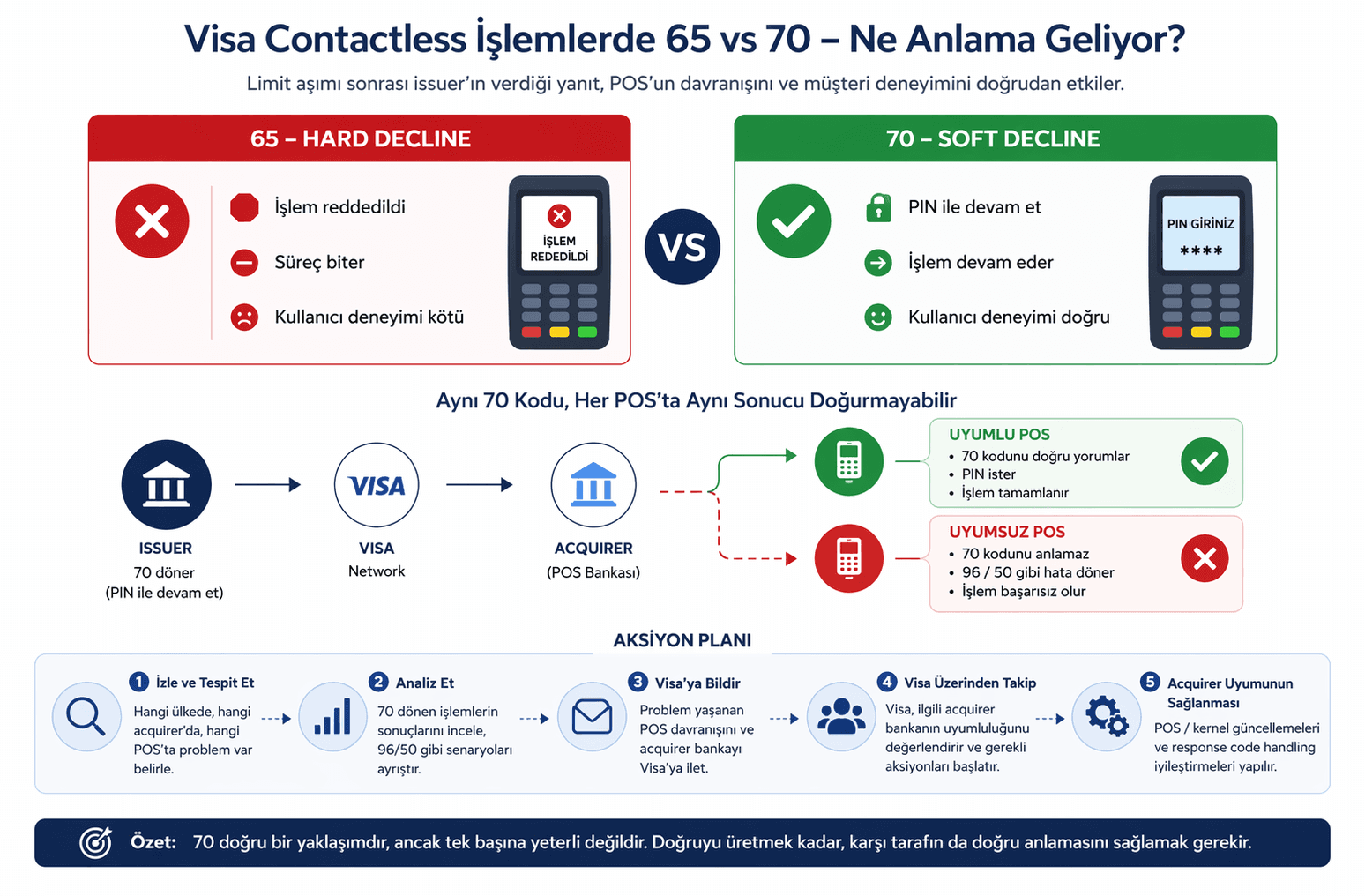
Visa Overseas Contactless Transactions – After Code 70 (Part 2)

After switching to response code 70 for contactless limit-exceeded cases, we found that some overseas POS devices and acquirers did not handle it as expected. This post covers why the problem lies in the ecosystem and how to address it.