Skip to content

Search

"country codes"

48 articles found

Reference table of ISO country codes including two-letter, three-letter, and numeric codes

ISO 8583

ISO Country Codes

In ISO messaging standards, country codes sent in fields such as F43, F19, F20, and F21 must follow a specific standard. Below is the country code list and details used for ISO, including 2-character, 3-character, and numeric codes.
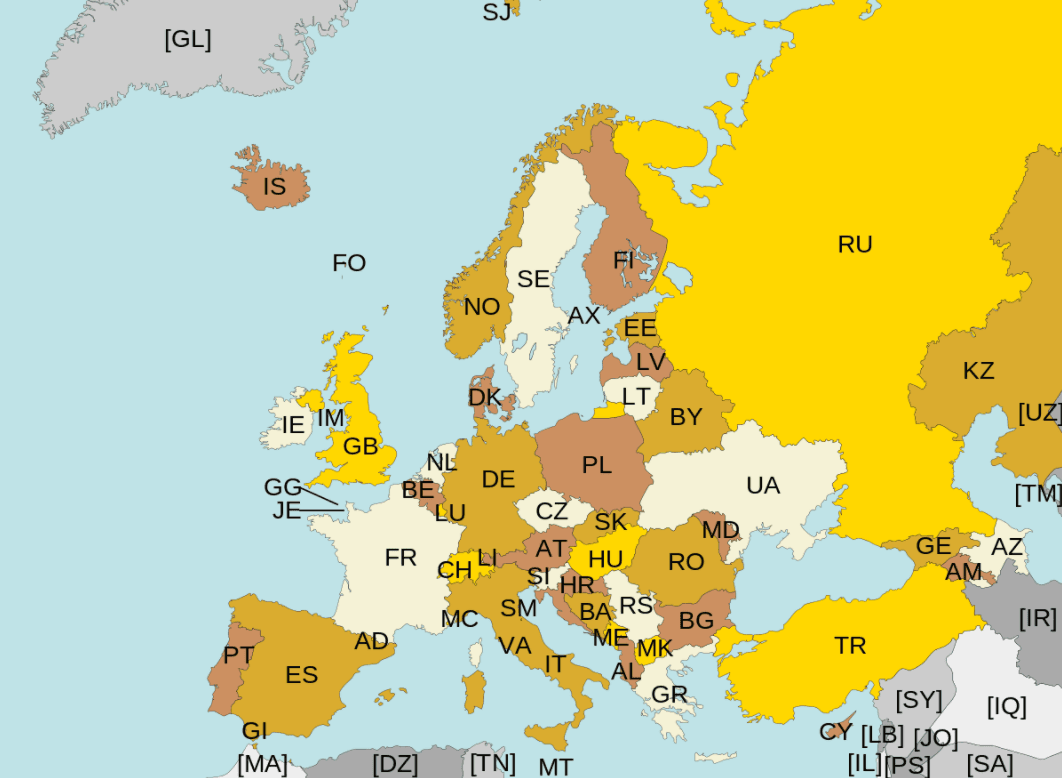
ISO 3166 country codes illustration

Payment Systems

What Is ISO 3166?

ISO 3166 is a standard published by the International Organization for Standardization (ISO) for coding the names of countries, autonomous regions, provinces and states. It consists of three parts.

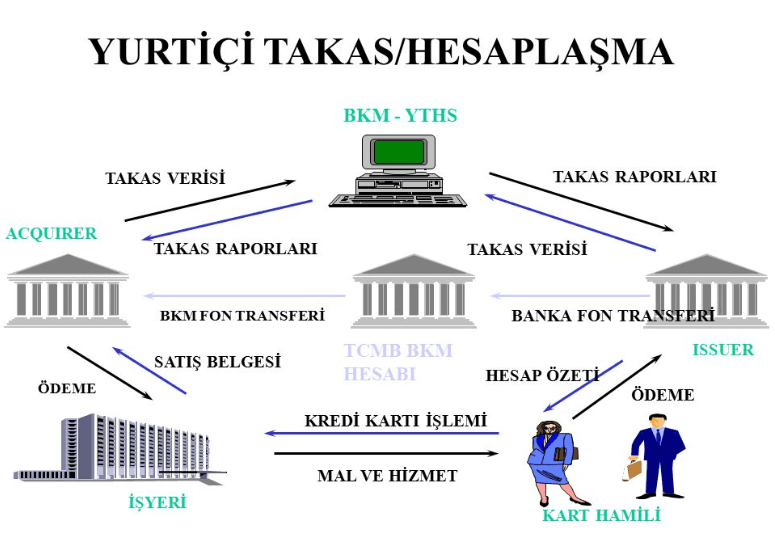
Diagram illustrating TCR (Transaction Record Component) packets used in payment clearing and settlement files

Payment Systems

What Is TCR (Transaction Record Component)?

TCR stands for Transaction Record Component, the packets that carry transaction information in a clearing system. Transaction types in a clearing file are distinguished by transaction code and usage code values, and this data is sent inside TCR packets.

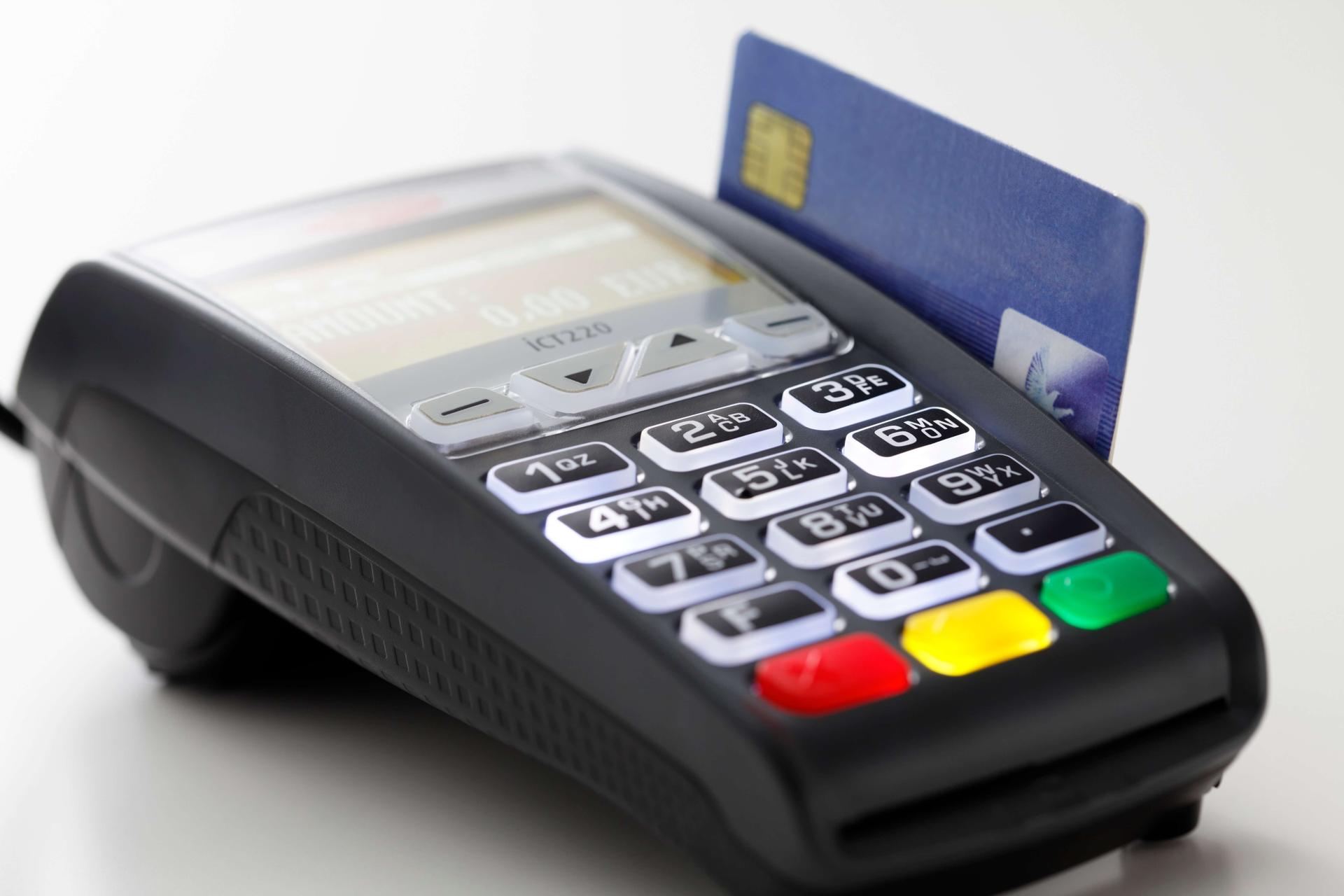
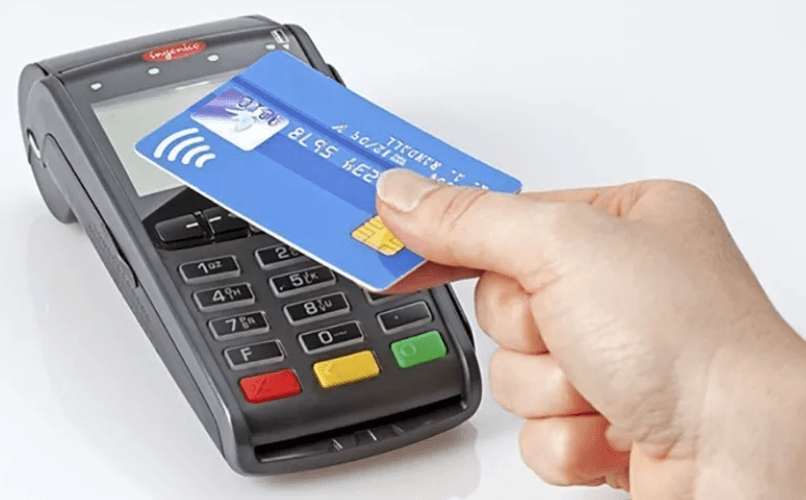
POS terminal device used to process chip card payments

Merchant & POS

What is Application Usage Control (AUC)?

AUC (Application Usage Control) specifies restrictions that limit an application by geography or by specific transaction types. It is a 2-byte data element in Tag 9F07. If present, the terminal performs checks such as whether the transaction is at an ATM.

Diagram illustrating the EMV Tag-Length-Value (TLV) data structure used in card transactions

Online & Authorization

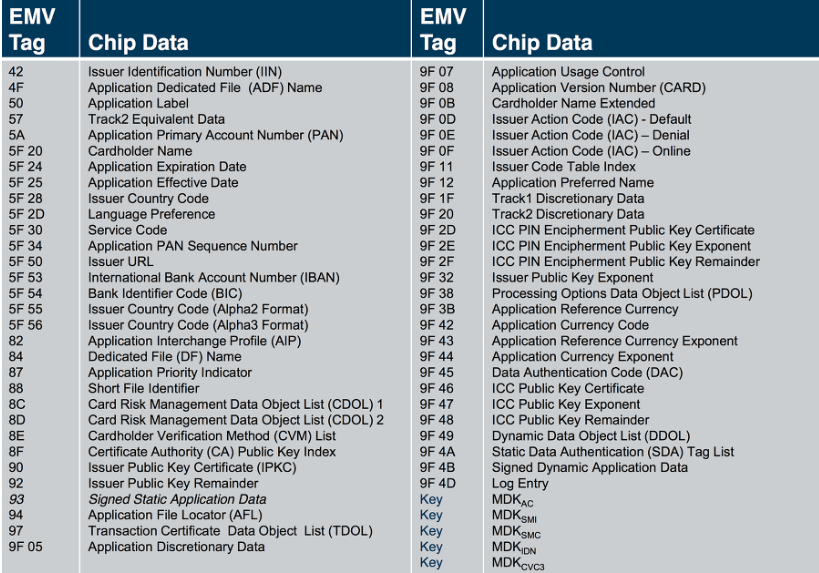
What are EMV Tags?

In EMV, data is stored in Tag-Length-Value (TLV) format, and it is carried between the card, the POS terminal, and the authorization system in this same format. This post lists every EMV Tag, its type, and its description.

Table listing ISO 4217 currency codes, numeric codes, and minor units for countries worldwide

ATM

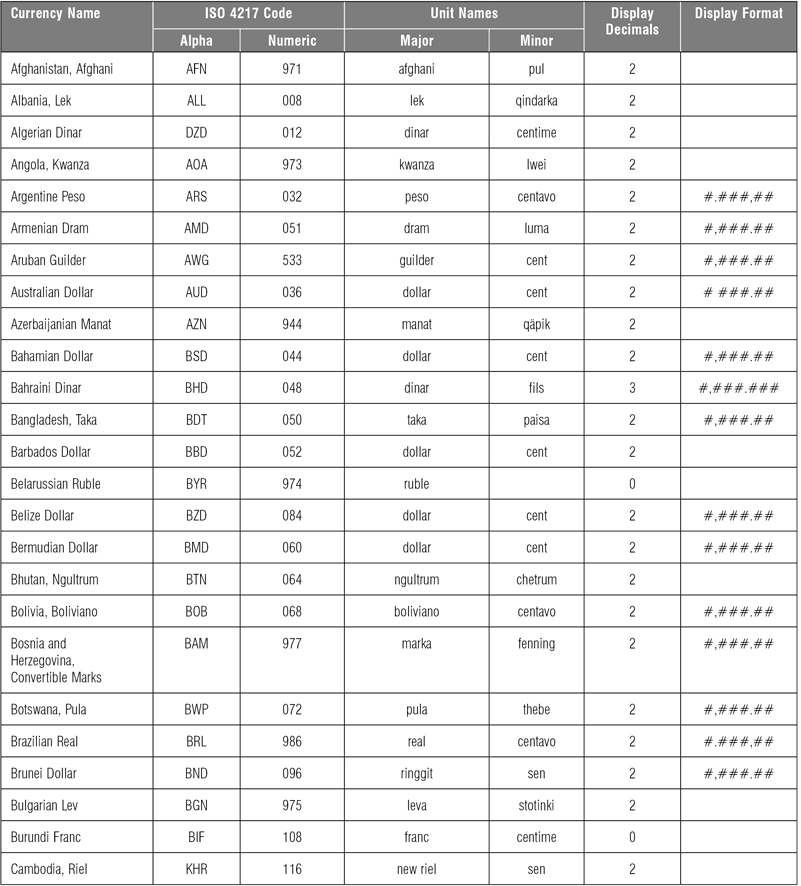
What is ISO 4217?

ISO 4217, also known as the currency code standard, defines the three-letter abbreviations assigned to currencies. The ISO 4217 code list is used extensively in banking and business. In some countries, exchange offices rely on these codes alone.

Diagram illustrating ISO 8583 Field 61 Point of Service (POS) data structure

ISO 8583

ISO 8583 Field Descriptions (F61)

F61 - POINT OF SERVICE (POS) DATA: This field provides information about the specific status of the POS at the time of the transaction. Position Usage Attribute 1 POS Terminal Attendance Indicator 0 = Attended terminal (Valid for MasterCard debit card and Maestro transactions only).

ISO 8583 field 19 acquiring institution country code

ISO 8583

ISO 8583 Field Descriptions (F19)

F19 — Acquiring Institution Country Code: the country to which the location of the acquiring bank's device (ATM, POS, etc.) belongs.

Diagram illustrating the structure of a Bank Identifier Code (BIC)

EMV

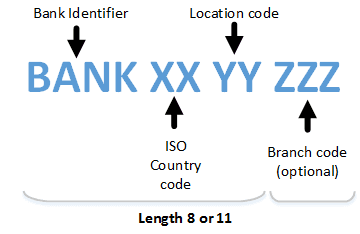
What is a Bank Identifier Code (BIC)?

BIC stands for Bank Identifier Code. It is the universal bank identification code used for automated processing in banking and related financial environments, identifying banks as specified by the ISO 9362 standard.

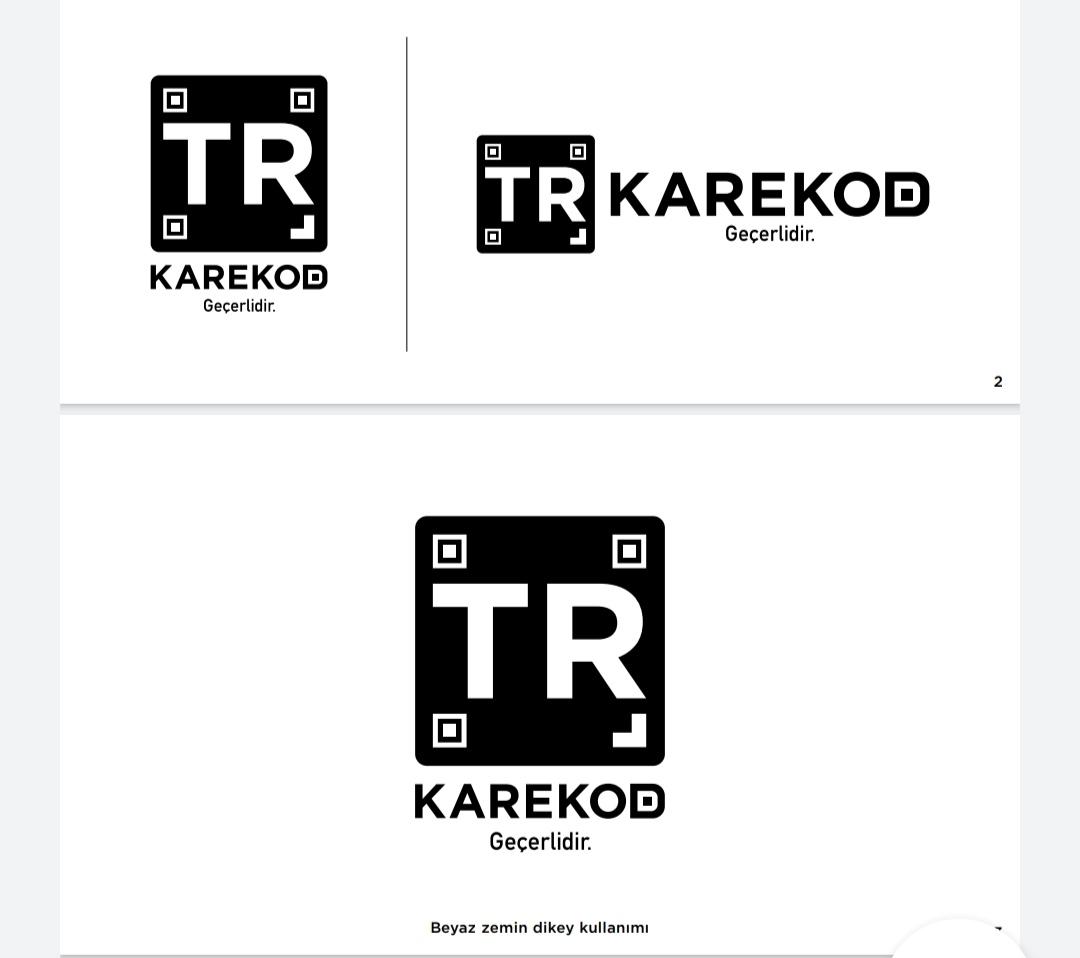
TR Karekod national QR code logo for payments in Turkey

Merchant & POS

The Logo of Our National QR Code, TR Karekod, Has Been Announced

In the world of payment systems, there are new developments every day in both accepting payments and payment methods. QR code payments will undoubtedly become more common in the coming days, and we will make payments with QR codes in many places.

Diagram illustrating the structure of ISO 8583 field F43

ISO 8583

ISO 8583 Field Descriptions (F43)

F43 - CARD ACCEPTOR NAME AND LOCATION: the field that holds the name and location of the merchant/ATM where a card transaction took place. It is 40 characters long and alphanumeric.

Processing Options Data Object List (PDOL) diagram

Merchant & POS

Processing Options Data Object List (PDOL)

Contains the terminal-resident data objects (tags and lengths) that the ICC needs when processing the GET PROCESSING OPTIONS command. In short, it is the list of information the card requests from the terminal before starting the transaction.