Contains the terminal-resident data objects (tags and lengths) that the ICC needs when processing the GET PROCESSING OPTIONS command.
In short, it is the list of information the card requests from the terminal before starting the transaction.
Where does PDOL fit in the transaction flow?
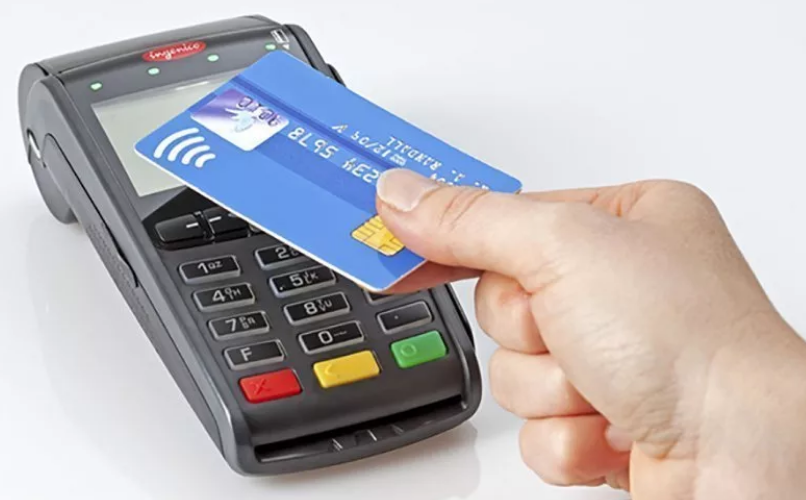
When a terminal starts a transaction with an EMV card, it first selects the payment application on the card (the SELECT command). In its response to this command, the card uses the PDOL to indicate which pieces of information it needs from the terminal before processing can begin. PDOL is carried in EMV under tag 9F38.
How does the terminal use the PDOL?
The PDOL contains only the tags and lengths of the requested data, not the values themselves. The terminal reads this list, then concatenates the requested data items in the order given and at the specified lengths. It sends the resulting data to the card with the GET PROCESSING OPTIONS (GPO) command. If the card does not request a PDOL, the terminal sends this command with empty data.
Commonly requested data
- Transaction amount (9F02)
- Transaction currency code (5F2A)
- Terminal country code (9F1A)
- Transaction date (9A) and transaction type (9C)
- Random number generated by the terminal (Unpredictable Number, 9F37)
- Information showing the terminal's capabilities in contactless transactions (Terminal Transaction Qualifiers, 9F66)
Why is it important?
Through the PDOL, the card learns information such as the amount, country, and currency right at the start of the transaction. This lets it decide early on which rules will govern the transaction. Particularly in contactless transactions, the card can use the information it receives through the PDOL to complete the transaction quickly. In its GPO response, the card informs the terminal of the features it supports (AIP) and the location of the records to be read (AFL).