Skip to content

Search

"EMV"

54 articles found

Diagram illustrating the EMV Tag-Length-Value (TLV) data structure used in card transactions

Online & Authorization

What are EMV Tags?

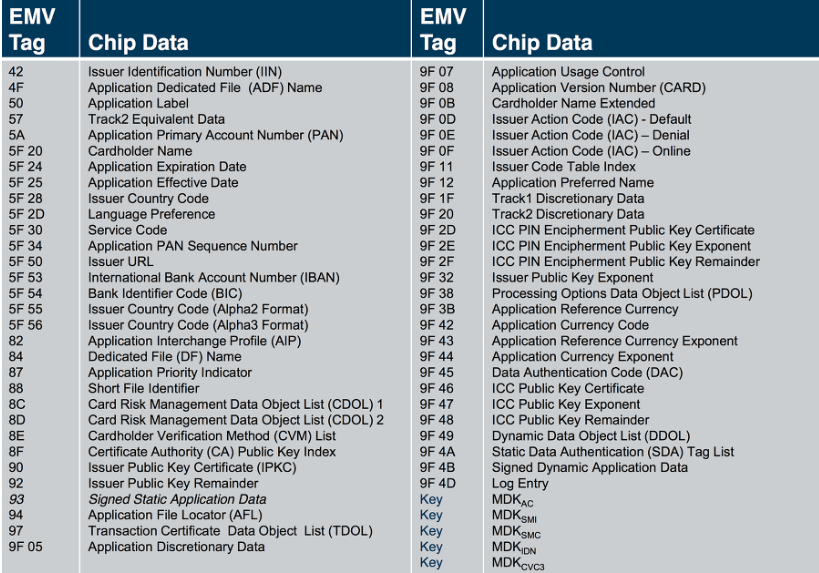
In EMV, data is stored in Tag-Length-Value (TLV) format, and it is carried between the card, the POS terminal, and the authorization system in this same format. This post lists every EMV Tag, its type, and its description.
Timeline of EMV version history

EMV

What are the EMV Versions?

The history of EMV versions is given below: EMV was standardized in 1995. EMV 3.0, released in 1996, was the first widely used version, commonly known as EMV '96. In 1998, additions were made to EMV 3.0.

Table listing the EMV chip specifications used by Visa, Mastercard, American Express, JCB, Discover, and UnionPay

EMV

What are EMV Schemes?

EMV standards form the foundation for chip cards to work on terminals worldwide, but each scheme - VSDC (Visa), M/Chip (Mastercard), AEIPS (Amex), J Smart (JCB), D-PAS (Discover), and UICS (UnionPay) - defines its own keys, rules, and card profiles.

EMV chip card illustration

Online & Authorization

What is EMV?

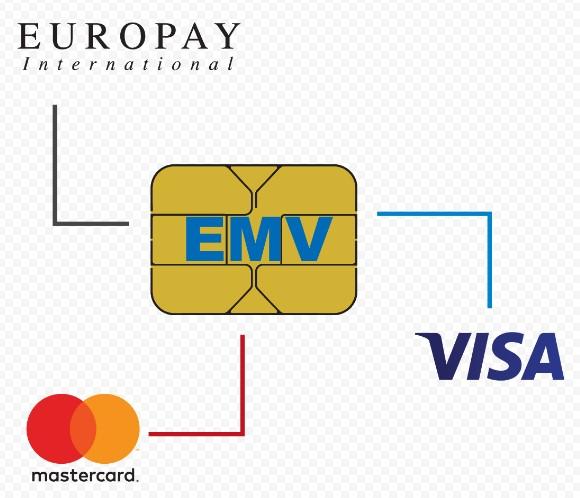
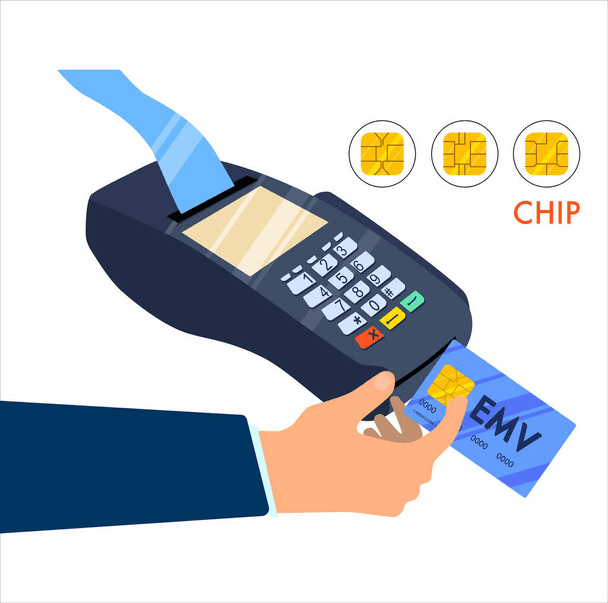
EMV stands for Europay, Mastercard and Visa. In 1994 these companies formed a working group to set chip-card standards, leading to the EMV standards used worldwide today.

Diagram illustrating EMV Level 1, Level 2, and Level 3 certification stages for payment terminals

Merchant & POS

What Are EMV Level 1, Level 2, and Level 3 Certifications?

The EMV Level 1 standard refers to an important global payment industry specification defining the electrical and physical interface between credit and debit cards and the payment terminal (ATM/POS). The EMV Contactless Level 1 certification guarantees that the device…

Diagram explaining what an EMV Issuer Script is and how it updates card chip parameters

EMV

What Is an EMV Issuer Script?

An EMV Issuer Script is a system that lets the issuer (the institution that issues the card) update and change the parameters and values on the card chip while it remains in use, reducing fraud over the card's lifetime.

Close-up of a payment card chip, illustrating EMV cardholder verification

Online & Authorization

Cardholder Verification in EMV (CVM)

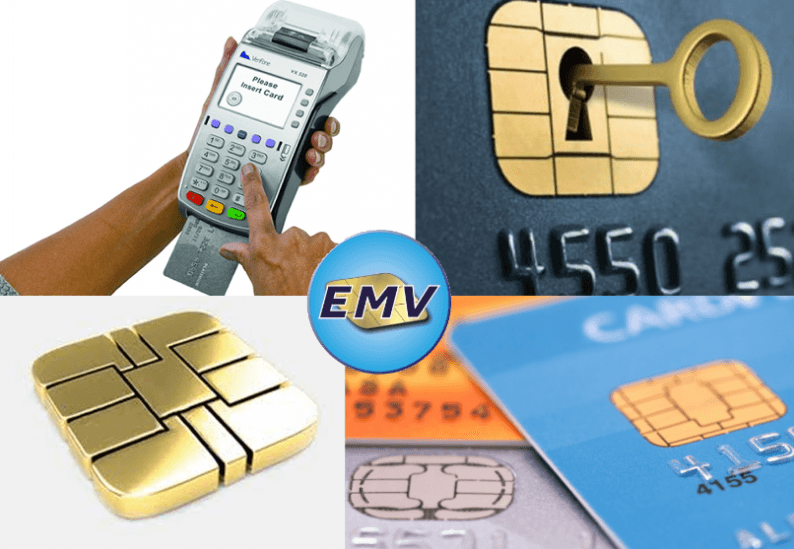
Cardholder verification in EMV is specific to chip cards. One goal of EMV is to minimize card fraud. To do this, three parties must be verified: the bank, the cardholder, and the terminal. One of the data items taken from the card to prove identity is...

Diagram of the EMV application selection flow between the terminal and the card

Merchant & POS

EMV Chip Transaction Processing - What Is Application Selection?

In EMV transactions, Application Selection is the process of choosing among the applications supported by both the card and the terminal. It is the first stage of authorization, so it is very important. This post covers the PSE and List of AIDs methods.

Illustration showing how an Application Identifier (AID) is used in a chip card transaction

EMV

What is an Application Identifier (AID)?

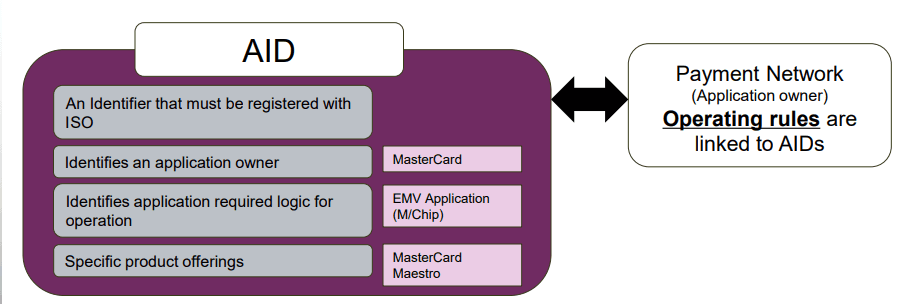
The AID tells the terminal which applications are present on a chip during a POS or ATM transaction. What does the AID do? It lets the terminal determine whether it supports an application on the chip. In Tag 9F06, it is 5-16 digits long.

Illustration representing communication protocols used in POS payment systems

Merchant & POS

What Are POS Sub-Protocols and Their Use Cases in Turkey?

In payment systems, every exchange between POS devices and bank or payment institution systems runs on a specific messaging standard, generally based on ISO 8583. However, each country, bank, or switch network defines its own version of this standard.