Online & Authorization
What is EMV?
EMV stands for Europay, Mastercard and Visa. In 1994 these companies formed a working group to set chip-card standards, leading to the EMV standards used worldwide today.
Search
65 articles found
Online & Authorization
EMV stands for Europay, Mastercard and Visa. In 1994 these companies formed a working group to set chip-card standards, leading to the EMV standards used worldwide today.
Merchant & POS
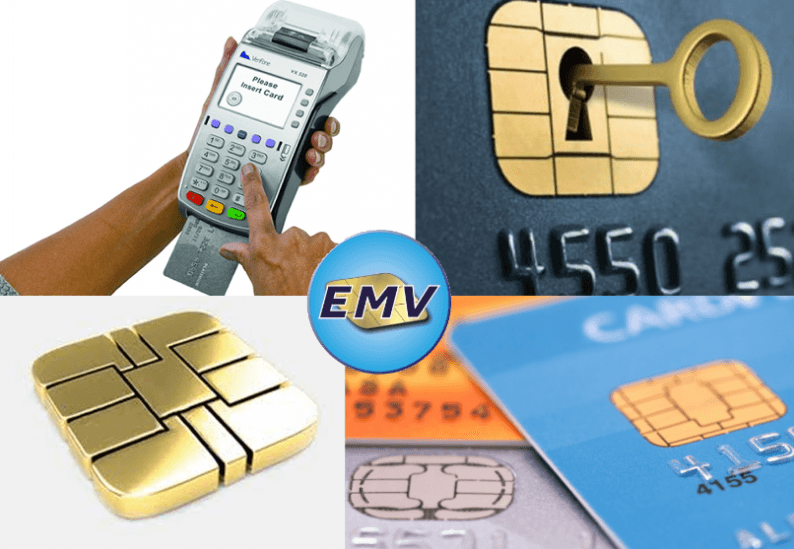
AFL (Application File Locator) is the field that shows where on the card the data needed for the authorization transaction is located. AFL is a list of the application data records on the card, and the terminal uses it to read the application data.
HSM & Security
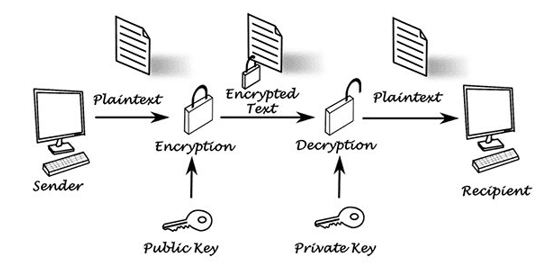
In the world of payment systems, keys and their uses are important for transferring information from one place to another, storing information, and securing authorization and scripting steps. Key types are divided into six categories based on their purpose.
Credit Card
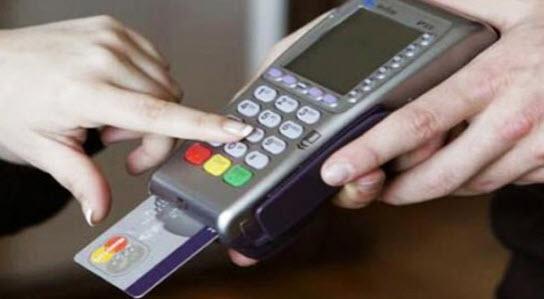
The Application Interchange Profile indicates the application functions supported by the card. The AIP values and their descriptions are given below. Where is the AIP found? The AIP is a 2-byte piece of data stored on the card, carried under EMV tag 82.

Merchant & POS
Terminal Verification Results (TVR): a sequence of bits produced when a terminal reads an EMV card, based on logical checks such as an expired card. This data object is used to decide whether a payment transaction should be accepted online, declined, or allowed to proceed.

Payment Systems
Digitalization keeps changing the speed and shape of payments. AI-based payment agents pay on their own within user-defined limits and rules, completing transactions without the user initiating any action. This post explains how they work and what to watch for.
Security
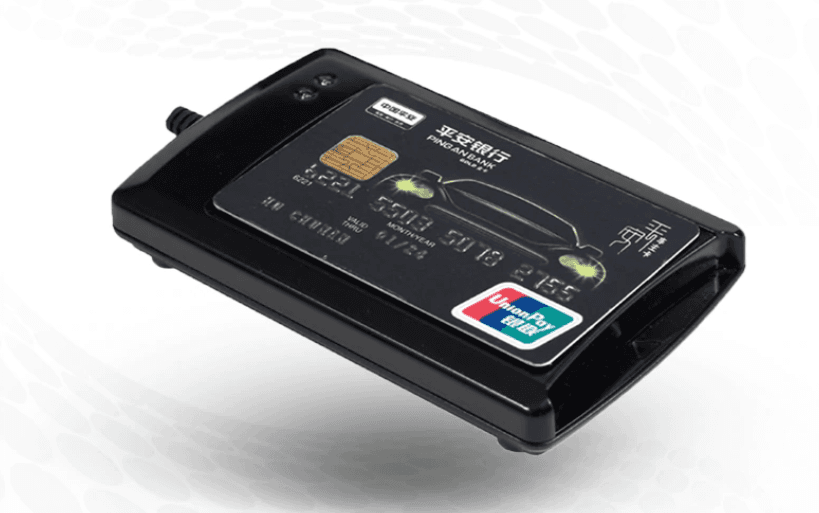
SCRW (Smart Card Reader Writer) can be translated as Smart Card Reader/Writer. Smart chip card readers are sophisticated devices with built-in intelligence, usable in PCs, laptops, servers, smartphones, and set-top boxes.
Merchant & POS
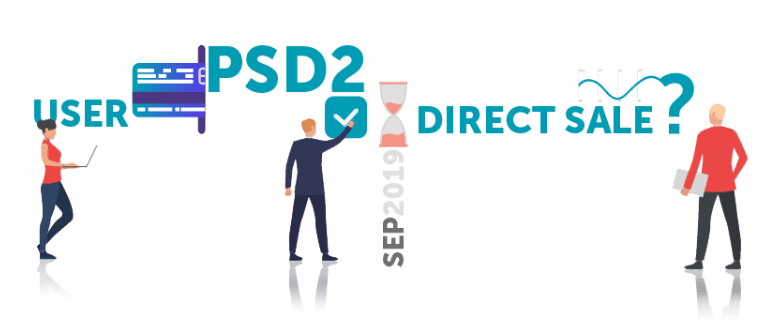
The EU Payment Services Directive 2 (PSD2) is the EU's payment services law. ÖDED translated it into Turkish, creating an important handbook for anyone wanting to invest or work in this area.

Merchant & POS
Address Verification Service (AVS) is a fraud prevention system that helps limit fraud and chargebacks when used effectively. It verifies that the address a customer enters matches the cardholder's address on file with the issuer.

ISO 8583
F64 — Message Authentication Code (MAC): verifies the origin and text of the message between the sender and the receiver.

Online & Authorization
These are codes that communicate the issuer's conditions for approving a transaction online (IAC-Online), for declining it (IAC-Denial), or for declining it when the terminal cannot go online (IAC-Default).
Online & Authorization
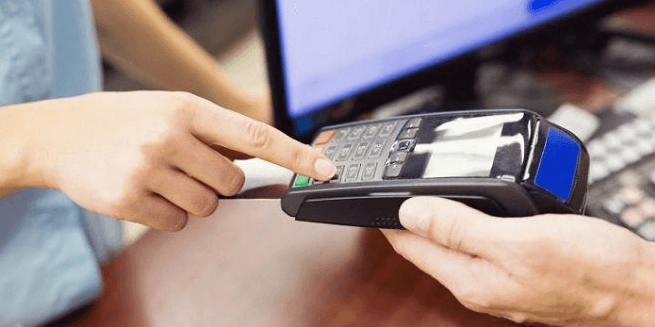
A reference guide to authorization response codes seen on POS and ATM transactions, with plain-language explanations of what each code means and what to do about it.