Credit Card
What Is SAFE (System to Avoid Fraud Effectively)?
SAFE, short for System to Avoid Fraud Effectively, refers to fraud records created by issuing banks. Fraud records sent in the Mastercard clearing format fall under the SAFE category.
Search
109 articles found
Credit Card
SAFE, short for System to Avoid Fraud Effectively, refers to fraud records created by issuing banks. Fraud records sent in the Mastercard clearing format fall under the SAFE category.
Merchant & POS
In EMV-based debit card transactions, PIN verification is decisive for both security and liability. What happens when a card that only supports online PIN is sent to the issuer without a PIN, and the issuer approves it? Who owns the risk?

Payment Systems
Strong Customer Authentication (SCA) is a security requirement introduced under the EU's Payment Services Directive 2 (PSD2) to increase security and reduce fraud in online payment transactions. SCA requires two of three independent authentication factors.

Merchant & POS
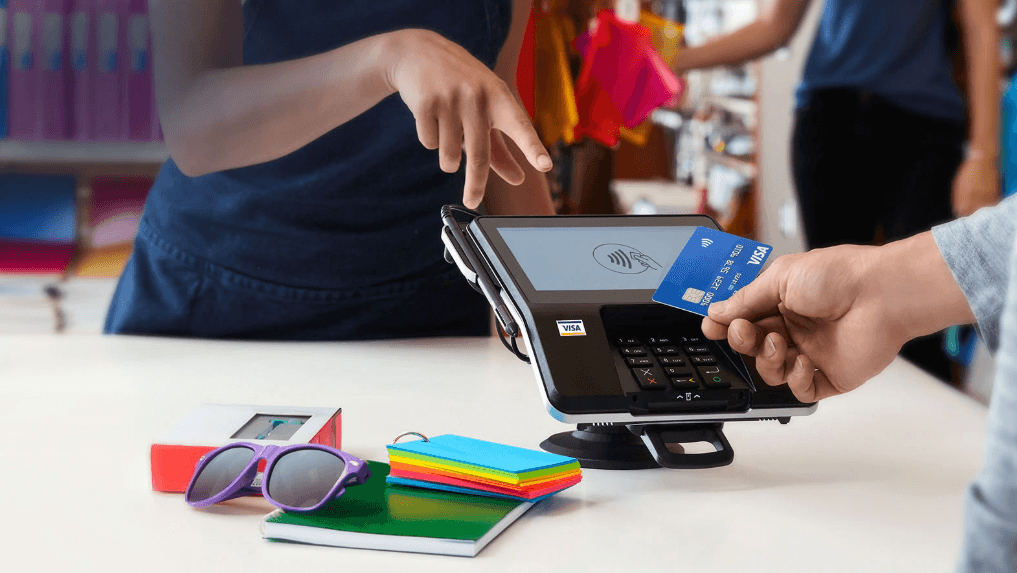
Introduction: When a card (credit card/debit card/prepaid card) is used at an ATM or POS, data must be carried securely between systems. For example, in a store sale, the POS initiates the transaction, which must reach the cardholder's bank intact.

Payment Systems
In payment systems, an “appeal” is the process of objecting to the outcome of a transaction dispute. It is usually discussed alongside chargebacks, but it plays a critical role in interbank dispute resolution, when a party asks the card scheme to re-evaluate a concluded decision.
Payment Systems
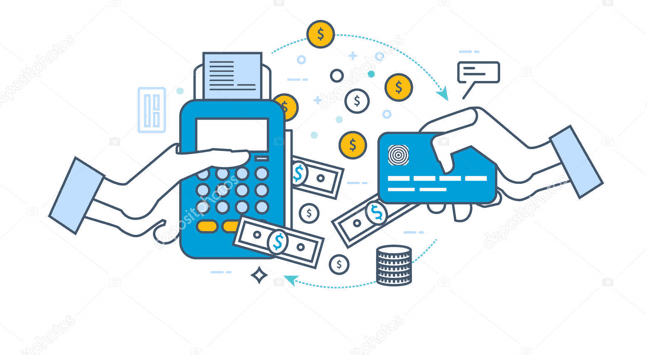
Although many important terms are used in payment systems, the expressions below are its cornerstones — the ABCs of payment systems, so to speak. Issuer: the credit card company, usually a bank, that issues the card and tracks debt, credit, bonus points, and other services for the customer.

Chargeback
A chargeback is when a cardholder asks the issuing bank to refund a transaction made without their knowledge. It cannot be prevented entirely, but simple precautions can minimize the risk. Here is how the process works and what cardholders should do.
Online & Authorization
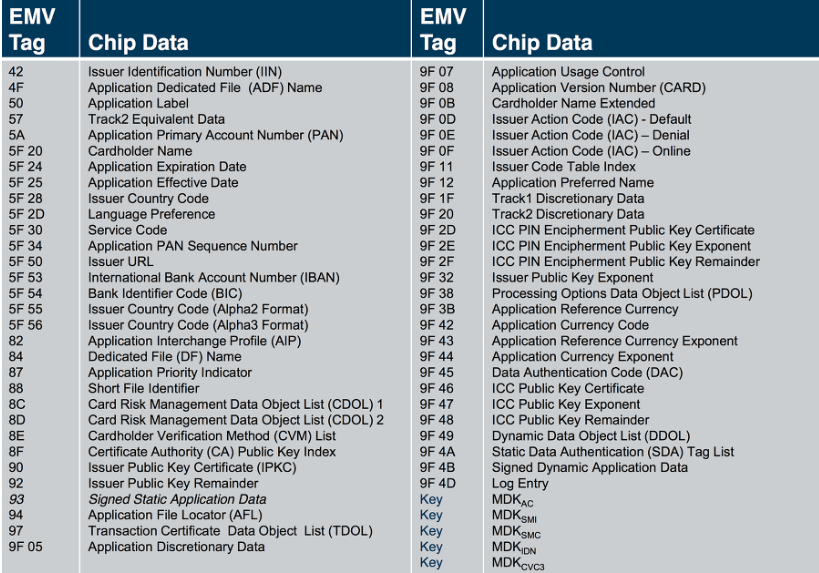
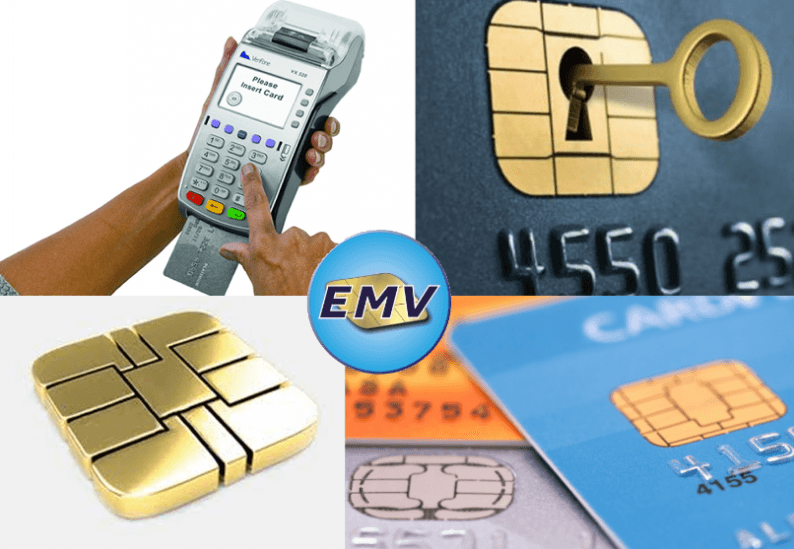
In EMV, data is stored in Tag-Length-Value (TLV) format, and it is carried between the card, the POS terminal, and the authorization system in this same format. This post lists every EMV Tag, its type, and its description.
EMV
The EXTERNAL AUTHENTICATE command asks the application inside the ICC whether it can verify the cryptogram, and the ICC returns the processing status. Below are the components of the External Authenticate command and what issuer authentication means.

Merchant & POS
Below are the definitions of the cornerstone terms of payment systems, as established by the Banks Association of Turkey (TBB): debit card, credit card, merchant, cardholder, and more.

Merchant & POS
GO Secure Payment is a system developed by BKM that verifies cardholders using a one-time password (OTP) during online purchases made with TROY cards, providing banks with a secure verification platform without needing to store card data.
Credit Card
When the card-issuing bank and the POS bank are different, first obtaining authorization and then running the clearing process to finalize the transaction is called Dual Messaging. So why is a dual message structure needed?