Skip to content

Search

"Cardholder Verification"

69 articles found

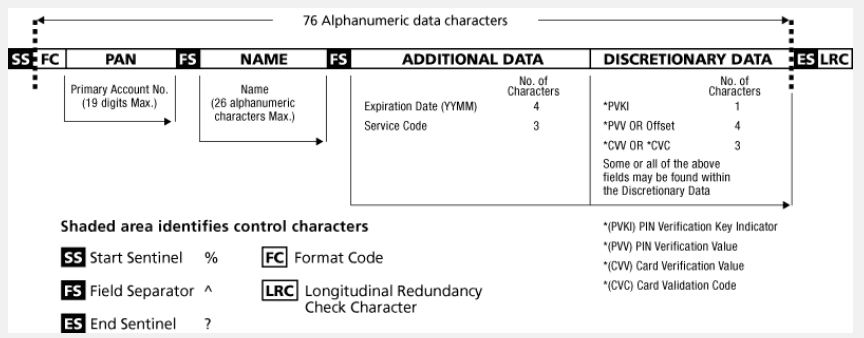
Diagram illustrating the Track 1 data structure and field layout on a magnetic stripe card

Credit Card

What is Track 1?

Track 1 is a special data set encoded on a card's magnetic stripe that contains the card information required for authorization when the card is used physically. It includes the cardholder name, card number, and expiration date.
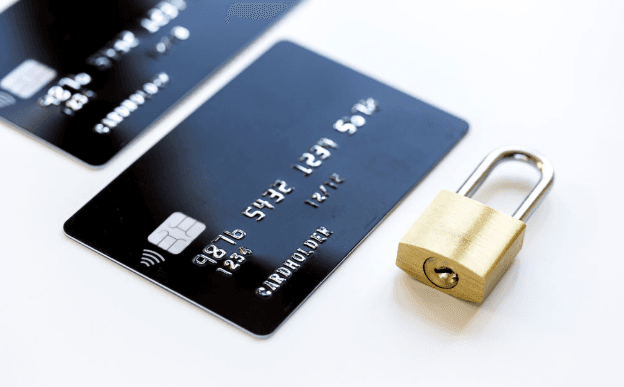
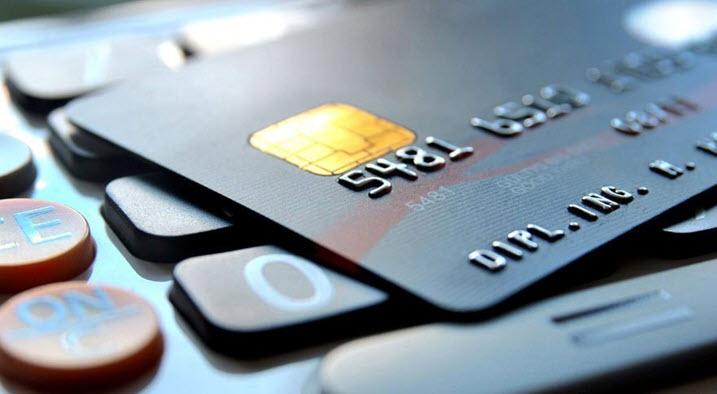
Illustration representing the PIN Verification Key (PVK) concept in HSM security

Credit Card

What is PVK (Pin Verification Key)?

PVK (Pin Verification Key) is a key held on the HSM, used in PIN generation and verification, and therefore to confirm that a PIN is correct. On a shared network it is encrypted under TMK or ZMK; on a local network it is encrypted under one of the LMK pairs.

Payment card illustrating magnetic stripe data used for PIN verification

Credit Card

What is PVV (PIN Verification Value)?

PVV is the number encoded on a card's magnetic stripe that allows the cardholder's PIN to be verified by ATMs and POS terminals. It is a 4-digit cryptogram calculated through a cryptographic operation using the PIN and card data. The real result is longer than 4 digits.

Diagram showing the CAT (Cardholder Activated Terminal) Indicator field used in payment authorization messages

Merchant & POS

What is the CAT (Cardholder Activated Terminal) Indicator?

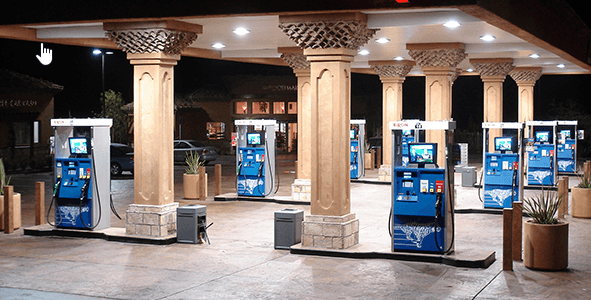
CAT (Cardholder Activated Terminal) devices are typically unattended terminals that accept various payment cards. These terminals are frequently installed at railway ticket stations, gas stations, toll roads, parking lots, and other commercial locations.

Credit card with a built-in fingerprint sensor for biometric cardholder verification

Credit Card

Who Wouldn't Want a Credit Card with a Biometric Reader?

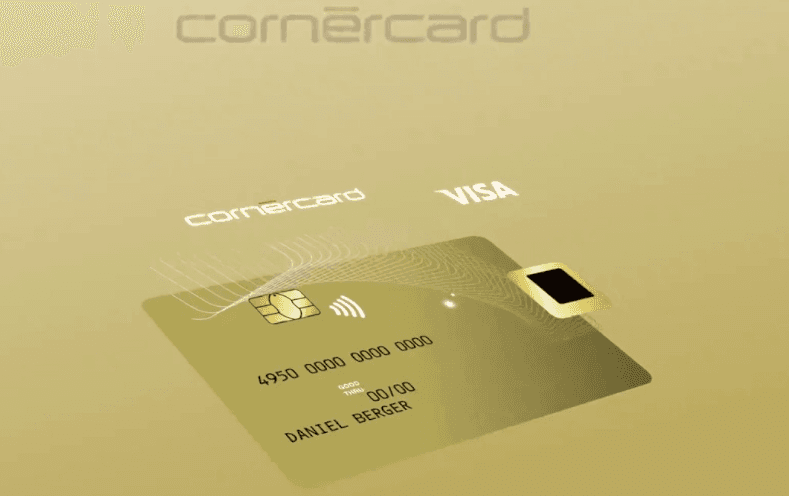
Card security is critical in card payment systems. Chip&Pin curbed much fraud, but gaps remain. Cornercard, Gemalto and Visa launched Switzerland's first credit card with a built-in fingerprint reader. Here is how it works.

Screenshot of an Address Verification Service (AVS) response code table

Merchant & POS

What is Address Verification Service (AVS)?

Address Verification Service (AVS) is a fraud prevention system that helps limit fraud and chargebacks when used effectively. It verifies that the address a customer enters matches the cardholder's address on file with the issuer.

Table of AVS response codes by card scheme, showing address and postal code match results

Payment Systems

What Are the AVS Codes by Card Scheme?

The Address Verification Service (AVS) is a fraud prevention system that, when used effectively, can help limit fraud and chargebacks. This post lists the AVS response codes used by AMEX, Mastercard and Visa, with a description of each.

Table listing ISO 8583 Field 25 (POS Condition Code) values

ISO 8583

ISO 8583 Field Descriptions (F25)

F25 - POINT OF SERVICE (POS) CONDITION CODE is the field that defines the condition under which a POS transaction was performed. Possible values include 00 Normal presentment, 01 Customer not present, 02 Unattended terminal, and more.

Illustration explaining OTP one-time password verification

Security

What Is OTP (One-Time Password)?

These are passwords generated for one-time use and sent to the cardholder's phone to verify card transactions in payment systems. The password sent during a 3D Secure transaction is a common example.

Diagram illustrating the PIN Try Counter concept on a payment card chip

Credit Card

What Is PIN (Personal Identification Number) Try Counter?

The PIN Try Counter is a value stored on the card's chip showing the number of remaining offline PIN attempts. Each incorrect offline PIN entry decreases it by 1, and it resets when the correct PIN is entered.