Skip to content

Search

"authorization code"

109 articles found

Virtual POS (VPOS) online payment interface screenshot

Merchant & POS

What is VPOS (Virtual POS)?

VPOS (Virtual POS) is the software-based, security-enhanced equivalent of the physical POS devices used for card payments at merchants, used for purchases made over the internet. It is also known as Virtual POS. VPOS is not issued to individual customers.

Virtual POS payment system diagram for online card transactions

Merchant & POS

What Is Virtual POS?

Virtual POS is the software-based, security-enhanced equivalent of the physical POS devices used for card payments at merchants, designed for online shopping. It is not issued to individual customers, only to sole proprietorships, companies, or foundations and associations.

Close-up of the card security code printed on the back of a payment card

Credit Card

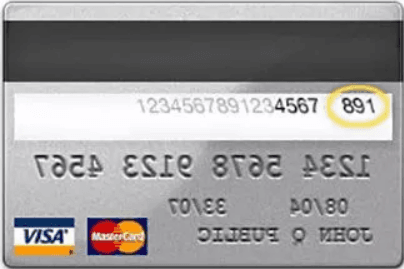
What is the Card Security Code?

The Card Security Code is a 3-digit numeric value used for cardholder verification and to reduce fraud risk. It is generated during card production and printed either on the card or encoded into the Track 1 and Track 2 data.

Diagram of symmetric key types used in payment systems

HSM & Security

Types of Symmetric Keys

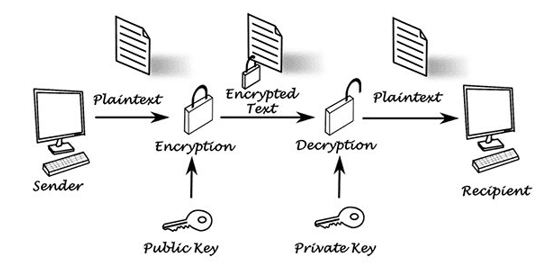
In the world of payment systems, keys and their uses are important for transferring information from one place to another, storing information, and securing authorization and scripting steps. Key types are divided into six categories based on their purpose.

Contactless card payment at an overseas POS terminal that prompts for a PIN after a limit is exceeded

Payment Systems

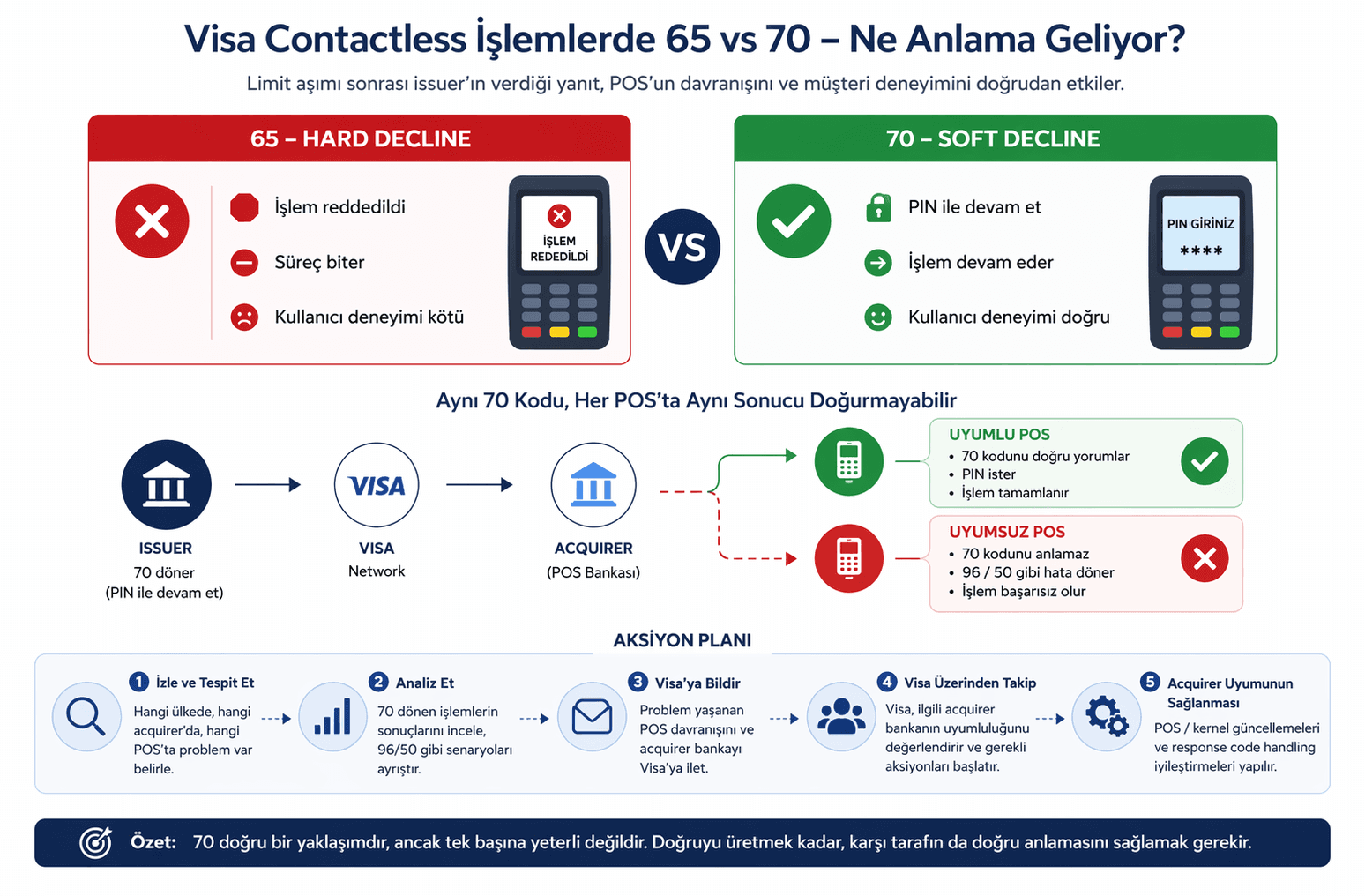
Visa Overseas Contactless Transactions – After Code 70 (Part 2)

After switching to response code 70 for contactless limit-exceeded cases, we found that some overseas POS devices and acquirers did not handle it as expected. This post covers why the problem lies in the ecosystem and how to address it.

Illustration of a card payment approved for a partial amount

Merchant & POS

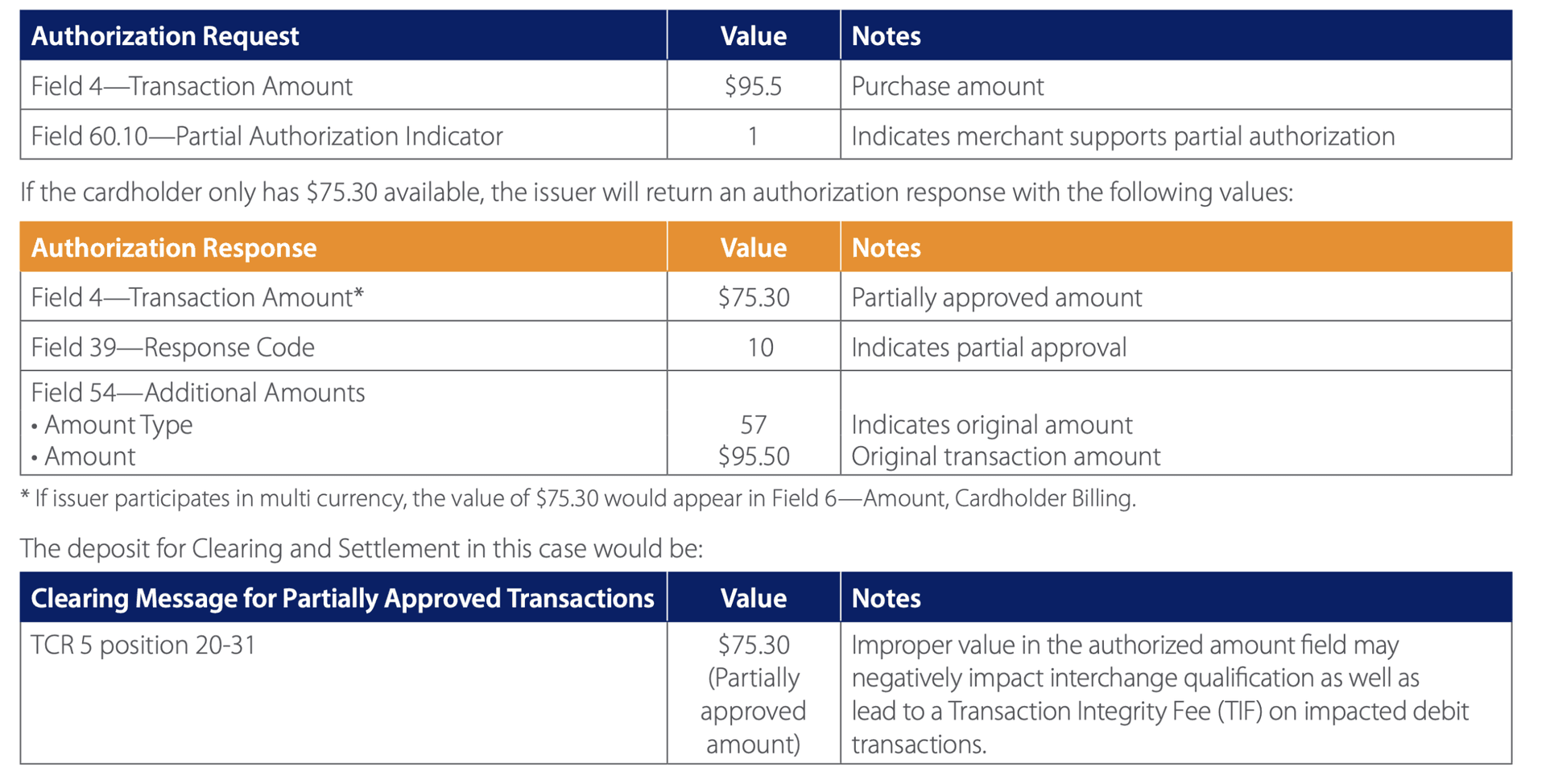
What Is Partial Authorization?

Partial Authorization lets an issuer approve part of a transaction instead of declining it when the balance or limit is insufficient. This post covers how it works in ISO 8583, whether it is mandatory, and why it matters for the business.

Dictionary and glossary book representing payment systems terminology

Merchant & POS

Terms that should be in your payment systems glossary

Below are the definitions of the cornerstone terms of payment systems, as established by the Banks Association of Turkey (TBB): debit card, credit card, merchant, cardholder, and more.

ISO 8583 field 35 Track 2 data

ISO 8583

ISO 8583 Field Descriptions (F35)

The card's Track 2 data is carried in this field. Track 2 data contains information such as the card number, expiry date and service code.

Table of merchant sectors where offline transactions are restricted

Merchant & POS

In Which Sectors Can Offline Transactions Not Be Performed?

An offline transaction is one approved by the card and the POS themselves, without going to any system (the card's bank or the POS's bank), when a chip card transaction is made at a POS. For this reason, some sectors considered risky are restricted.

ISO 8583 field 19 acquiring institution country code

ISO 8583

ISO 8583 Field Descriptions (F19)

F19 — Acquiring Institution Country Code: the country to which the location of the acquiring bank's device (ATM, POS, etc.) belongs.

Secure card storage and tokenization illustration

Merchant & POS

What Is Card Storage?

Card storage is a system, secured with PCI DSS certification, for storing credit and debit card details safely. It saves consumers from entering their card details again and again on frequent purchases.