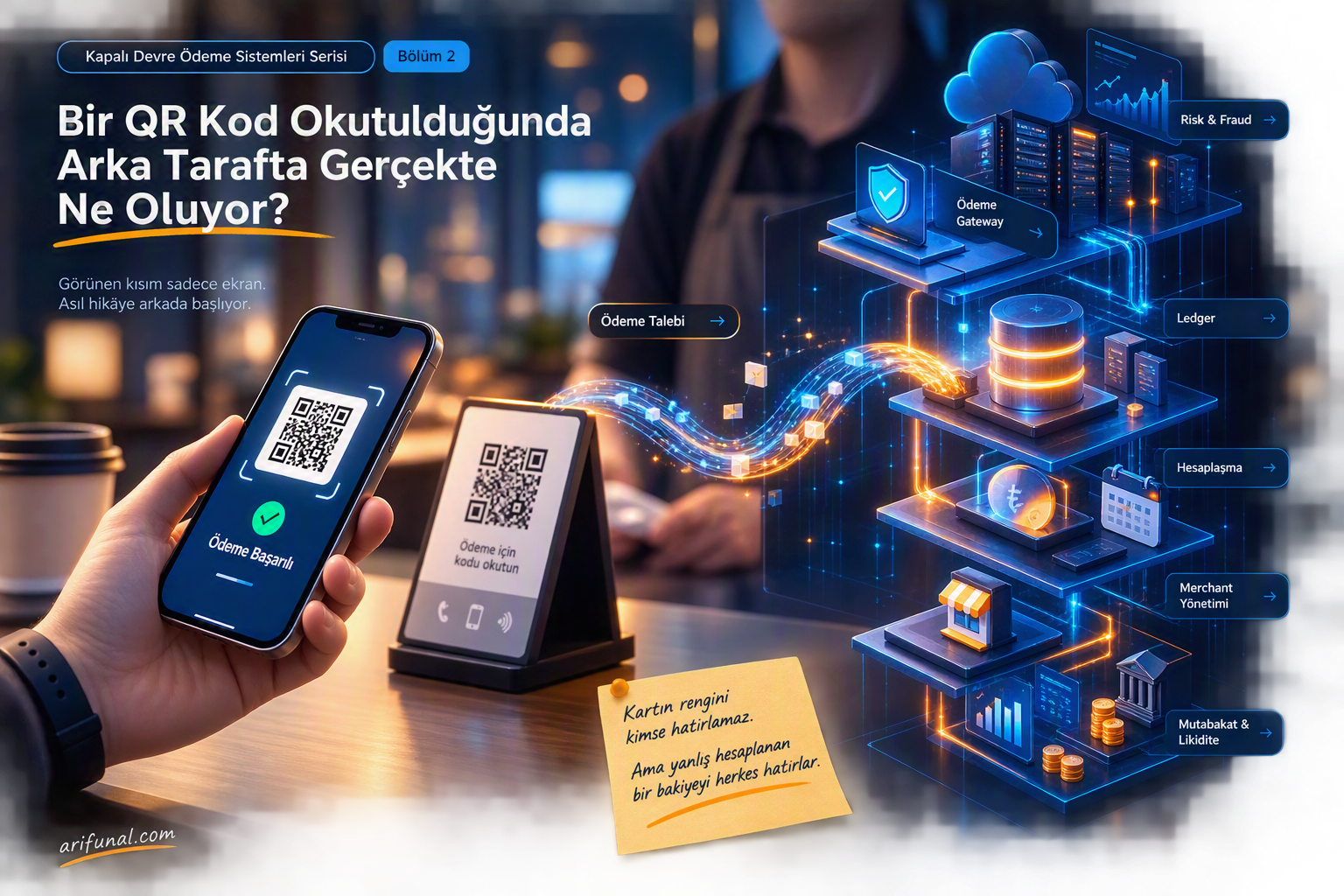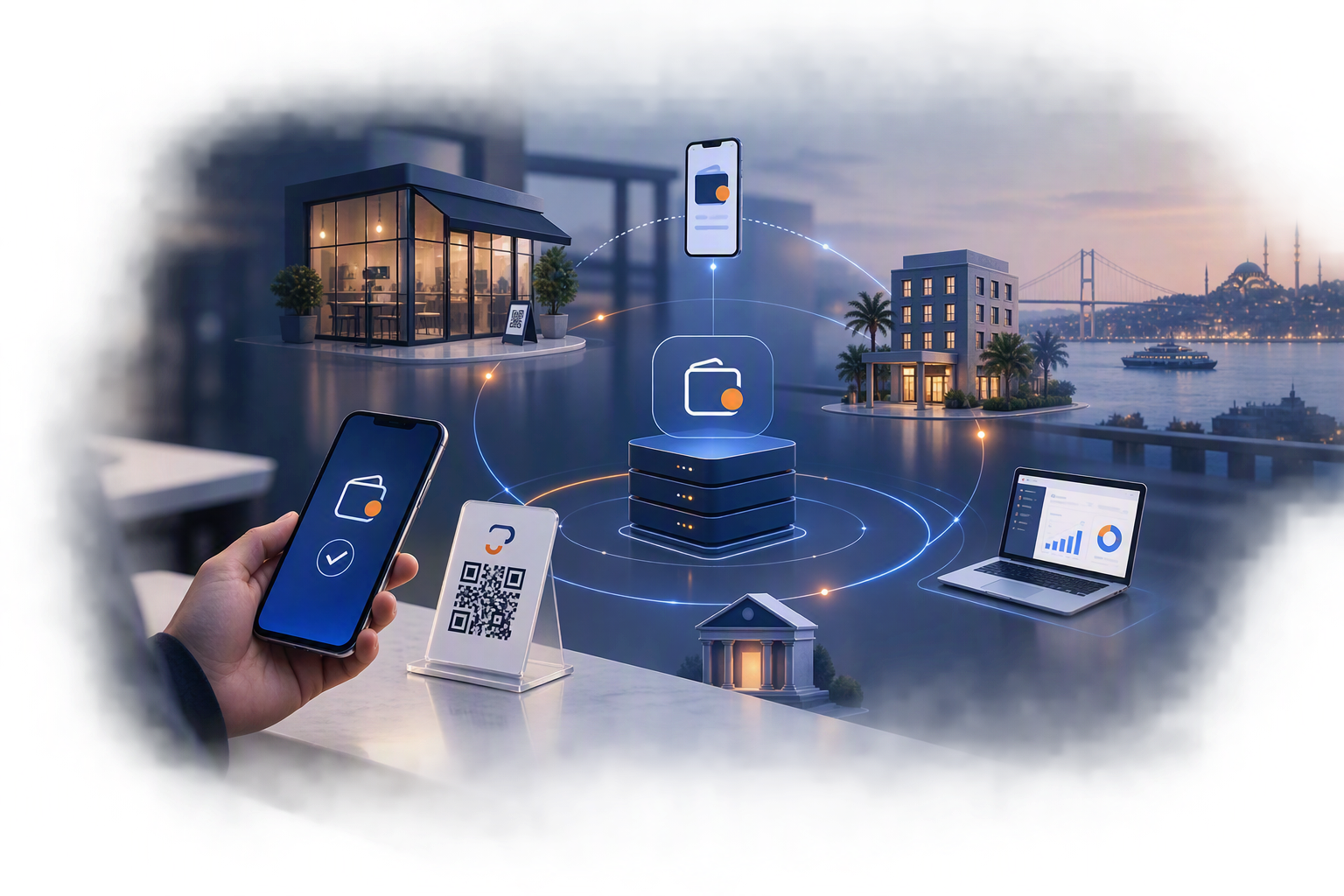
The software-based, security-enhanced version of the physical POS devices used for card purchases at merchants, used for shopping over the internet, is called VPOS (Virtual POS). It is also known as Virtual POS.
VPOS is not issued to individual customers. It can be issued to sole proprietorships, commercial companies, or foundations and associations.
Can a Virtual POS only be issued by banks?
It is not mandatory to work with banks in order to have a Virtual POS. Virtual POS service can also be obtained from companies that provide online payment services (Iyzico, PayU, etc.).
In order for a company to use a Virtual POS, a virtual POS integration must be established with the bank/payment service company.
Virtual POS integrations are generally divided into 3D-secure or non-3D-secure integration. Integration is carried out according to the merchant's preference. Banks direct merchants toward 3D-secure integration in order to increase the level of security.
Banks generally have technical documents and process documents regarding how the integration is to be carried out. During the integration phase, these documents are shared with companies and the integrations are performed accordingly.
Virtual POS accounts do not have the same authority with the bank, due to reasons such as the company's sector code (MCC) and the company's status. In particular, refund transactions made through a virtual POS are considered risky, so refund authority is only granted to highly trusted companies.
So is Virtual POS a paid product?
Yes, Virtual POS is a paid product. A certain membership fee must be paid for a Virtual POS obtained through banks or companies providing online payment services.
Is commission charged on transactions made through a Virtual POS?
During the Virtual POS application process, an agreement is made based on a certain commission rate or a number of blocked (hold) days. According to this agreement, a certain commission is deducted from transactions made through the Virtual POS.
What can be done with a Virtual POS?
- Online transactions can be made with a debit card or credit card.
- Online sales can be made to domestic or international customers.
- Installment transactions can be made through the website.
- Recurring payments, such as insurance payments, can be scheduled to collect periodic payments.
- Customers' card information can be stored securely, enabling customers to complete their purchases more quickly.