Skip to content

Search

"customer service"

209 articles found

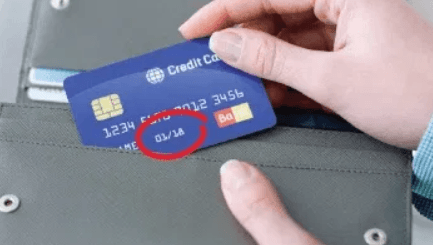
Credit card expiration date printed on the front of a card

Credit Card

What Is Effective Date?

The Effective Date is the information showing the date until which a card can be actively used. It can also be called the expiration date. It is a mandatory field printed on the card and used in transactions, set by banks for card security.

Illustration representing Strong Customer Authentication (SCA) under PSD2

Payment Systems

What is Strong Customer Authentication (SCA)?

Strong Customer Authentication (SCA) is a security requirement introduced under the EU's Payment Services Directive 2 (PSD2) to increase security and reduce fraud in online payment transactions. SCA requires two of three independent authentication factors.

Credit card representing a periodic limit increase

Credit Card

What Is a Periodic Credit Limit Increase?

As credit card use grows, so does the importance of raising your limit to keep pace with inflation. Learn how periodic limit increases work, who qualifies, and the legal caps that apply.

Diagram illustrating TCR (Transaction Record Component) packets used in payment clearing and settlement files

Payment Systems

What Is TCR (Transaction Record Component)?

TCR stands for Transaction Record Component, the packets that carry transaction information in a clearing system. Transaction types in a clearing file are distinguished by transaction code and usage code values, and this data is sent inside TCR packets.

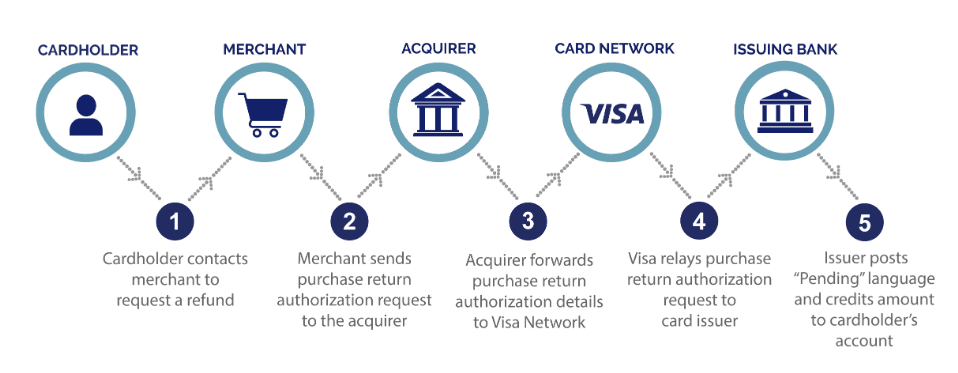
Diagram explaining the Visa Purchase Return Authorization process for card refunds

Credit Card

What Is Purchase Return Authorization?

A structure developed by Visa for purchase refund transactions. The purchase return authorization message lets cardholders view their refund transactions in real time, improving the customer refund experience.

PIN try counter on chip cards

Credit Card

What Is the PIN Try Count?

The PIN Try Count is the maximum number of failed offline PIN verifications that can be made with the card. Banks usually keep both the consecutive wrong PIN count and the maximum wrong PIN count.