Skip to content

Search

"fintech"

51 articles found

Foreign payment institutions operating in Türkiye

Payment Systems

Can Foreign Payment Institutions Operate in Türkiye?

All payment and electronic money institutions operating in Türkiye fall under the relevant regulation. A license from a foreign authority is not enough; a foreign institution must obtain a license from the Central Bank.

Numberless bank card design concept with no printed digits

Credit Card

Did Someone Say a Numberless Card?

When we think of a credit card, we picture one printed with the Card Number, Cardholder Name, Expiration Date, and CVV2 information. But what if we told you there is a card with no numbers on it at all? It may sound strange at first, but...

Illustration of remote identity verification and open banking in digital banking

Laws & Regulations

Remote Identity Verification, Reliance on Third Parties and Open Banking

Digitalization is changing how banks onboard customers. This post covers digital identity, verification methods, what the Turkish ID card offers, and Article 43 of the Regulation on Information Systems of Banks and Electronic Banking Services on remote identity verification and open banking.

Illustration of equity-based crowdfunding, where many investors fund a project through an online platform in exchange for shares

Laws & Regulations

What is the Equity-Based Crowdfunding Regulation?

The Equity-Based Crowdfunding Communiqué entered into force with its publication in the Official Gazette on 03.10.2019 and explains how money is raised from the public through crowdfunding platforms in exchange for shares. What are crowdfunding and equity-based crowdfunding?

Illustration of the transfer of payment regulation powers from the BRSA to the CBRT in Turkey's fintech ecosystem

Laws & Regulations

Some Powers of the BRSA Transferred to the CBRT

Turkey is rapidly implementing the items in the 11th Development Plan for a fintech ecosystem with equal opportunity. Under the approved law amendment, some BRSA powers over payment services and e-money companies were transferred to the CBRT, making it the single authority in payments.

Diagram illustrating the NextGenPSD2 framework for open banking APIs

Open Banking

What Is NextGenPSD2?

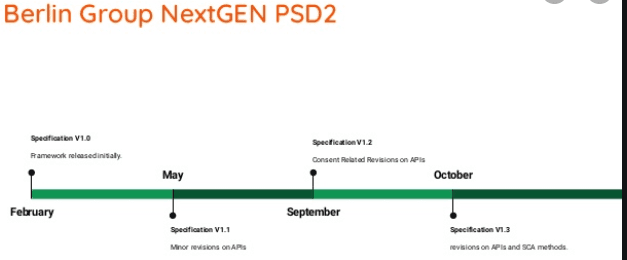
NextGenPSD2 is the set of API standards launched by the Berlin Group in 2017, now involving more than 1,700 banks from 20 countries. This post explains what the framework offers to banks, fintechs and third-party providers under PSD2.

Illustration of Third Party Provider (TPP) roles in Open Banking, including PISP and AISP

Payment Institutions & E-Money

What is a Third Party Provider (TPP)?

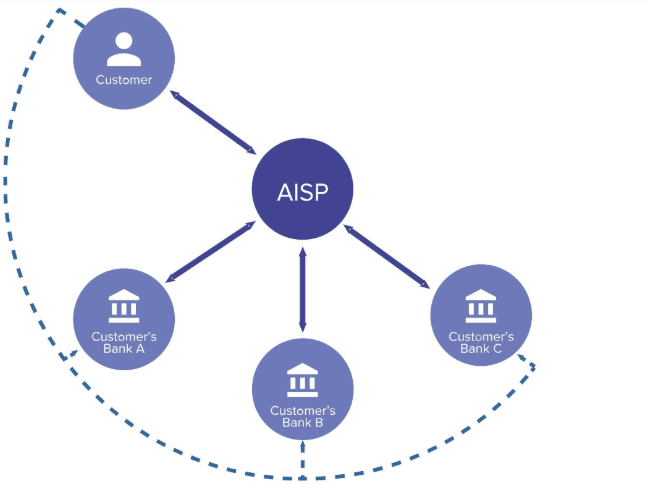
The term 'Third Party Provider' refers to an authorized online service provider introduced under Open Banking. These are systems outside a customer's relationship with their bank that mediate the transaction. So how many types of third party provider are there? Two.

Illustration of a digital wallet storing payment card information

Credit Card

What Is a Wallet?

The term 'wallet' has many definitions in payments and fintech. In general, it refers to digital wallets (e-wallets) used in e-commerce, popular because they let users securely store payment information and pay easily.

GrabPay Card Mastercard launch illustration

Credit Card

GrabPay Card Launched

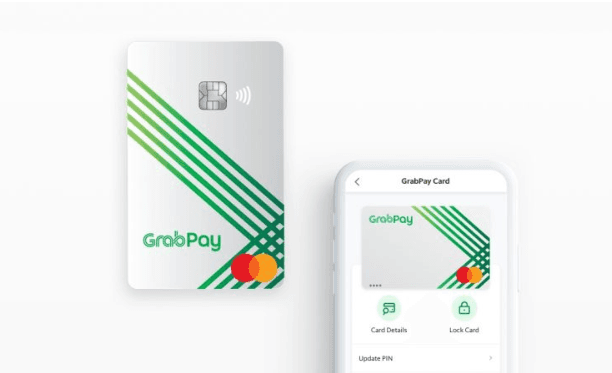
Grab, one of Southeast Asia's ride-hailing companies with a strong interest in finance, has introduced the GrabPay Card. Like the Apple Card, the physical card carries no card number, name or expiry date.