Skip to content

Search

"issuer"

138 articles found

Credit cards inside an open wallet

Merchant & POS

Who is liable for a transaction made without a PIN?

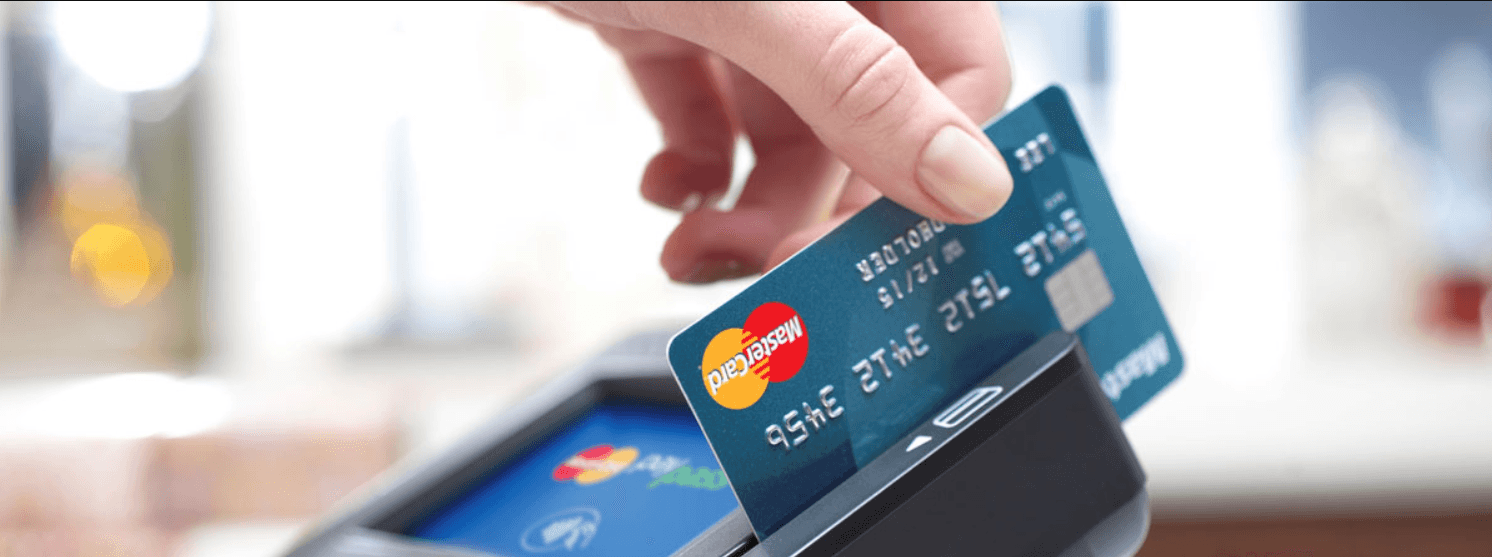
Almost all of us carry at least one credit card. Imagine losing your wallet with all your cards inside, and someone with bad intentions finding it and using the cards without a PIN. Who bears the responsibility?

Diagram showing the components of the External Authenticate command

EMV

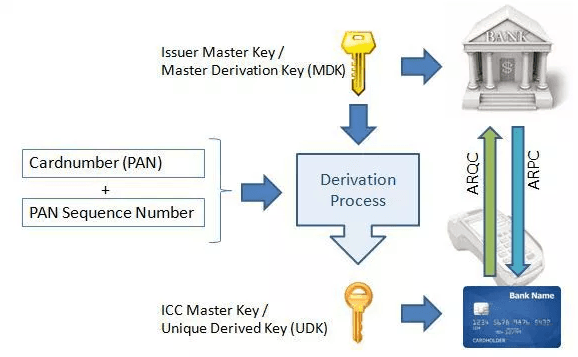
What is the External Authenticate Command?

The EXTERNAL AUTHENTICATE command asks the application inside the ICC whether it can verify the cryptogram, and the ICC returns the processing status. Below are the components of the External Authenticate command and what issuer authentication means.

Illustration of personal data protection under the Turkish Personal Data Protection Law (KVKK)

Merchant & POS

What is the Personal Data Protection Law (KVKK)?

The Personal Data Protection Law was adopted by the Grand National Assembly of Turkey on 24/03/2016 and published in Official Gazette No. 29677 on 07/04/2016. It protects individuals' rights in the processing of personal data and sets the rules that data controllers must follow.

Diagram illustrating the types of chargeback disputes in card payments

Chargeback

What are the chargeback dispute types?

A chargeback is a dispute raised against a card transaction when the cardholder did not make it or does not recall it. The dispute types vary depending on the situation; let's look at them.

Diagram of basic payment systems terminology including issuer, acquirer, and authorization

Payment Systems

Basic Terms Used in Payment Systems

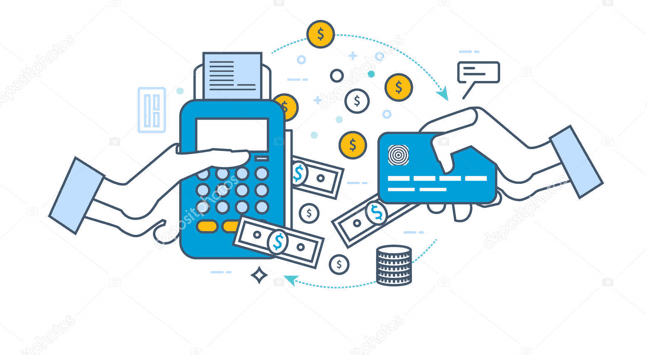
Although many important terms are used in payment systems, the expressions below are its cornerstones — the ABCs of payment systems, so to speak. Issuer: the credit card company, usually a bank, that issues the card and tracks debt, credit, bonus points, and other services for the customer.

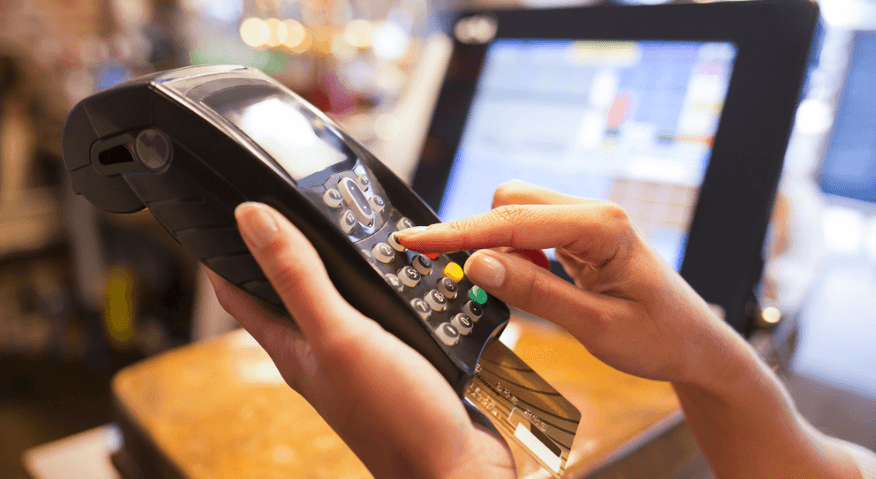
POS terminal used for EMV card payment processing

Merchant & POS

TVR (Terminal Verification Results)

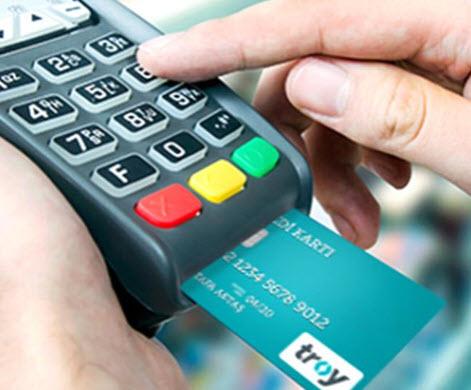
Terminal Verification Results (TVR): a sequence of bits produced when a terminal reads an EMV card, based on logical checks such as an expired card. This data object is used to decide whether a payment transaction should be accepted online, declined, or allowed to proceed.

Architecture diagram of the Visa EAS Server within the Visa Secure 3-D Secure authentication flow

EMV

What Is the Visa EAS Server?

The Visa EAS Server (Extended Access Service) is a server used in Visa’s authentication infrastructure. It was developed to run the cardholder authentication process securely between banks and the Visa network, particularly within Visa Secure (3-D Secure 2.x).

Table of Visa and Mastercard fraud codes and descriptions

Security

What Are the Visa and Mastercard Fraud Codes?

Fraud means obtaining unjust gain by carrying out a transaction at a merchant or ATM using someone else's credit card or debit card, causing a loss to the real cardholder, the merchant, or the bank. So what fraud codes do Visa and Mastercard use?

Bitcoin and electronic money under Law No. 6493

Laws & Regulations

Is Bitcoin Electronic Money Under Law No. 6493?

No. Bitcoin is not issued by any public or private institution and has no guaranteed backing, so it is not considered electronic money under Law No. 6493 and cannot be supervised under that Law.

Illustration of the Mastercard Data Integrity Monitoring Program for transaction data quality

Credit Card

What Is the Data Integrity Monitoring Program?

Published by Mastercard on 24 May 2019, the Data Integrity Monitoring Program monitors transactions (authorization, clearing, chip, chargeback, etc.) in the Mastercard system to reduce erroneous transactions and increase transaction success rates.

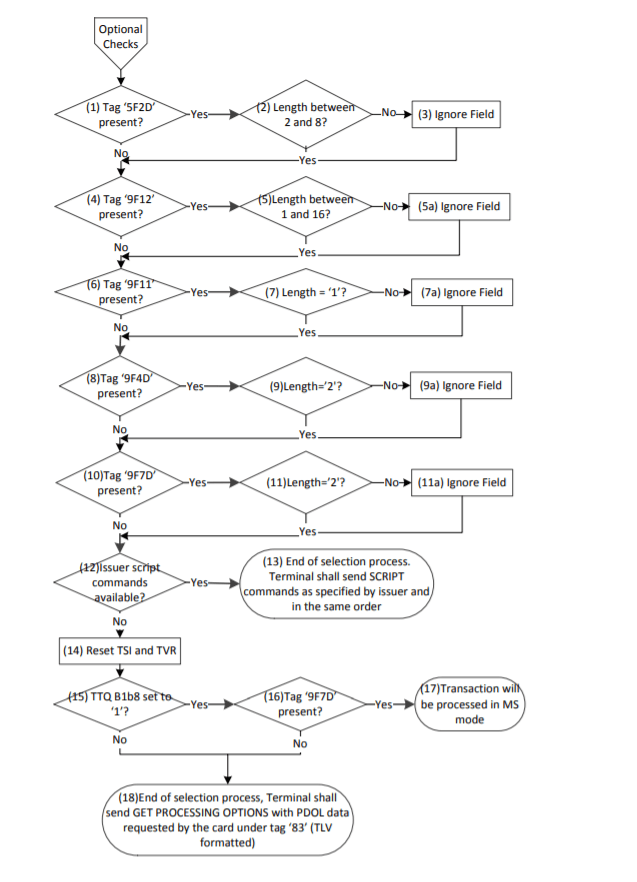
EMV Application Preferred Name tag 9F12 illustration

Credit Card

What Is Application Preferred Name?

Application Preferred Name is an optional alphanumeric EMV data element of 1–16 characters, sent in tag 9F12. It is stored on the card and gives the card application a more descriptive name than the Application Label.