Skip to content

Search

"magnetic stripe"

66 articles found

Example of a POS transaction receipt (slip)

Merchant & POS

Don't Dismiss the POS Receipt

In daily credit card purchases, the POS produces two receipts: the Customer Copy and the Merchant Copy. The cardholder gets the customer copy; the merchant keeps its own copy by law.

Diagram illustrating the Card Verification Key (CVK) concept

Credit Card

What is CVK (Card Verification Key)?

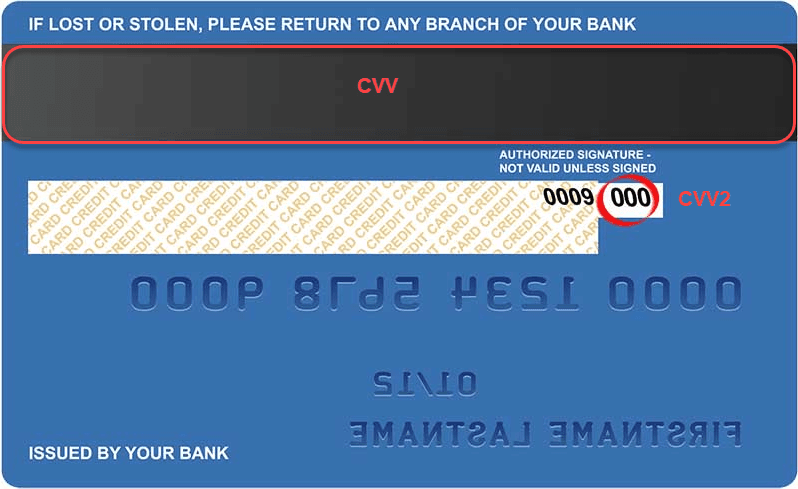
CVK (Card Verification Key) is the key information used to generate and verify CVV/CVC values, confirming their validity. It is kept as a pair of keys, CVK A and CVK B, encrypted under TMK, ZMK or LMK.

Diagram explaining how the CVV/CVC code is generated and verified on payment cards

Credit Card

What is CVV/CVC?

CVV is short for Card Verification Value, a term used by Visa. CVC is short for Card Verification Code, a term used by MasterCard. The CVV/CVC code is used for cardholder verification and to reduce fraud risk.

Diagram explaining PVKI and PVV calculation in card PIN verification

Credit Card

What Is PVKI (PIN Verification Key Index)?

PVKI is the abbreviation for PIN Verification Key Index. It is located within the card's Track 1 and Track 2 data and is used in PVV calculation. It can take values from 1 to 6, usually defaulting to 1.

Diagram illustrating the structure of Track2 data on a card's magnetic stripe

Credit Card

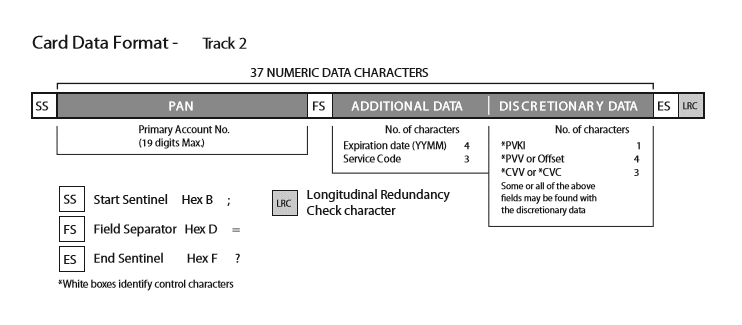
What Is Track2?

A special data set printed on a card's magnetic stripe, containing the card information required for authorization when the card is used physically. It consists of 40 numeric characters. The Track2 field structure includes several data fields such as length and description.

Diagram of the chargeback process between cardholder, issuer and acquirer

Chargeback

How to Reduce Chargebacks (For Cardholders)

A chargeback is when a cardholder asks the issuing bank to refund a transaction made without their knowledge. It cannot be prevented entirely, but simple precautions can minimize the risk. Here is how the process works and what cardholders should do.

Diagram illustrating the Track 1 data structure and field layout on a magnetic stripe card

Credit Card

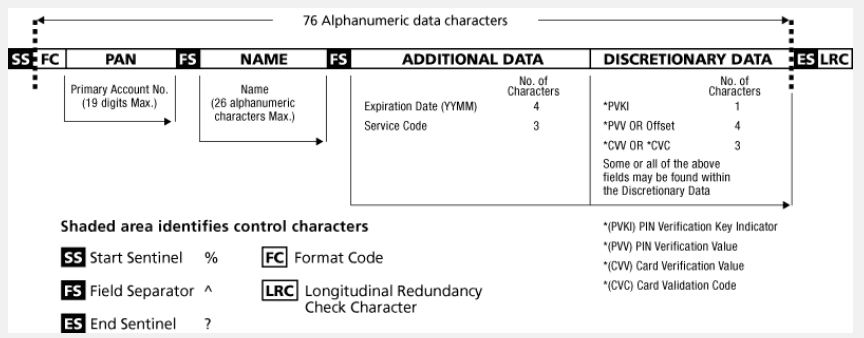
What is Track 1?

Track 1 is a special data set encoded on a card's magnetic stripe that contains the card information required for authorization when the card is used physically. It includes the cardholder name, card number, and expiration date.

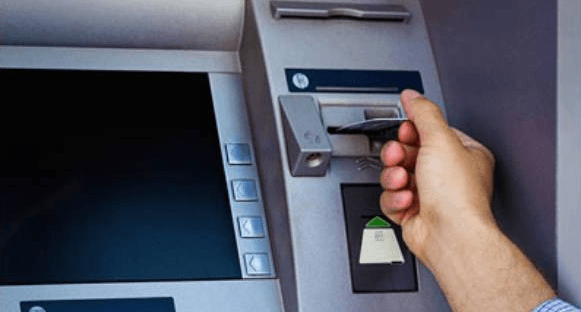
ATM card reader unit

ATM

What are an ATM's Input and Output Units?

The units that let an ATM receive data are called Input Units, and the units that display data are called Output Units. Learn about the card reader, keypad, speaker, display, receipt printer, and cash dispenser.

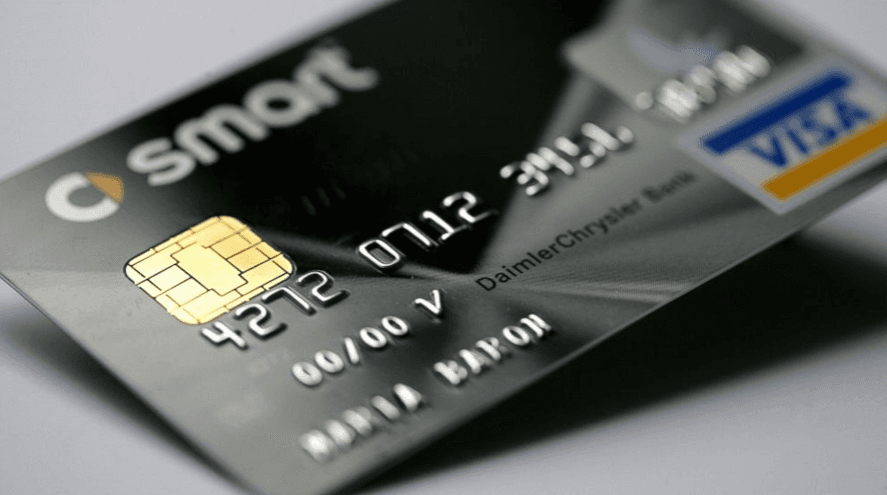
Close-up of a bank card's chip failing to be read by a POS terminal

Credit Card

What should I do if my card's chip isn't reading?

If your card's chip won't read, the chip data is likely corrupted or the POS's chip reader is faulty. This is usually caused by magnetic interaction with another card's chip.

Diagram showing the structure of ISO 8583 field F48 (Additional Data)

ISO 8583

ISO 8583 Field Descriptions (F48)

DE 48 - ADDITIONAL DATA: these are additional data fields that can be used specifically for transactions. It is 255 characters long. Field F48 carries many pieces of information and is divided into PDS (Private Data Subelements).