Skip to content

Search

"Issuer"

138 articles found

Illustration of the transfer of payment regulation powers from the BRSA to the CBRT in Turkey's fintech ecosystem

Laws & Regulations

Some Powers of the BRSA Transferred to the CBRT

Turkey is rapidly implementing the items in the 11th Development Plan for a fintech ecosystem with equal opportunity. Under the approved law amendment, some BRSA powers over payment services and e-money companies were transferred to the CBRT, making it the single authority in payments.

Screenshot of an Address Verification Service (AVS) response code table

Merchant & POS

What is Address Verification Service (AVS)?

Address Verification Service (AVS) is a fraud prevention system that helps limit fraud and chargebacks when used effectively. It verifies that the address a customer enters matches the cardholder's address on file with the issuer.

EMV application block command

EMV

What Is the Application Block Command?

The Application Block command is sent to invalidate the selected application on a card after the card has been issued. Unlike Card Block, it can be reversed.

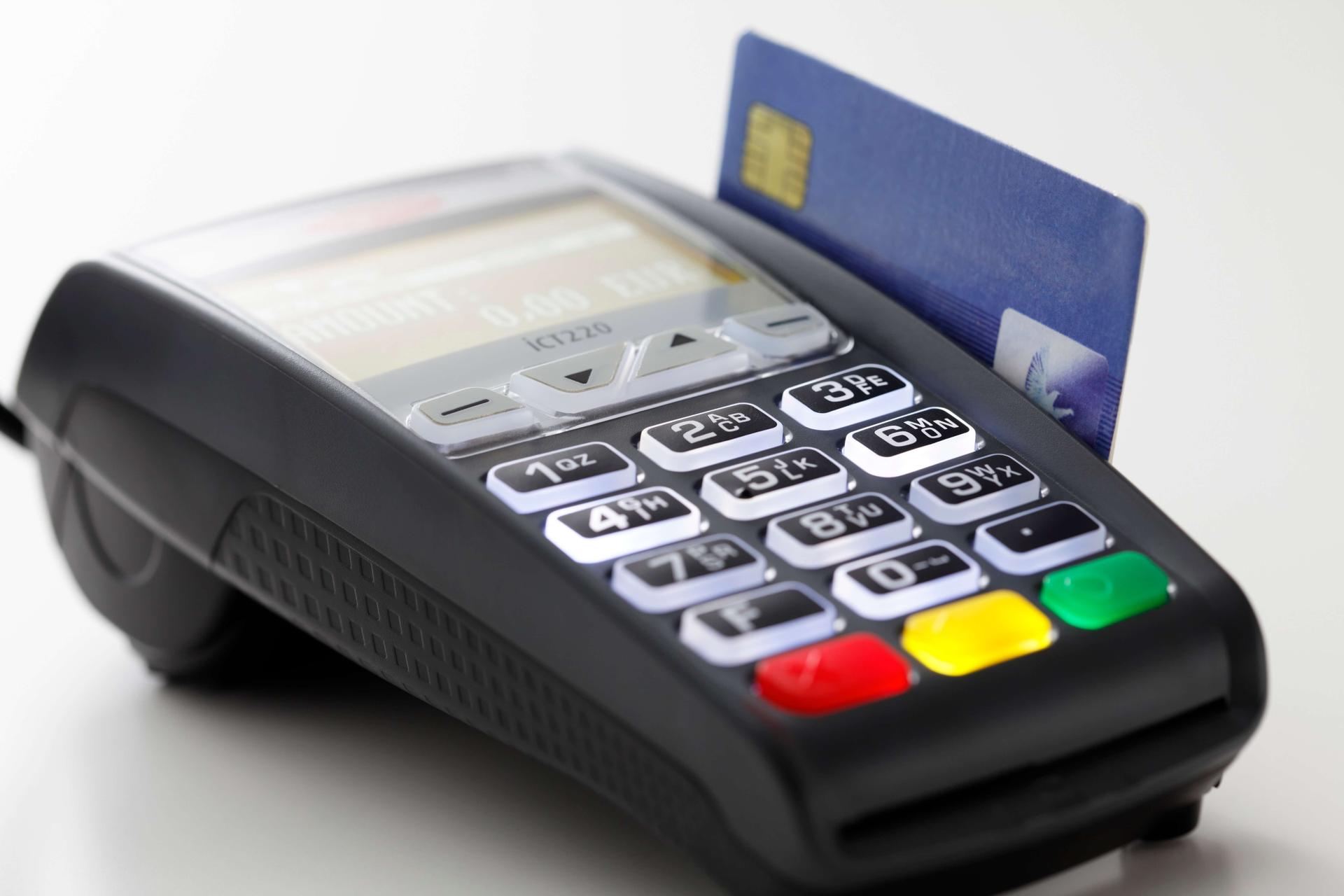
POS terminal device used to process chip card payments

Merchant & POS

What is Application Usage Control (AUC)?

AUC (Application Usage Control) specifies restrictions that limit an application by geography or by specific transaction types. It is a 2-byte data element in Tag 9F07. If present, the terminal performs checks such as whether the transaction is at an ATM.

Illustration of a money transfer being sent from one payment card to another

Credit Card

What Is a Card-to-Card Money Transfer?

Card-to-Card Money Transfer (CCMT) lets customers send money 24/7 from a credit, debit, or prepaid card to another card via ATM, internet banking, call center, or mobile app.

Diagram showing the Issuer Domain, Interoperability Domain and Acquirer Domain in 3D Secure

Merchant & POS

What are Payment Scheme 3D Secure systems?

3D Secure is short for Three Domain Secure (Issuer Domain, the Interoperability Domain and the Acquirer Domain), used to increase security in online transactions. Known to cardholders as 3D Secure, these systems are given unique names by payment schemes (MasterCard, Visa, etc.).

Diagram showing how an international card transaction is processed

Online & Authorization

How does the international transaction flow work?

When a card transaction is made abroad, banks usually calculate the cost from a percentage commission, a fixed commission, and an exchange rate margin. The flow starts when the customer requests a cash withdrawal at a foreign ATM.

Diagram of the chargeback process between cardholder, issuer and acquirer

Chargeback

How to Reduce Chargebacks (For Cardholders)

A chargeback is when a cardholder asks the issuing bank to refund a transaction made without their knowledge. It cannot be prevented entirely, but simple precautions can minimize the risk. Here is how the process works and what cardholders should do.