Credit Card
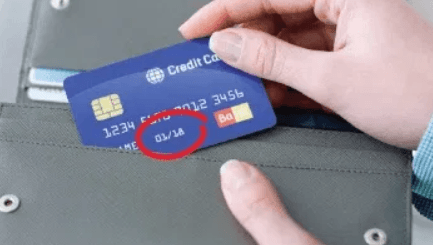
What Is a Card Expiration Date?
What is a card expiration date? Learn why banks print this date on every card, how it's used in purchases, and what happens once it passes.
Search
148 articles found
Credit Card
What is a card expiration date? Learn why banks print this date on every card, how it's used in purchases, and what happens once it passes.

ISO 8583
F90 - ORIGINAL DATA ELEMENTS: the data elements from an original message, designed to identify the transaction in correction or reversal transactions. Subfields: Original MTI, Original DE 11 (STAN), Original DE 7, Original DE 32, Original DE 33.
Credit Card
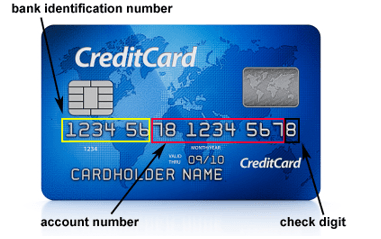
BIN stands for Bank Identification Number, the unique code made up of a card's first 6 digits that identifies which bank issued it, under the ISO/IEC 7812 standard.
Credit Card
Banks welcome limit increase requests from customers with regular payments and a steady income, and they analyze each request in detail. Here are the channels you can use to submit one.

Merchant & POS
Address Verification Service (AVS) is a fraud prevention system that helps limit fraud and chargebacks when used effectively. It verifies that the address a customer enters matches the cardholder's address on file with the issuer.
Laws & Regulations
The purpose of Law No. 6493 is to regulate the procedures and principles for payment and securities settlement systems, payment services, payment institutions and electronic money institutions.

Online & Authorization
Below are the EFT codes of banks located within Turkey, which are used both during the payment systems authorization stage (Field 32) and in banking transactions.

Cryptocurrency
Bitcoin is a digital currency launched experimentally in 2009 by Satoshi Nakamoto. It has no ties to any central bank, can be bought and sold with national currencies and can be transferred without any intermediary.
Online & Authorization
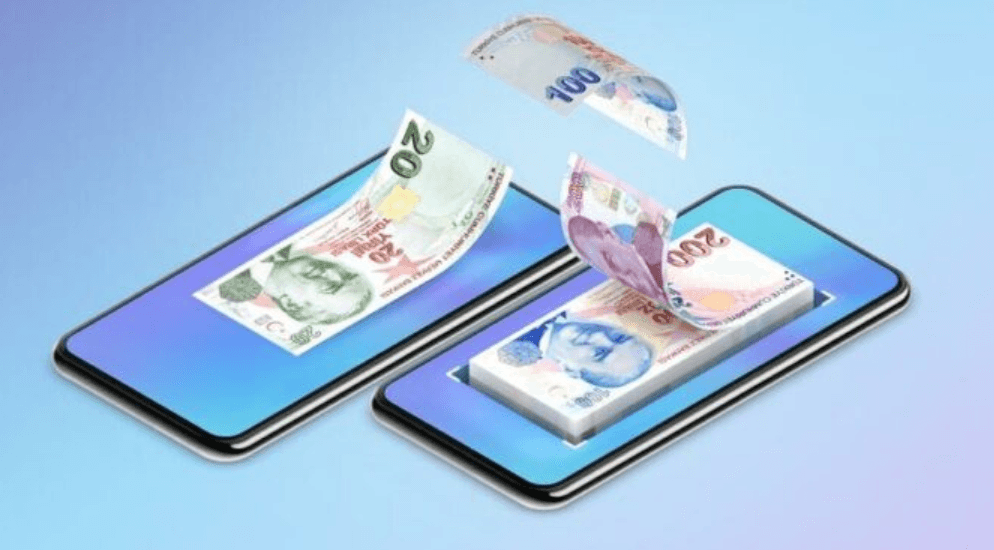
Account-to-account (A2A) payments can be described as making a payment by transferring money from one bank account to another. Though similar to wire transfer/EFT, combining the transfer with the payment creates a seamless experience.
ISO 8583
Fields F4, F5, F6, F49, F50, and F51 are the Amount and Currency fields sent in the authorization message. For example, for a 300 Euro transaction, the amount and currency information sent in these fields is as follows.
Credit Card
PVK (Pin Verification Key) is a key held on the HSM, used in PIN generation and verification, and therefore to confirm that a PIN is correct. On a shared network it is encrypted under TMK or ZMK; on a local network it is encrypted under one of the LMK pairs.
Payment Systems
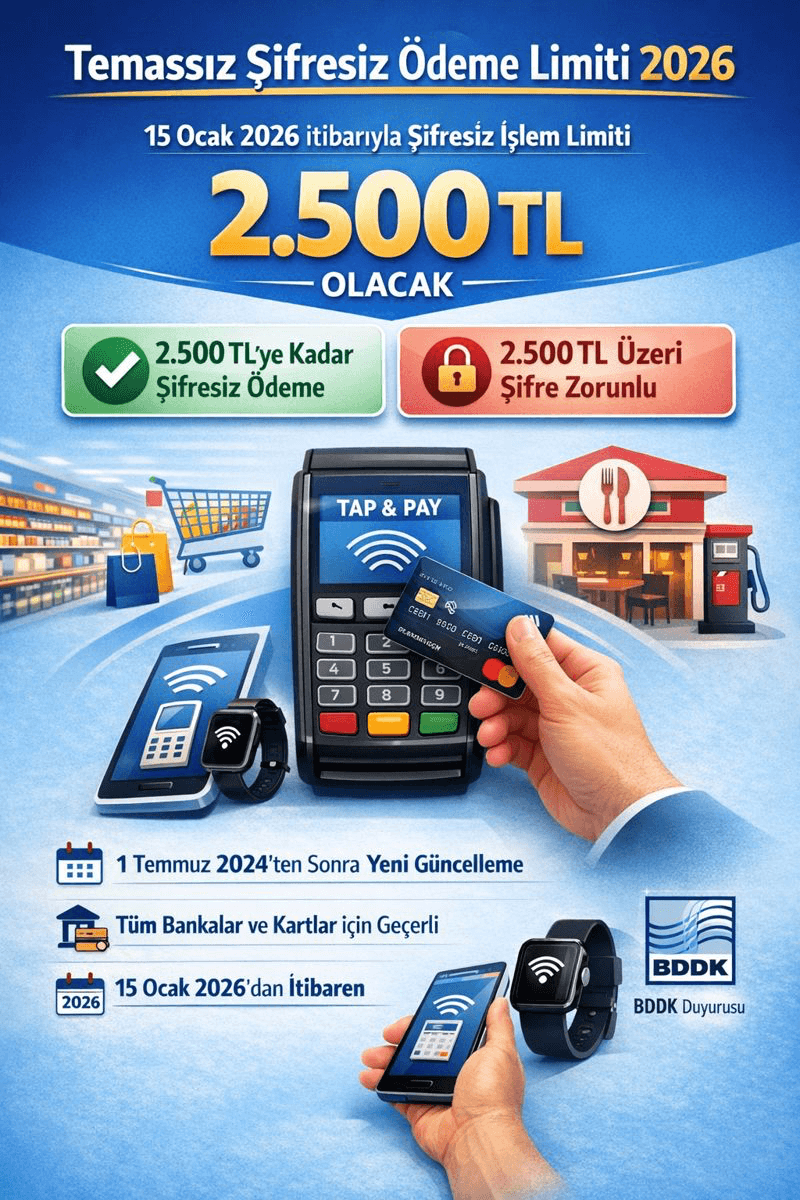
An official BRSA letter to banks announced an update to the PIN-free contactless payment limit. From January 15, 2026, contactless payments of up to 2,500 TL can be made without entering a PIN, up from the current 1,500 TL.