Skip to content

Search

"merchant acquiring"

74 articles found

Diagram showing how pre-authorization blocks a card's available limit

Credit Card

Which Cards Can Be Used for Pre-Authorization?

Pre-authorization reduces the merchant's risk by blocking part of the card's limit for a set period. Since a credit card has a defined limit, an amount can be blocked against it. ATM cards and prepaid debit cards have no such limit to block.
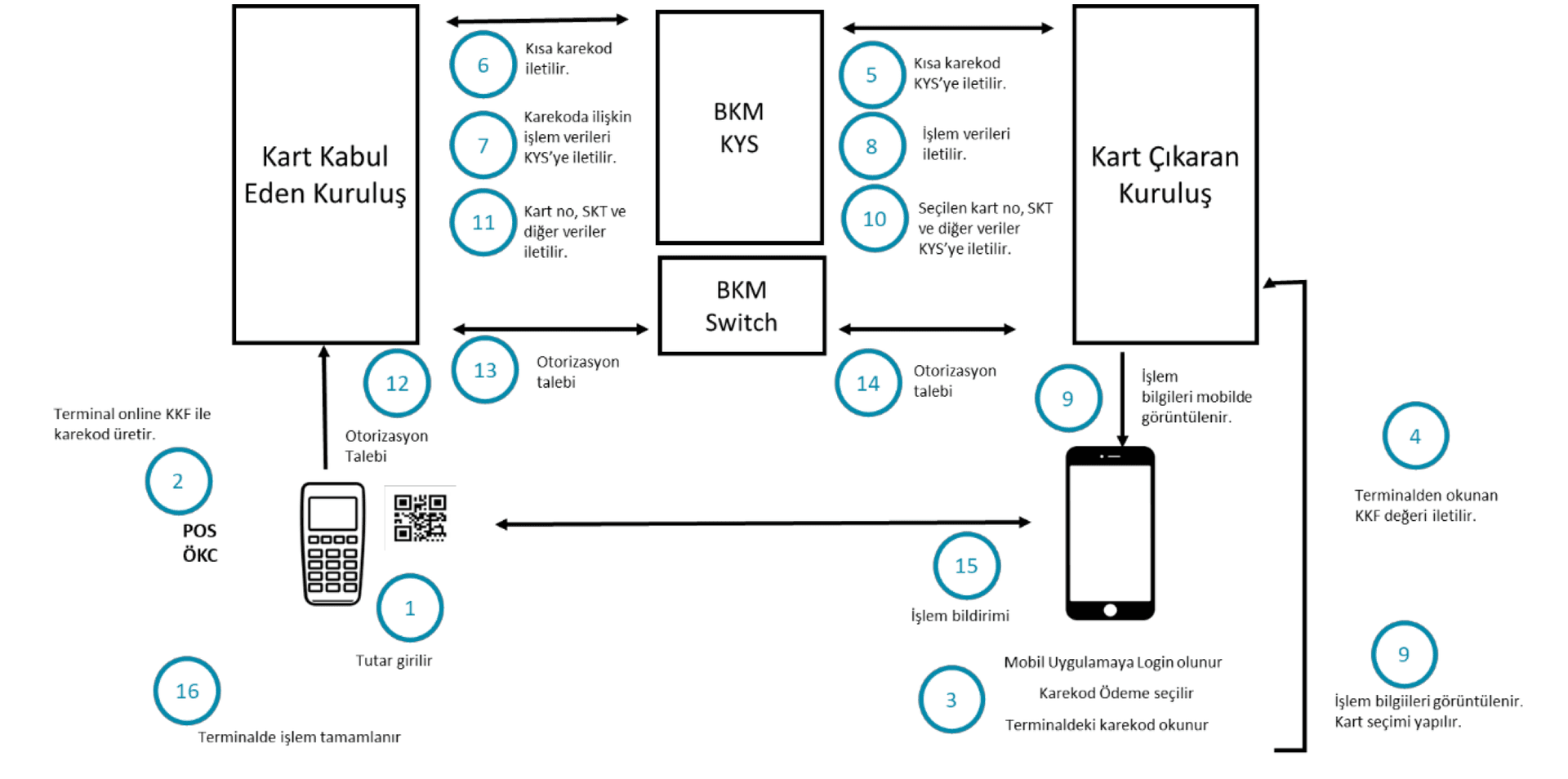
Diagram showing membership types for Visa and Mastercard card schemes

Credit Card

How Many Types of Membership Are There by Card Scheme?

Banks must go through a costly, arduous process to issue cards (issuer) and accept cards (acquirer), paying high entry fees to international license providers and local organizations such as BKM.

Diagram of the TR QR Code payment flow between cardholder, issuer, BKM and acquirer

Payment Systems

Why Am I Getting an Error When I Try to Pay with a TR QR Code?

In payment or cash withdrawal transactions, the TR QR Code is generated by the POS or ATM. The card issuing bank must build its systems to read and act on this code. Errors usually stem from mishandling the long and short QR code flows, which are explained here.

American Express chargeback reason codes list from the Chargeback and Exception Processing Guide

Chargeback

What Are the American Express Chargeback Reason Codes?

Chargeback reason codes vary by card scheme. The Amex chargeback reason codes and their descriptions are listed below: American Express Chargeback Reason Codes A01 The charge you submitted did not receive a valid authorization approval code for the amount...

Overview of card scheme organizations such as Troy, Visa and Mastercard

Laws & Regulations

What Is a Card Scheme Organization?

A card scheme organization establishes a debit, credit or prepaid card system and authorizes entities to issue cards or sign merchant agreements. Troy, Visa, Mastercard, American Express, JCB and MIR are examples. This post explains how ATM and POS certification works.

ISO 8583 field 19 acquiring institution country code

ISO 8583

ISO 8583 Field Descriptions (F19)

F19 — Acquiring Institution Country Code: the country to which the location of the acquiring bank's device (ATM, POS, etc.) belongs.

Diagram illustrating the EMV Tag-Length-Value (TLV) data structure used in card transactions

Online & Authorization

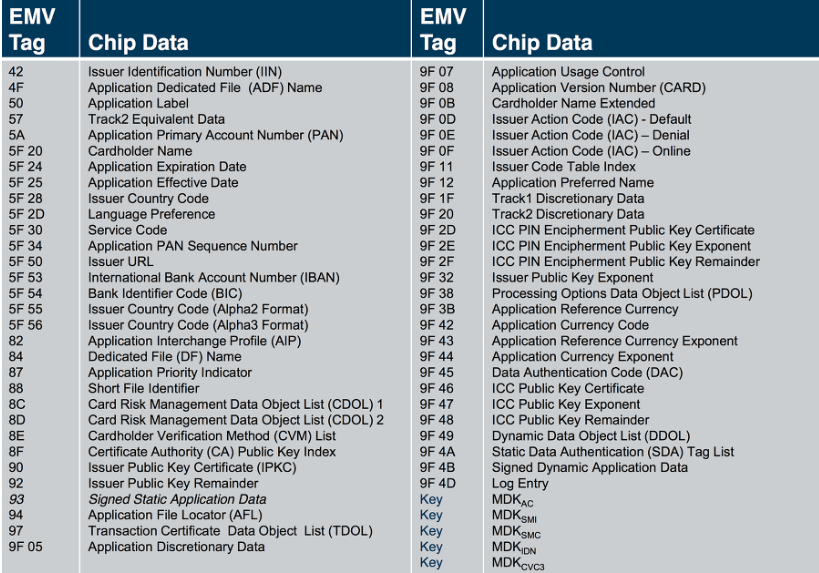
What are EMV Tags?

In EMV, data is stored in Tag-Length-Value (TLV) format, and it is carried between the card, the POS terminal, and the authorization system in this same format. This post lists every EMV Tag, its type, and its description.

Diagram showing an authorized card transaction that expires before reaching the clearing file

Credit Card

What does it mean for a card transaction to expire?

Due to how payment systems work, authorization is obtained for a transaction first. For a Not Onus transaction (different card and POS banks), the system waits for it to arrive via the clearing incoming file. If it does not arrive within about a week, the transaction expires.

Illustration of ChatGPT Instant Checkout and the Agentic Commerce Protocol

Online & Authorization

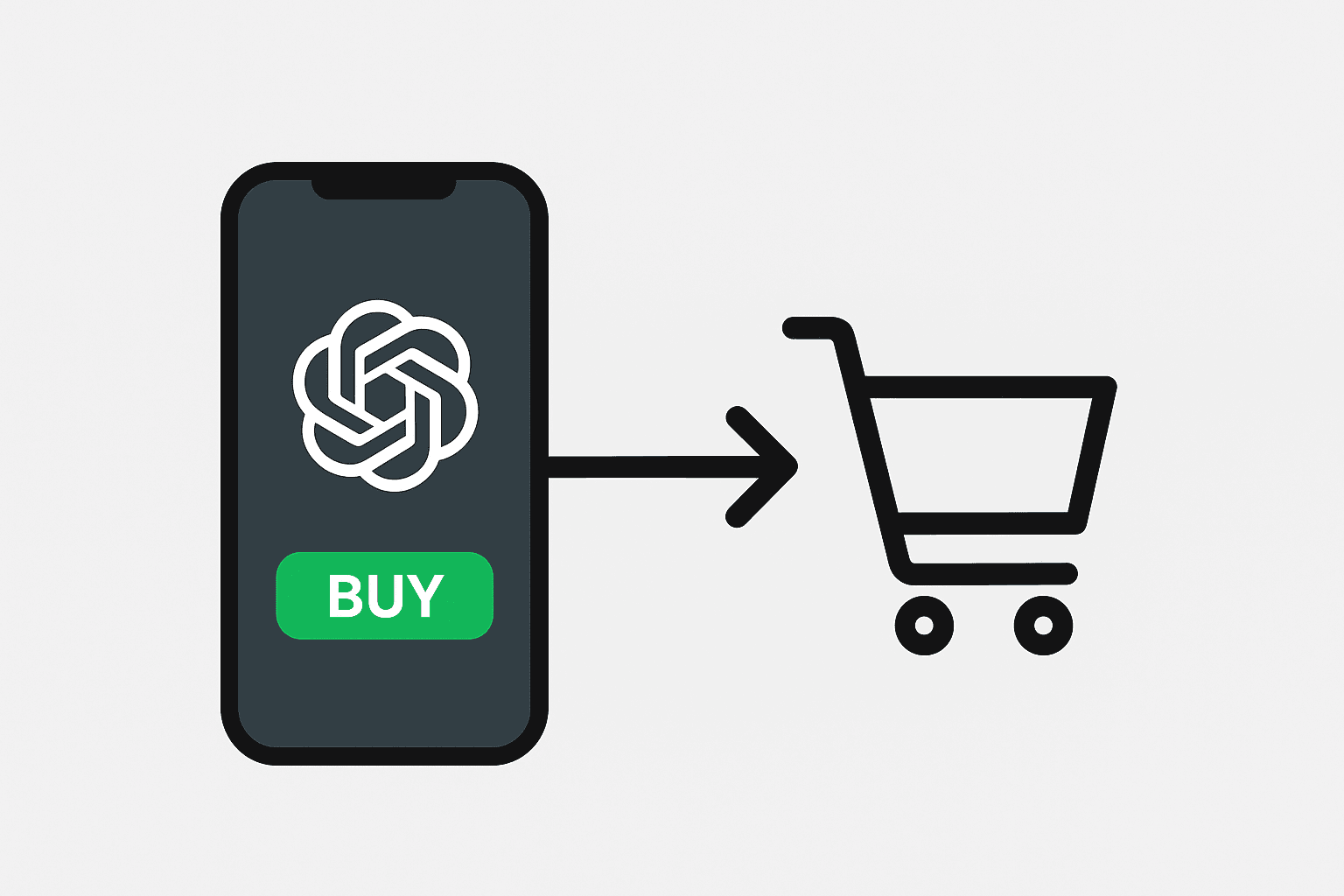
Shopping Directly from ChatGPT: A New Era with Agentic Commerce

OpenAI and Stripe announced the Agentic Commerce Protocol (ACP), with Instant Checkout live on Etsy and Shopify in the US. What this means for payment facilitators and e-commerce platforms, and what may come beyond one-click checkout.

Diagram of an Onus installment transaction flow between POS and HOST

Payment Systems

What are the key points in an Onus Installment project?

Before describing the Onus Installment process, it is better to first answer: what is an Onus transaction? An Onus transaction is when the acquirer and issuer are the same institution, so the transaction is processed through that institution.