Skip to content

Search

"bank account"

245 articles found

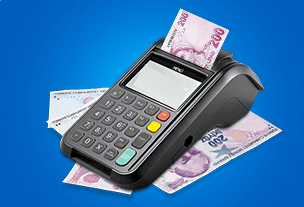
Diagram illustrating the early hold release process for merchants

Merchant & POS

What Is Early Hold Release?

Early Hold Release is a solution that allows merchants operating under a holdback arrangement to access their turnover held in the hold account when they need cash, before the holdback period ends. Merchants can work with banks under 3 different terms.
Logos of various international payment card schemes

Credit Card

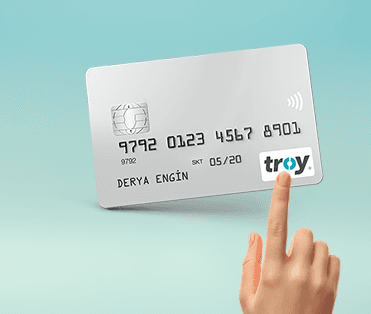
What Are National and International Payment Schemes?

In the world of payment systems, just as credit cards are an indispensable product, a payment scheme is indispensable for credit cards. When a credit card product is launched, the scheme it will be issued under is decided first.

Illustration of a stored value card with balance information stored on its magnetic stripe

Debit Card

What Is a Stored Value Card?

A stored value card is a widely used card type today. Instead of being held in a financial system, the monetary balance is stored directly on the card, which has a special magnetic stripe recording important financial data such as the balance.

Contactless payment being made with a card at a POS terminal

Online & Authorization

When Does a Contactless Transaction Post to the Account?

A contactless transaction is a fast, secure payment made without direct contact between the card and the POS terminal (without reading the chip or magnetic stripe). Can every card be used for contactless payments? For a transaction to be contactless…

Dictionary and glossary book representing payment systems terminology

Merchant & POS

Terms that should be in your payment systems glossary

Below are the definitions of the cornerstone terms of payment systems, as established by the Banks Association of Turkey (TBB): debit card, credit card, merchant, cardholder, and more.

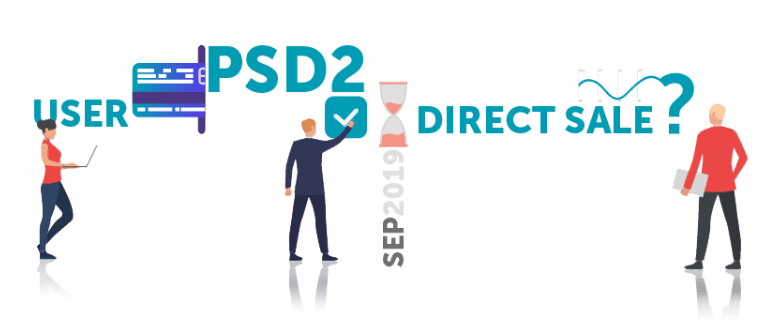
EU Payment Services Directive 2 PSD2

Merchant & POS

What Is the EU Payment Services Directive 2 (PSD2)?

The EU Payment Services Directive 2 (PSD2) is the EU's payment services law. ÖDED translated it into Turkish, creating an important handbook for anyone wanting to invest or work in this area.

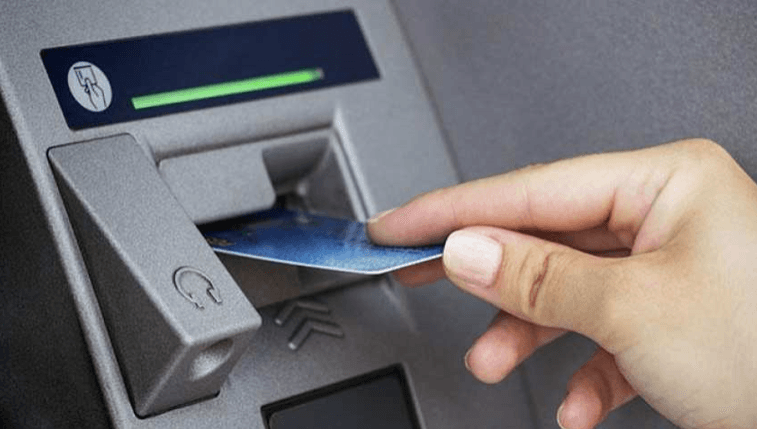
ATM machine card slot

ATM

Why Does an ATM Swallow Your Card?

ATMs make many banking transactions faster and easier, but like any electronic device they can run into trouble, including swallowing your card. Here is why it happens and what to do.

Shared ATM usage between different banks

ATM

What is a Shared ATM?

A shared ATM lets a customer of one bank use another bank's ATM for card or credit card transactions. Within customer limits, shared ATMs allow deposits, withdrawals, balance inquiries, and credit card debt inquiry/payment.

Diagram illustrating an Onus payment transaction between card and POS

Merchant & POS

What does Onus mean?

In the payment systems glossary, some terms are essential, including Onus. Onus literally means "on us" and refers to cases where the card-issuing bank and the POS/ATM bank are the same, meaning no clearing commission applies.

Illustration for the repeal of the regulation on payment institutions and e-money institutions

Payment Institutions & E-Money

Regulation on Payment Institutions and E-Money Institutions Repealed

The new regulation on payment services and e-money issuance, published on 1 December 2021, repealed the 2014 regulation on payment institutions and e-money institutions and the related information systems communiqué. This post summarizes the change and the Article 33 equity requirement.

ATM jackpotting attack illustration

ATM

What Is Jackpotting?

Jackpotting describes a method criminals use to steal money from ATMs. With physical access to the machine, they take control of it and make it dispense all of its cash.

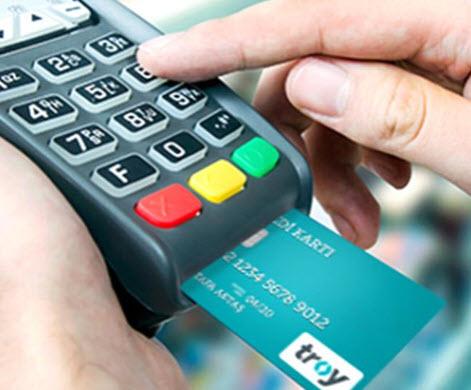
POS terminal used for a card payment transaction

Merchant & POS

What Is a Timeout in Payment Systems?

In the world of payment systems, both the issuer (the cardholder's bank) and the acquirer (the POS/ATM bank) must follow certain rules for card transactions made through a POS terminal or an ATM. Responding to transactions within a certain time is one of these rules.